18 Days Nar Phu Valley Mesokanto pass Trek Overview
Destination: Nepal
Trip Difficulty: Moderate
Trip Style: Trekking and Climbing
Transport: Public Vehicle & Tourist Bus
Food: Breakfast, Lunch & Dinner
Accommodation: Lodge & Camping
Group Size: 2-16
Max Elevation: 5320m
18 Days Nar Phu Valley Mesokanto pass Trek Highlights
1. Hidden Gem: Nar Phu Valley and Tilicho Lake trek unveil a hidden gem in the Annapurna region, offering an off-the-beaten-path adventure away from the conventional trekking routes.
2. Wildlife Haven: The Nar Phu Valley is a sanctuary for wildlife, including the elusive Snow Leopard and Himalayan Thar, making it a unique experience for nature enthusiasts.
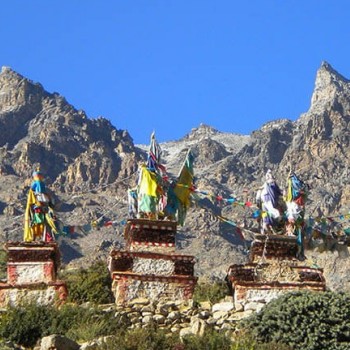
3. Cultural Immersion: Immerse yourself in the distinctive culture of Nar Phu, characterized by Bhote communities, ancient monasteries, and medieval villages, providing a glimpse into a lifestyle untouched by modernity.
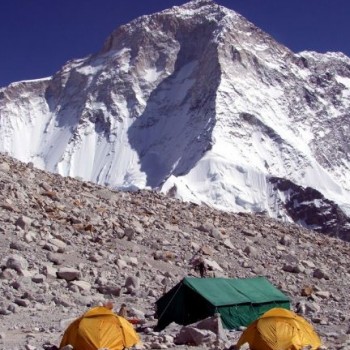
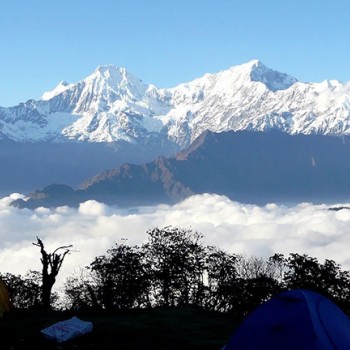
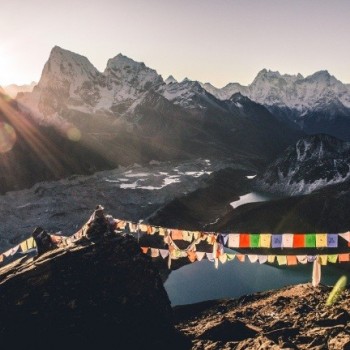
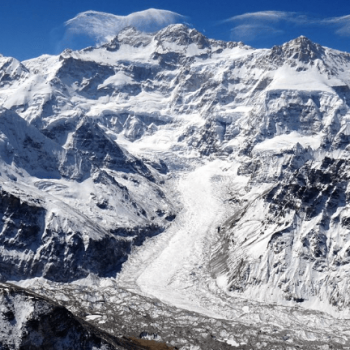
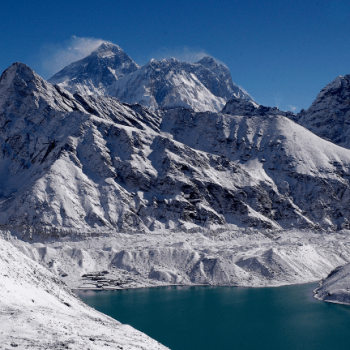
4. Majestic Views: The trek boasts mesmerizing views of majestic mountains, glaciers, and rock formations in the highlands, creating a picturesque backdrop for the entire journey.
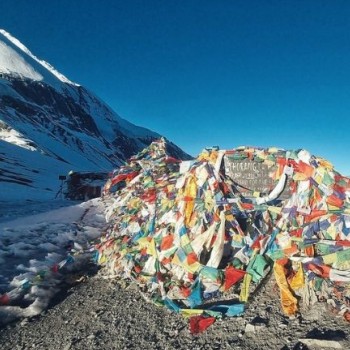
5. High-Altitude Challenges: Adventure seekers can conquer challenging high passes like Kang La, Meso Kanto, and the world's highest lake, Tilicho, offering a sense of accomplishment and exhilarating trekking experience.
6. Trans-Himalayan Terrain: The topography of Nar and Phu Valley resembles that of Tibet, providing a unique Trans-Himalayan trekking experience distinct from other parts of Nepal.
7. Remote Trails: Explore rugged and remote trails, leaving the main Annapurna Circuit Trekking route, and follow the best-kept secret path of Mesokanto La Pass, creating a sense of exploration and discovery.
8. Restricted Area Adventure: Navigate through a controlled area that was opened to trekkers only in the early 20s, requiring a Restricted Area Trekking Permit and adherence to Nepal's trekking regulations.
9. Combination Trekking: The trek can be combined with the renowned Annapurna Circuit Trekking, adding to its appeal for those seeking a comprehensive and diverse trekking experience.
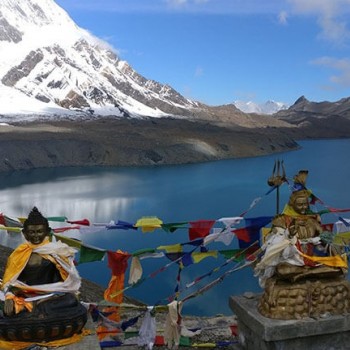
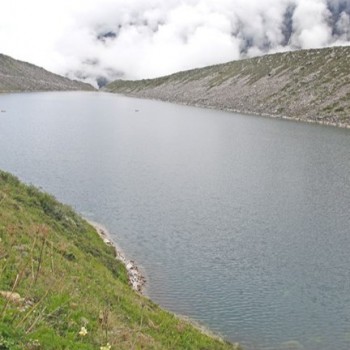
10. High-Altitude Lakes: Encounter the world's highest situated lake, Tilicho Lake at 5300m, and appreciate the pristine beauty of this remote and rugged landscape.
Introduction to 18 Days Nar Phu Valley Mesokanto pass Trek
The Nar Phu and Tilicho Lake Trek stands out as a remarkable off-the-beaten-path adventure in the Annapurna region. Delve into the hidden valley of Nar Phu, a haven for Snow Leopards and Himalayan Thars, opened to foreign visitors in 2003. This trek promises a unique cultural immersion in Nar Phu, unveiling medieval villages, ancient monasteries, and the distinct Bhote communities. Traverse challenging passes like Kang La and MesoKanto, relish breathtaking views of majestic mountains, and explore the world's highest lake, Tilicho. Embark on an exploration of untouched landscapes, where Tibetan villages echo the terrain of Tibet, making this trek an ideal adventure for those seeking the road less traveled. Ensure compliance with Nepal's trekking laws, requiring a Restricted Area Trekking Permit and organized trips through registered agencies. Experience the allure of the Nar Phu Valley, Mesokanto La Pass, and Tilicho Lake, a thrilling journey through rugged trails and unexplored territories, perfect for adventurous souls.
What to Expect
Cost Includes
- Airport Pickups and Drops
- Teahouse accommodation during the trek
- Three meals a day (Breakfast, Lunch, and Dinner) during the trek
- Tourist bus ticket Pokhara to Kathmandu
- Local Bus Jomsom to Pokhara
- Local bus ticket Kathmandu to Bhubhule
- Hotel accommodation in Pokhara with Breakfast (Twin Sharing)
- English Speaking Trekking Guide with Insurance, Transportation, Food and Accommodation
- All Trekking Permits (ACAP, TIMS Card, Nar Phu Special Permit)
- Daily seasonal fresh fruits after dinner
- A first aid kit carried by the guide (Oximeter to measure your oxygen and pulse in high altitude)
- All Government and Local taxes
Cost Excludes
- International Flight Ticket and Nepalese Visa Fee
- Hotel & Meals in Kathmandu
- Meals in Pokhara
- Extra night accommodation in Pokhara in case of early arrival, late departure, and early return from the trek (due to any reason) than the scheduled itinerary
- Personal expenses (WiFi, Phone calls, Laundry, Bar bills, Battery Recharge, Water, Shower, and Tea / Coffee)
- Other costs not mentioned in 'Cost Includes' section
- Travel and Rescue Insurance
- Tips for Guides, Porters, and Drivers
Optional
- Kathmandu To Bhulbhule Private Jeep USD 200$ Per Transfer
- Jomsom to Pokhara Flight USD 165$ Per Person
- Pokhara to Kathmandu Flight USD 106$ Per Person
- 3 Star Hotel in Kathmandu Twin Sharing on BB USD 60$ Per Night
Useful Information
The Nar Phu Valley, Tilicho Lake, and Mesokanto Pass trek is a challenging and rewarding trek in the Annapurna region of Nepal. Here's a brief overview:
1. Nar Phu Valley:
- Location: Located in the remote Manang district, it offers a less crowded trekking experience.
- Highlights: Unique Tibetan culture, ancient monasteries, traditional villages, and stunning landscapes.
2.Tilicho Lake:
- Location: Situated at an altitude of 4,919 meters, it's one of the highest lakes in the world.
- Highlights: Spectacular views of the surrounding mountains, including Tilicho Peak.
3.Mesokanto Pass:
- Elevation: Stands at around 5,100 meters.
- Highlights: Panoramic views of Annapurna, Dhaulagiri, and Nilgiri mountain ranges.
4.Trek Itinerary:
- Typically starts in Besi Sahar, passing through Jagat, Koto, and entering the Nar Phu Valley.
- Continues to Tilicho Base Camp, leading to the challenging ascent to Tilicho Lake.
- The trek then progresses towards the Mesokanto Pass, providing breathtaking views.
- Descends through Jomsom, Marpha, and finally reaching the popular trekking hub, Pokhara.
5.Permits:
- Requires a special permit for Nar Phu Valley, along with the Annapurna Conservation Area Permit (ACAP) and TIMS card.
6.Difficulty:
- Challenging due to high altitudes and the Mesokanto Pass crossing.
7.Best Time to Trek:
- Spring (March to May) and Autumn (September to November) for clear skies and pleasant weather.
8.Guides and Logistics:
- Recommended to hire a local guide for navigation and cultural insights.
- Ensure proper acclimatization and carry essential trekking gear.
Remember, this trek demands physical fitness and acclimatization to avoid altitude sickness. Always check the latest information and weather conditions before embarking on the journey.
FAQs
Nar-Phu Valley & Mesokanto Pass Trek – FAQs
1. What is the Nar-Phu Valley & Mesokanto Pass trek?
It’s a remote Himalayan trekking route in the Annapurna region of Nepal that explores the secluded Nar and Phu valleys, visits Tilicho Lake (one of the highest lakes in the world), and crosses high passes such as Mesokanto La (5,200–5,340 m) and Kang La (5,320 m).
2. Where does the trek start and end?
Typically, it starts with a drive from Kathmandu to Jagat/Dharapani/Koto, then trekking through the Nar-Phu Valley and over passes, and ends by descending to Jomsom and eventually to Pokhara or back to Kathmandu.
3. How long is the trek?
Most itineraries range from 14–19 days, depending on route choices (straight Nar-Phu, via Tilicho Lake & Mesokanto La, or returning via Jomsom).
4. What permits are required?
You must have:
Restricted Area Permit (RAP) for the Nar-Phu Valley.
Annapurna Conservation Area Permit (ACAP).
(Sometimes) TIMS card if combining with Annapurna Circuit.
Important: The RAP can only be arranged through a registered trekking agency and requires a licensed guide; independent trekkers cannot obtain it on their own.
5. How much do the permits cost?
Restricted Area Permit: typically, USD 75–100/week depending on season.
ACAP: around NPR 3,000 (USD 25–30).
TIMS (if needed): USD 10–20.
6. Do I need a guide and porter?
Yes — a licensed guide is mandatory for this restricted region. Porters are optional but recommended for heavy loads and support.
7. When is the best time to trek?
Spring (March–May) and Autumn (September–November) are ideal with stable weather and clear mountain views.
Monsoon (June–August) brings landslides and slippery trails.
Winter (Dec–Feb) is extremely cold with heavy snow at high passes.
8. How difficult is the trek?
This is an advanced trek:
High altitude (passes above 5,200 m)
Long trekking days
Some sections can be steep and remote
Good fitness and previous trekking experience are strongly recommended.
9. Is altitude sickness a risk?
Yes — altitude sickness (AMS) is a real concern above 4,000 m. Acclimatization days (e.g., at Phu or Manang) and slow ascent help reduce risk.
10. What kind of accommodation is available?
Lower and mid-sections: teahouses/lodges with basic rooms.
Remote areas (passes and isolated zones): camping may be necessary near Mesokanto La.
11. What food can I find on the route?
Standard trekking meals like Dal Bhat, noodles, soups, and rice dishes are common in teahouses. At higher camps, food is prepared by the support team.
12. Is drinking water available?
Yes, in villages and teahouses, but it’s advisable to purify water (tablets, filters) or carry a reusable bottle.
13. What gear should I carry?
Essentials include:
Sturdy trekking boots
Warm layers and waterproof jacket
Sleeping bag rated for cold
Trekking poles
Sun protection & headlamp
Water purification method
14. How much does the overall trek cost?
A guided trip (with permits, guide, food, accommodation) typically costs USD 1,200–1,800+ per person, depending on group size and services.
15. Is there mobile network or Wi-Fi?
Network is available in lower villages (NTC/NCELL), but very limited or none in remote parts of Nar-Phu and near the passes. Some teahouses offer paid Wi-Fi at lower elevations.
16. What are the highlights of the trek?
Hidden Tibetan-influenced villages (Nar & Phu)
High mountain passes (Mesokanto La & Kang La)
Tilicho Lake (4,919 m)
Panoramic views of Annapurna, Dhaulagiri and Manaslu ranges
Cultural and natural diversity
17. Can I customize the route?
Yes — you can discuss alternative exits or extensions (e.g., return via Thorong La or extend to Annapurna Circuit) with your trekking operator.
18. What's the weather like on the passes?
Conditions can change quickly with snow, strong winds, and low temps especially at >5,000 m. Proper gear and acclimatization are essential.
19. Is solo trekking allowed?
For foreigners, solo trekking is not allowed in the restricted Nar-Phu region — you must trek with a licensed guide and often with at least one other person in your group.
20. Can I do the trek independent of an agency?
No — due to the restricted nature, permits and entry require a registered agency
21. Are there safety services or evacuation options?
Guides usually carry emergency communication devices; in urgent cases, helicopter rescue is possible but expensive and dependent on weather.
22. How physically fit should I be?
High fitness is recommended — long ascents, descents, and high-altitude exertion require good endurance.
23. Is insurance required?
Travel and health insurance (covering high-altitude trekking & evacuation) is strongly recommended (and required by many agencies).
24. What wildlife or nature can I expect?
Expect Himalayan flora like rhododendrons, pine forests, yaks, and high-altitude fauna; wildlife sightings are possible but not guaranteed.
25. Can children do this trek?
This trek is usually not recommended for young children due to altitude, physical difficulty, and long walking days.
26. What languages do locals speak?
In Nar & Phu villages, people mainly speak local Tibeto-Burmese dialects and Nepali; English is limited outside tourist areas.






.png)