Useful Information
Lobuche Peak Overview
Peak Name: Lobuche East Peak
Height: 6,119 meters (20,073 ft)
Region: Khumbu, Everest region, Nepal
Type: Trekking Peak (suitable for first-time Himalayan climbers)
Climbing Difficulty: Moderate; requires physical fitness and basic mountaineering skills
Why Choose Lobuche Peak?
Accessible for beginners in Himalayan climbing
Shorter ascent compared to other trekking peaks
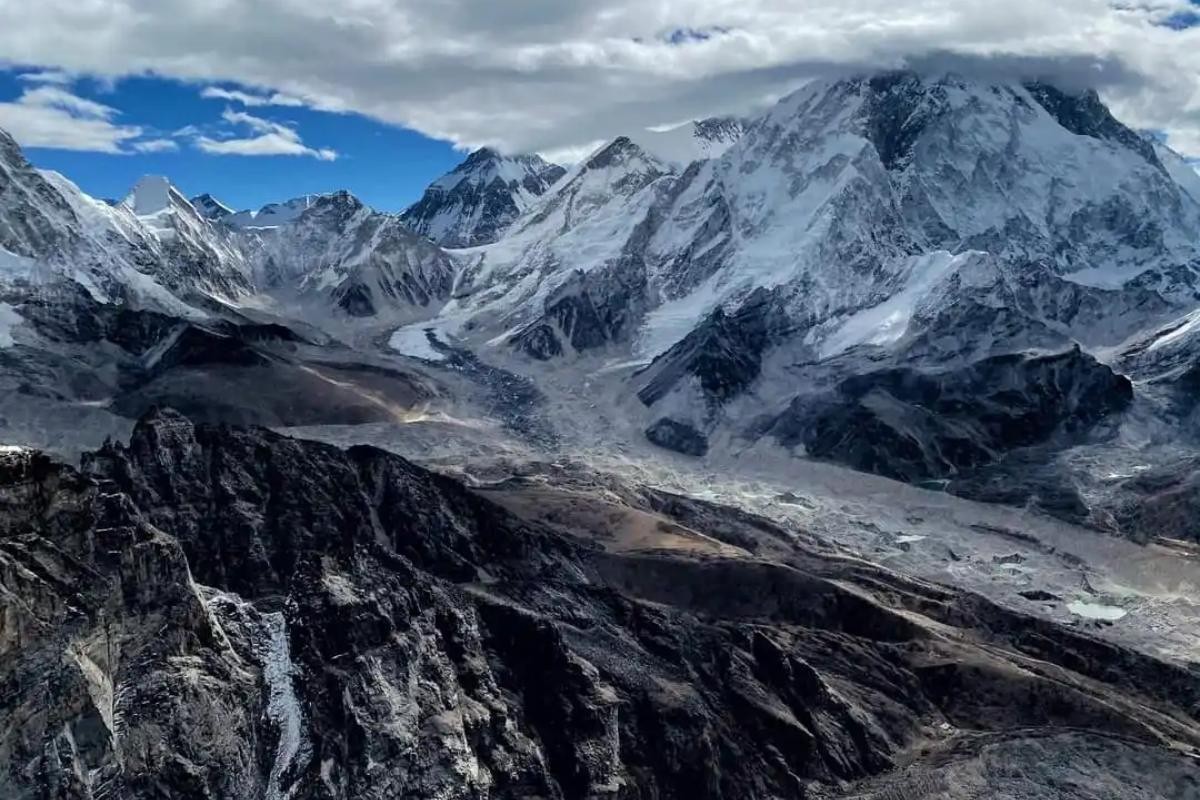
Panoramic summit views of Everest, Lhotse, Nuptse, Ama Dablam, Pumori, and Makalu
Combines trekking and mountaineering experience
Excellent acclimatization route along Everest Base Camp trail
Climbing Base Camp Service Highlights
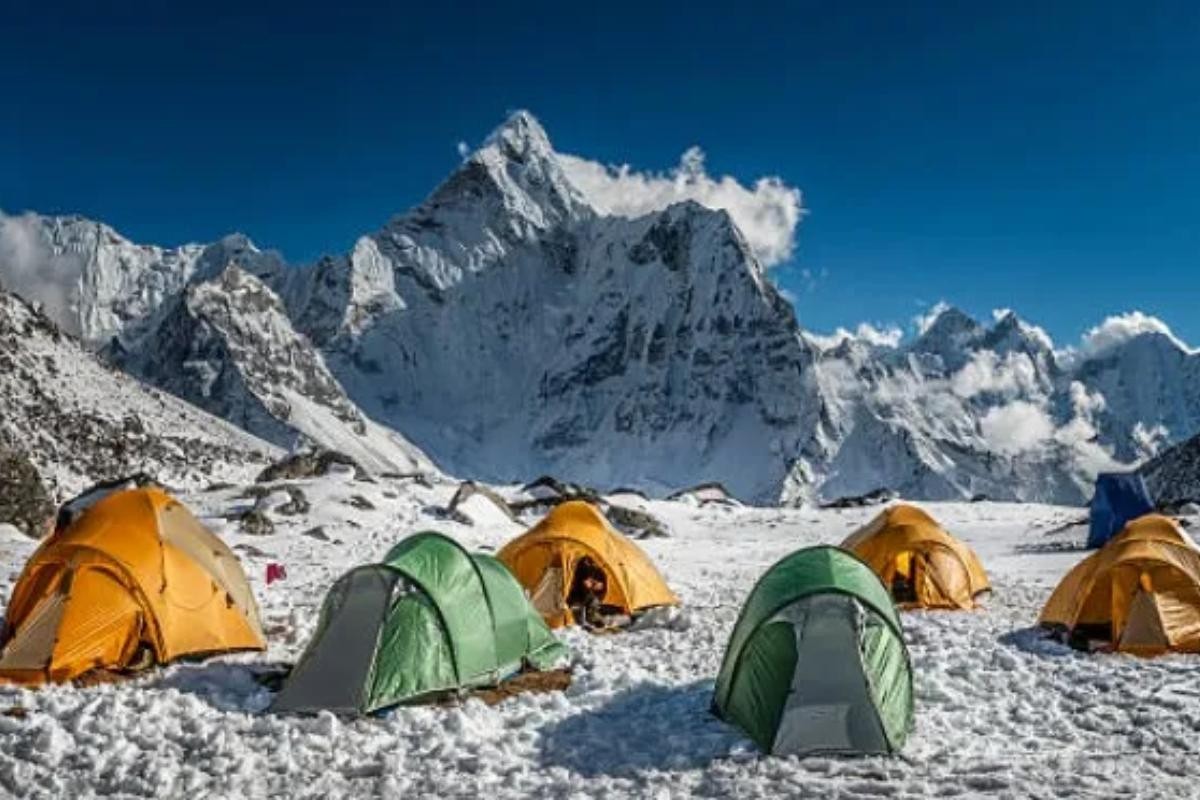
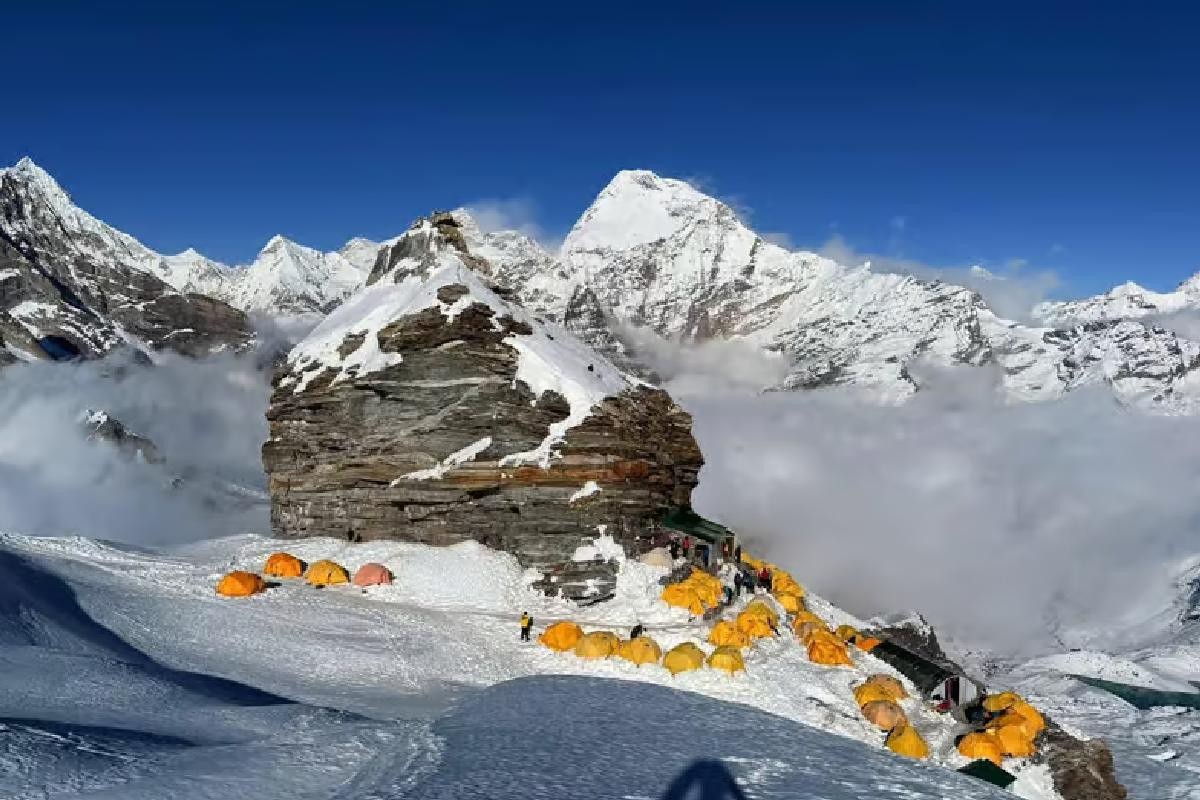
Base Camp Setup: Tents, kitchen, dining, toilets, mattresses (sleeping bag required)
Professional Sherpa Guides: Summit support, technical guidance, rope fixing
Technical Training: Use of crampons, ice axes, harnesses, ropes, carabiners, and ascenders
Safety Measures: Fixed ropes, weather checks, emergency oxygen, medical kit
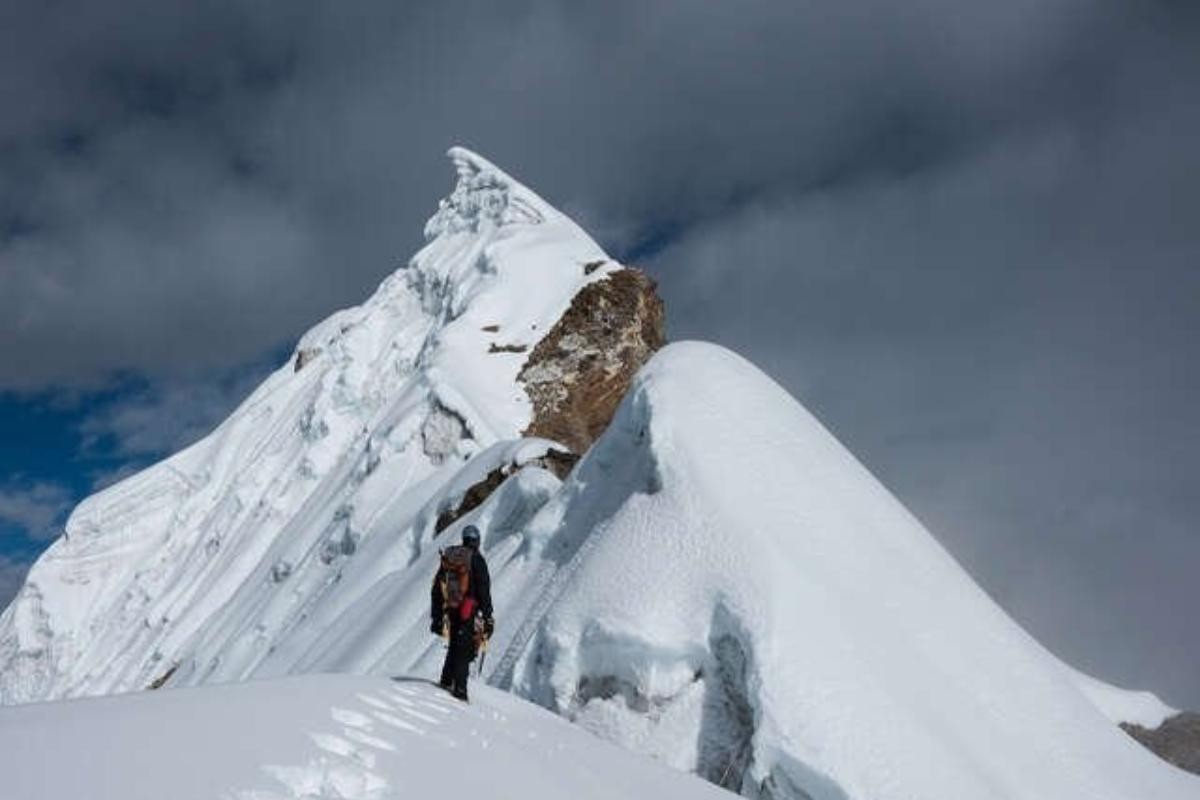
Summit Day: Early morning start, rugged trail with snow, boulders, and rope sections
Trek & Climb Route
Start: Lukla (flight from Kathmandu)
Key Stops: Phakding → Namche Bazaar → Tengboche → Dingboche → Lobuche → Lobuche Base Camp → Lobuche Summit
Option: Combine with Everest Base Camp & Kala Patthar trek
Return: Same route to Lukla for flight back to Kathmandu
Best Season
Package Services (Base Camp Support)
Climbing permit & liaison officer
Professional Sherpa guide for summit and technical support
Base Camp tents (sleeping/dining/kitchen/toilet)
Meals at Base Camp (breakfast, lunch, dinner, hot drinks)
Technical climbing gear for group use (fixed ropes, ice screws, etc.)
Medical kit & emergency oxygen
Exclusions
Personal climbing gear (boots, harness, crampons, helmet, ice axe)
Trekking logistics (guide/porter, food, lodge, permits for trekking)
Travel insurance (mandatory for rescue)
Personal expenses, tips, and extra accommodation
Key Benefits
Safe first Himalayan peak experience
Professional support for a successful summit
Stunning Himalayan panoramas
Combination of trekking and mountaineering
Lobuche Peak Climbing – Frequently Asked Questions (FAQ)
- What is the height of Lobuche East Peak?
Lobuche East is 6,119 meters (20,075 feet) above sea level.
2. Where is Lobuche Peak located?
Lobuche East is located in the Khumbu/Everest region of Nepal, along the Everest Base Camp trekking route.
3. Is Lobuche Peak difficult to climb?
Yes. Lobuche East is a Normal technical trekking peak involving steep snow/ice sections, fixed ropes and an exposed summit ridge. Good physical fitness and basic climbing skills are important.
4. Do I need previous climbing experience?
Previous climbing experience is an advantage but is not always essential for a guided climb. You should be comfortable with long trekking days and high altitude. Proper training in crampon, and fixed-rope techniques should be completed before the summit attempt.
5. Do I need mountaineering training?
Yes, basic technical training is highly recommended. Training normally covers crampon walking, fixed-rope climbing, jumar/ascender use and rappelling.
6. What is the best season for Lobuche Peak climbing?
The main climbing seasons are spring (April–May) and autumn (October–November), when weather and mountain conditions are generally more suitable.
7. How long does Lobuche Peak climbing take?
A typical itinerary from Kathmandu takes around 15–18 days, depending on whether Everest Base Camp, Kala Patthar, acclimatization days and contingency days are included.
8. What is the standard route?
The usual approach follows the Everest trail through Lukla, Phakding, Namche, Tengboche, Dingboche, Lobuche, followed by Lobuche High Camp and the summit via the Southeast Ridge.
9. What is the altitude of Lobuche High Camp?
High-camp locations vary by route and season, but are generally around 5,400–5,600 m.
10. How long does summit day take?
The summit push can take approximately 6–10+ hours, depending on weather, snow conditions, acclimatization and the climber's pace. Some itineraries allow additional time for descent.
11. What time do we start climbing on summit day?
Most teams start very early, commonly around 2:00–3:00 AM, to take advantage of the more stable morning conditions and allow sufficient time for the ascent and descent.
12. What climbing equipment is required?
Typical equipment includes:
- Mountaineering boots
- Crampons
- Climbing harness
- Helmet
- Jumar/ascender
- Descender/belay device
- Carabiners
- Climbing rope
- Warm down clothing
- Four-season sleeping bag
13. Are fixed ropes used on Lobuche Peak?
Yes. Fixed ropes are used on technical sections of the climbing route, particularly on steep snow and ice terrain.
14. Do I need a climbing guide?
A qualified Mount Mania climbing guide is strongly recommended because of the technical terrain, altitude and fixed-rope sections.
15. Can beginners climb Lobuche Peak?
Fit and well-prepared trekkers can attempt Lobuche East with appropriate acclimatization and professional guidance, but it should not be treated as an ordinary trekking route. The summit involves genuine alpine climbing skills.
16. How should I prepare physically?
Start training at least 2–3 months before departure. Focus on:
- Long-distance walking
- Uphill hiking
- Stair climbing
- Cardio/endurance
- Leg and core strength
- Training with a backpack
17. Is acclimatization important?
Yes. Acclimatization is essential because the summit is above 6,000 m. A properly designed itinerary should include gradual altitude gain and acclimatization days.
18. Can Lobuche Peak be combined with Everest Base Camp?
Yes. Many itineraries combine Everest Base Camp, Kala Patthar and Lobuche East, allowing climbers to experience both the classic Khumbu trek and a 6,000-meter summit.
19. What mountains can be seen from the summit?
On a clear day, climbers can enjoy spectacular views of Mount Everest, Lhotse, Nuptse, Makalu, Pumori, Ama Dablam and surrounding Himalayan peaks.
20. Is travel insurance required?
Yes. Climbers should have travel insurance that specifically covers high-altitude trekking/climbing and emergency helicopter evacuation, according to the requirements of their trip and insurer.
21. What permits are required?
Lobuche East climbing requires the applicable Nepal Mountaineering Association climbing permit, along with the required trekking/conservation-area permissions and local fees. Permit fees can change by season, so the current amount should be confirmed before departure.
22. Where do we sleep during the climbing section?
Tea houses are generally used during the trekking section. Tented accommodation is used at the high camp, depending on the itinerary and current mountain conditions.
23. What happens if the weather is bad on summit day?
A contingency day is recommended because weather and mountain conditions can change quickly. The final summit decision should be made by the climbing guide based on weather, route and safety conditions.
24. Is Lobuche East the same as Lobuche West?
No. Lobuche East (6,119 m) and Lobuche West (6,145 m) are separate summits with different climbing characteristics.
25. Why choose Lobuche Peak climbing?
Lobuche East offers a combination of Everest-region trekking, high-altitude acclimatization and technical mountaineering, making it an attractive objective for climbers who want to progress from trekking toward Himalayan peak climbing.
FAQs
General Information
1. Where is Lobuche Peak Base Camp located?
Lobuche Peak Base Camp is located in Nepal’s Everest region at an elevation of approximately 4,950 meters (16,240 feet), within Sagarmatha National Park.
2. How do I reach Lobuche Peak Base Camp?
The Base Camp is reached by trekking from Lukla via Namche Bazaar, Dingboche, and Lobuche village.
3. Is Lobuche Peak a trekking peak or a technical peak?
Lobuche Peak is classified as a technical trekking peak and requires basic mountaineering skills.
4. Is Lobuche Peak Base Camp included in climbing itineraries?
Yes, staying at Lobuche Peak Base Camp is a standard part of most climbing itineraries.
5. Do I need permits to access Lobuche Peak Base Camp?
Yes, climbers require a Nepal Mountaineering Association (NMA) climbing permit and Sagarmatha National Park entry permit.
Accommodation & Meals
6. What type of accommodation is available at Lobuche Peak Base Camp?
Accommodation at Base Camp is fully tented, arranged and managed by the expedition team.
7. Are teahouses available at Lobuche Peak Base Camp?
No, teahouses are only available up to Lobuche village. Base Camp accommodation is camping only.
8. What meals are provided at Base Camp?
Nutritious, high-energy meals such as rice, pasta, lentils, soups, potatoes, vegetables, and hot drinks are provided.
9. Is vegetarian food available at Base Camp?
Yes, vegetarian meals are readily available and recommended at high altitude.
10. Is drinking water available at Base Camp?
Water is available but must be boiled or purified before drinking.
Guides, Porters & Support Staff
11. Are professional guides provided for Lobuche Peak Base Camp?
Yes, experienced and licensed trekking and climbing guides accompany all climbers.
12. Is a climbing guide mandatory for Lobuche Peak?
Yes, a certified climbing guide is required for safety and summit success.
13. Are porters included in the Base Camp service?
Yes, porters or yaks are provided to carry personal and group equipment.
14. What is the porter weight limit?
Each porter typically carries 20–25 kg, in accordance with safety regulations.
Equipment & Gear
15. Is climbing equipment provided at Base Camp?
Yes, group climbing equipment such as tents, ropes, ice screws, and cooking gear is provided.
16. Do climbers need to bring personal climbing gear?
Yes, climbers must bring personal gear including boots, harness, helmet, crampons, and ice axe.
17. Can climbing gear be rented in Nepal?
Yes, quality climbing gear can be rented or purchased in Kathmandu.
Safety, Health & Emergency
18. Is altitude sickness a concern at Lobuche Peak Base Camp?
Yes, due to high altitude, proper acclimatization is essential.
19. Are acclimatization days included in the itinerary?
Yes, itineraries are designed with adequate acclimatization days.
20. Is first aid available at Base Camp?
Yes, guides carry basic first aid kits and emergency medical supplies.
21. Is emergency evacuation available?
Yes, helicopter evacuation is available in emergencies (travel insurance required).
Communication & Facilities
22. Is mobile network available at Lobuche Peak Base Camp?
Mobile coverage is limited or unavailable at Base Camp.
23. Is Wi-Fi available at Base Camp?
Wi-Fi is not available at Base Camp; limited Wi-Fi may be found in lower villages.
24. Can electronic devices be charged at Base Camp?
Charging facilities are generally available up to Lobuche village, but not at Base Camp.
Best Time & Weather
25. What is the best season to visit Lobuche Peak Base Camp?
The best seasons are spring (March–May) and autumn (September–November).
26. How cold does it get at Base Camp?
Night temperatures can drop to –10°C to –20°C, depending on the season.
27. Is Lobuche Peak Base Camp accessible in winter?
Yes, but winter conditions are extremely cold and challenging and suitable only for experienced climbers.
Costs, Insurance & Logistics
28. Are Base Camp services included in Lobuche Peak climbing packages?
Yes, most packages include tents, meals, guides, porters, and Base Camp logistics.
29. Is travel insurance required?
Yes, insurance covering high-altitude trekking and helicopter rescue is mandatory.
30. How long do climbers stay at Lobuche Peak Base Camp?
Most climbers stay 1–2 nights, depending on weather and acclimatization.
Environmental & Responsible Travel
31. Is Lobuche Peak Base Camp located in a protected area?
Yes, it lies within Sagarmatha National Park, a UNESCO World Heritage Site.
32. Are eco-friendly practices followed at Base Camp?
Yes, all expeditions follow Leave No Trace and sustainable tourism practices.
33. How is waste managed at Base Camp?
All waste is collected and carried back by the expedition staff.