16 Days Sherang Gumba Manaslu Circuit Trek Overview
Destination: Nepal
Trip Difficulty: Moderate
Trip Style: Trekking
Transport: Public Vehicle
Food: Breakfast, Lunch & Dinner
Accommodation: Teahouse or Lodge
Group Size: 2 - 16
Max Elevation: Larkya La Pass (5106m)
16 Days Sherang Gumba Manaslu Circuit Trek Highlights
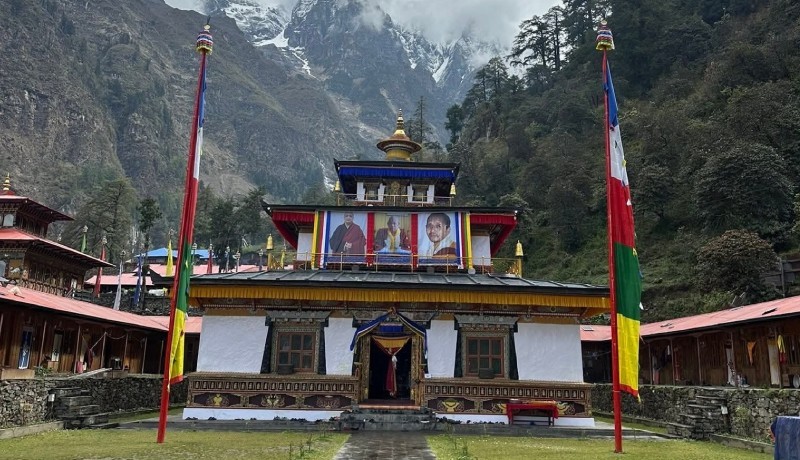
- Ancient Buddhist monastery founded over 500 years ago by Guru Chokyi Gyaltsen
- Located at 3,100 meters in the remote Manaslu region, surrounded by pristine Himalayan landscapes
- One of the most spiritually significant monasteries along the Manaslu Circuit Trek
- Peaceful atmosphere filled with monk chanting, prayer flags, incense, and meditation halls
- Opportunity to stay overnight inside the monastery and experience authentic monastic life
- Daily Buddhist prayers, puja, and meditation sessions open to visitors
- Deep insight into Tibetan Buddhist culture, rituals, and philosophy
- Stunning views of Ganesh Himal, Shringi Himal, and surrounding snow-capped peaks
- Beautiful Mani walls, chortens, Thangkas, ancient scriptures, and Buddha statues
- Less crowded and untouched by mass tourism, offering true tranquility and solitude
- Warm hospitality from resident monks and local community
- Ideal destination for spiritual seekers, photographers, and peace-loving trekkers
Introduction to 16 Days Sherang Gumba Manaslu Circuit Trek
Introduction to Sherang Gumba Manaslu Circuit Trek
The Manaslu Circuit Trek with Sherang Gompa Stay is one of Nepal’s most rewarding and less-crowded Himalayan adventures. Renowned for its raw beauty, remoteness, and authentic cultural experiences, the Manaslu region has quickly become a favorite among trekkers seeking something truly special.
While the Manaslu Circuit itself is spectacular, many trekkers unknowingly miss one of its greatest hidden treasures—Sherang Gumba (Serang Monastery). This sacred Buddhist monastery adds a rare spiritual dimension to the trek, offering deep cultural immersion and peaceful reflection amid the Himalayas.
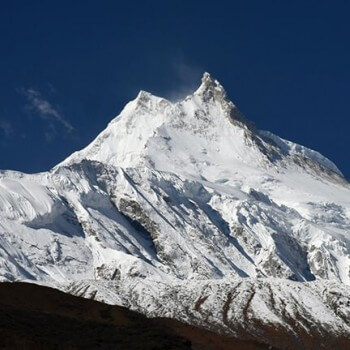
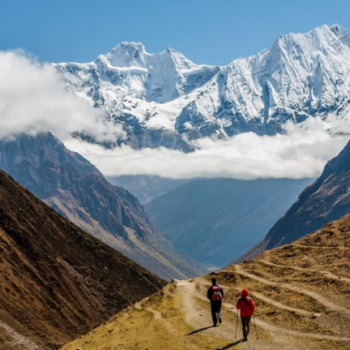
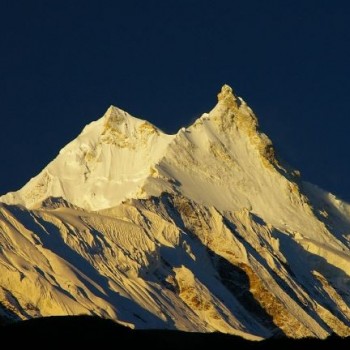
This 16-day journey blends dramatic mountain scenery, pristine trails, ancient villages, and meaningful encounters with Tibetan Buddhist traditions. Trekking beneath Mt. Manaslu (8,163 m)—the world’s eighth-highest mountain—you’ll cross rivers, forests, and historic settlements before conquering the iconic Larkya La Pass (5,106 m), one of the most scenic high passes in Nepal.
A highlight of this trek is the overnight stay at Serang Gompa (3,100 m), where trekkers experience monastic life, meditation, and the profound calm of the Himalayan Buddhist world.
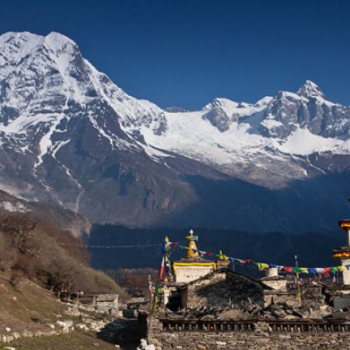
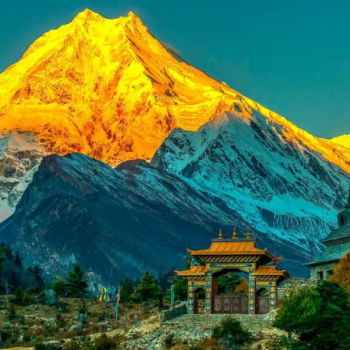
Nestled at an elevation of 3,100 meters, Serang Gompa lies in a secluded valley of the Manaslu region, surrounded by towering peaks, dense forests, and rushing mountain rivers. Reached via a rewarding side trail from the Manaslu Circuit near Deng and Bihi, the ascent offers breathtaking Himalayan panoramas.
Founded over 500 years ago by the great Buddhist master Guru Chokyi Gyaltsen, Serang Gompa is an important center of Tibetan Buddhism. The monastery continues to function as a place of learning, meditation, and daily worship for resident monks who follow ancient traditions.
The architecture is simple yet deeply captivating—stone walls, wooden carvings, colorful prayer flags, sacred murals, ancient scriptures, and golden Buddha statues fill the monastery with spiritual energy. Visitors often hear the rhythmic chanting of monks and feel an overwhelming sense of peace and clarity.
Festivals such as Losar (Tibetan New Year) are celebrated with vibrant rituals, prayers, and traditional dances, making Serang Gompa a truly special destination for spiritual seekers and nature lovers alike.
Your journey begins with a scenic drive from Kathmandu through Dhading, terraced farmlands, rivers, and rural villages. Passing Arughat and Soti Khola, the road follows the Budhi Gandaki River to reach Machha Khola. Overnight at a local lodge.
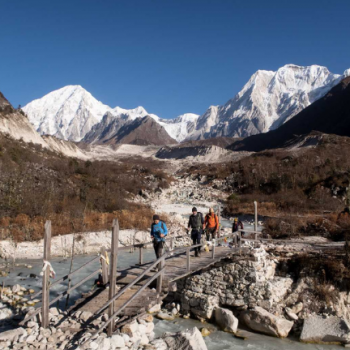
Today’s trek follows narrow trails along the Budhi Gandaki River, crossing suspension bridges and passing waterfalls and small settlements. The landscape gradually becomes more rugged as you reach Jagat, the official entry point of the Manaslu Restricted Area.
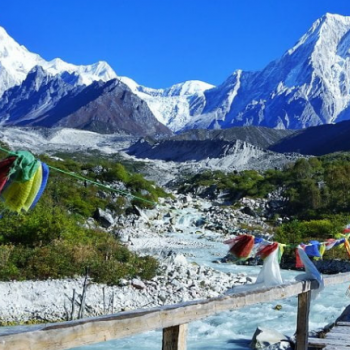
After permit checks, the trail enters the Tibetan-influenced region. You’ll pass Mani walls, prayer flags, and stone villages while climbing gradually through forests and river valleys. Deng Village welcomes you with a strong Himalayan cultural atmosphere.
A shorter and relaxing trekking day. The trail winds through bamboo and rhododendron forests, crossing rivers and traditional villages. Bihi is a peaceful Tibetan settlement with stone houses and cultivated fields.
A special day as you leave the main Manaslu Circuit route and ascend toward the sacred Serang Gompa. The climb rewards you with stunning views and a deeply peaceful environment. Upon arrival, experience monastery life, evening prayers, and a spiritual overnight stay inside the monastery.
After morning prayers at the monastery, descend through quiet forests and remote trails. Rejoin the main Manaslu Circuit route at Ghap Village, surrounded by prayer wheels, Mani walls, and mountain scenery.
The trail climbs steadily through pine and fir forests, passing traditional Tibetan villages. Lho offers spectacular views of Mt. Manaslu and is home to the beautiful Ribung Gompa. Overnight in Lho.
Today’s trek offers panoramic Himalayan views. Reach Shyala, one of the most scenic villages on the trek, surrounded by glaciers and peaks. Visit Pungyen Gompa, located beneath the massive Manaslu Glacier.
A pleasant walk across wide valleys and yak pastures leads to Samagaon, the largest village in the region. Explore Birendra Lake, a beautiful glacial lake near Manaslu Glacier.
A crucial acclimatization day with a side hike to Manaslu Base Camp. Enjoy breathtaking views of Manaslu, glaciers, and surrounding peaks before returning to Samagaon for the night.
A short trek through alpine terrain brings you to Samdo, a high-altitude village near the Tibetan border. The area reflects strong Tibetan culture and offers dramatic mountain scenery.
Another acclimatization day with a challenging hike toward the Tibetan border. This side trip offers incredible views of Himlung Himal and nearby glaciers, helping your body prepare for the high pass.
A gradual ascent leads to Dharamsala, the base camp for Larkya La Pass. Rest early and prepare for the most challenging day of the trek.
An early start for the dramatic crossing of Larkya La Pass, the highest point of the trek. Enjoy breathtaking views of Himlung Himal, Cheo Himal, Kang Guru, and Annapurna II. Descend carefully to Bimthang for a well-earned rest.
Descend through alpine meadows, rhododendron forests, and villages as the landscape gradually changes. Reach Tilje, marking your entry into the Annapurna region.
Drive through the Marsyangdi Valley to Besisahar and onward to Kathmandu or Pokhara. The trek concludes with unforgettable memories of the Manaslu region and Serang Gompa.
What to Expect
Cost Includes
- Airport Pickup and Drop
- Teahouse accommodation during the trek
- Three meals a day (Breakfast, Lunch, and Dinner) during the trek
- Local Bus Ticket (Kathmandu to Soti Khola)
- Local Bus Ticket (Dharapani to Kathmandu)
- English Speaking Trekking Guide with Insurance, Transportation, Food and Accommodation
- Use of sleeping bag & Duffel bag (if you don’t have your own, To be return after trip completed)
- All Trekking Permits (ACAP, MCAP and Manaslu Special Permit)
- Daily seasonal fresh fruits after dinner
- A first aid kit carried by the guide (Oximeter to measure your oxygen and pulse in high altitude)
- All Government and Local taxes
Cost Excludes
- International Flight Ticket and Nepalese Visa Fee
- Hotel & Meals in Kathmandu
- Extra night accommodation in case of early arrival, late departure, and early return from the trek (due to any reason) than the scheduled itinerary
- Personal expenses (WiFi, Phone calls, Laundry, Bar bills, Battery Recharge, Water, Shower, and Tea / Coffee)
- Other costs not mentioned in 'Cost Includes' section
- Travel and Rescue Insurance
- Tips for Guides, Porters, and Drivers
Useful Information
Why Book Sherang Gumba Manaslu Circuit Trek with Mount Mania
Expert Local Knowledge & Experience
Specialized Manaslu expertise: Mount Mania has deep experience operating treks in the Manaslu Conservation Area, including the less-traveled Sherang Gumba route. This specialized knowledge ensures proper planning, permits, and navigation through this restricted area that requires special trekking permits.
Professional guide team: Mount Mania employs experienced, government-licensed guides who are trained in high-altitude first aid, speak English fluently, and have intimate knowledge of the Manaslu region's terrain, culture, and seasonal conditions.
Safety & Logistics
Comprehensive safety protocols: The company provides proper acclimatization schedules, emergency evacuation plans, and carries necessary medical equipment. Their guides are trained to recognize altitude sickness symptoms early.
All permits handled: Mount Mania manages the complex permit process (Manaslu Restricted Area Permit, Manaslu Conservation Area Permit, and Annapurna Conservation Area Permit), saving you bureaucratic hassle.
Quality equipment and accommodation: They arrange reliable teahouse accommodations along the route and can provide quality trekking gear if needed.
Cultural Authenticity
Sherang Gumba monastery experience: Mount Mania's itinerary specifically includes time at Sherang Gumba (monastery), offering authentic cultural immersion with Buddhist monks and insight into local spiritual practices—something rushed itineraries often skip.
Community connections: Their established relationships with local communities ensure authentic interactions and that your trekking fees benefit local economies directly.
Value & Reliability
Transparent pricing: Clear breakdown of what's included (guides, porters, permits, meals, accommodation) with no hidden costs.
Small group guarantee: They typically maintain small group sizes for personalized attention and minimal environmental impact.
Flexibility: Experienced operators can adjust itineraries if weather or health issues arise, ensuring both safety and maximum experience.
Porter welfare: Reputable companies like Mount Mania follow ethical porter treatment guidelines, providing proper equipment, insurance, and fair wages.
Dutch Trekker Specific Benefits
Direct communication: Good English communication for booking, planning, and during the trek itself.
Sustainability focus: Alignment with Dutch environmental values through responsible trekking practices and community support.
Reliability: Dutch travelers value dependability—established companies have track records and accountability.
Booking with an experienced local operator like Mount Mania transforms the Manaslu Circuit from a logistical challenge into a well-supported adventure, allowing you to focus on the experience rather than worrying about permits, navigation, or safety concerns.
Sherang Gumba Manaslu Circuit Trek Difficulty
The total length of the Manaslu Circuit trek is around 177 kilometers. You will be trekking for 10 days covering a distance of 15-20 kilometers every day.
Another factor that determines the difficulty of this trek is the uphills and downhills you will encounter along the way. Many times as you trek along the Budhi Gandaki river, the trek can be harrowingly steep. The trek up to Larkya La Pass is also quite challenging.
Guide on Manalsu Circuit Trek Difficulty
Manaslu Circuit Trek takes you to the highest altitude of 5,213 meters in Larkya La Pass. The altitude is high enough to incite altitude sickness. The trails also can get quite breezy making the trails quite cold.
Taking all of these things into consideration, the Manaslu Circuit Trek is a strenuous trek. As a result, you will have to be quite fit in order to complete this trek. 2-3 months of physical preparation will be necessary for you to complete this trek.
Best Time for Sherang Gumba Manaslu Circuit Trek
Spring (March to May) - EXCELLENT
Peak season advantages:
- Clear mountain views: Stable weather provides outstanding visibility of Manaslu (8,163m) and surrounding peaks
- Rhododendron blooms: Lower elevation forests burst with colorful rhododendron flowers (March-April), creating stunning landscapes
- Moderate temperatures: Daytime temperatures are comfortable for trekking (10-20°C at mid-elevations)
- Sherang Gumba accessibility: The monastery is fully accessible with monks in residence for authentic cultural experiences
- Dry trails: Minimal precipitation makes for safer, more pleasant walking conditions
Autumn (September to November) - BEST
Prime trekking season:
- Crystal-clear skies: Post-monsoon air offers the clearest mountain panoramas of the year
- Stable weather: Minimal rainfall and consistent conditions, ideal for crossing Larkya La Pass (5,160m)
- Comfortable temperatures: Pleasant daytime hiking (15-20°C at mid-elevations), though mornings/evenings are cold at high altitude
- Harvest season: Experience local culture during rice and millet harvests in lower villages
- Festival season: Possibility of witnessing Dashain or Tihar festivals (October-November)
- Reliable trail conditions: Dry, well-maintained paths after monsoon clearing
October is considered the single best month for this trek—perfect weather, excellent visibility, and vibrant cultural experiences.
Seasons to Avoid or Approach with Caution
Winter (December to February) - CHALLENGING
Difficulties:
- Extreme cold: Temperatures drop drastically, especially at Larkya La Pass (-20°C or lower)
- Heavy snowfall: High passes may become impassable or dangerous
- Teahouse closures: Many lodges close for winter, limiting accommodation options
- Sherang Gumba: Monastery may have reduced activity as some monks move to lower elevations
- Shorter days: Limited daylight hours for trekking
Only for experienced winter trekkers with proper equipment and flexible schedules.
Monsoon (June to August) - NOT RECOMMENDED
Challenges:
- Heavy rainfall: Daily downpours make trails muddy, slippery, and potentially dangerous
- Leeches: Abundant in lower forest sections
- Obscured views: Clouds and fog hide mountain vistas
- Landslide risk: Higher danger on narrow trail sections
- Difficult river crossings: Swollen rivers can be hazardous
- Limited teahouse services: Some lodges operate minimally or close
Not advisable unless you have very specific reasons and accept significantly compromised experiences.
Dutch Trekker Timing Recommendations
Best alignment with Dutch holidays:
- April-May: Fits well with spring vacation periods (Meivakantie)
- October: Ideal for autumn holiday (Herfstvakantie)
- September-October: Perfect for those with flexible scheduling outside school holidays
Pro tip for Dutch trekkers: Book 4-6 months in advance for autumn treks, especially for October departures, as this is the most popular period globally. Spring treks can be booked 2-3 months ahead with more flexibility.
Bottom Line
Best choice: Late September to early November (with October being optimal)
Excellent alternative: March to May (April being best)
These seasons offer the perfect combination of weather stability, clear views, cultural richness, and safe trekking conditions for experiencing both the Sherang Gumba monastery and the spectacular Manaslu Circuit.
Packing List
- Shoes (Comfortable & Lightweight hiking boots)
- Shorts
- Water Purifier Bottle
- Trekking pants
- T-shirts (Lightweight & Quick-drying)
- Long-sleeved shirt
- Fleece Jacket
- Rain Jacket
- Down Jacket
- Extra socks
- Backpack (35 Litre)
- Sleeping bags (-10 degree celsius, depending on altitude or season)
- Cash (No ATMs in a remote part of trekking routes)
- Water Bottle with a minimum of 1 Liter (You can refill or buy new bottles in tea houses along the way)
- Sunscreen cream
- Insect repellent (depending on the season)
- Sunglasses
- Woolen or Cotton Hat (depending on weather)
- Private Travel and Medical insurance documents (to be shown before starting the trip)
Light Gear
- Trekking poles
- Small first-aid kit (Band-Aids, Diamox (for altitude sickness), antiseptic cream
- Any personal medicines
- Hand sanitizer
- Toilet Paper (you can buy along the way
- Quick Dry Towel
- Soap and Shampoo
- Flashlight / Headlight (especially since electricity comes and goes pretty often
- Dust mask
- Good Camera with extra batteries
- Power bank (can save your extra battery recharging cost)
- Binoculars (optional)
- Sleeping bag liner (if needed)
- Water purification tablets (if needed)
FAQs
1. What is the Manaslu Circuit Trek?
The Manaslu Circuit Trek is a remote and scenic trekking route around Mt. Manaslu (8,163 m), the 8th highest mountain in the world, located in western Nepal.
2. Where is Serang Gumba located?
Serang Gumba (also called Nubri Monastery) is located in the Nubri Valley, above Bihi Phedi, and requires a side trek from the main Manaslu Circuit route.
3. Why include Serang Gumba in the Manaslu Circuit Trek?
Serang Gumba offers a unique spiritual and cultural experience, Tibetan Buddhist lifestyle, ancient monastery, peaceful surroundings, and fewer tourists.
4. Is Serang Gumba a tea house or monastery stay?
It is a monastery stay. Basic rooms are provided, often shared, with simple local meals prepared by monks or villagers.
5. How many extra days are needed for Serang Gumba?
Usually 1–2 extra days are required to visit and stay overnight at Serang Gumba.
6. Is the Manaslu Circuit Trek restricted?
Yes, Manaslu is a restricted trekking area, and trekkers must travel with a licensed guide.
7. What permits are required for Manaslu Circuit Trek?
Manaslu Restricted Area Permit (MRAP)
Manaslu Conservation Area Permit (MCAP)
Annapurna Conservation Area Permit (ACAP)
8. Is a special permit needed for Serang Gumba?
No additional permit is required beyond the Manaslu Restricted Area Permit.
9. What is the difficulty level of the Manaslu Circuit Trek?
The trek is moderate to challenging, especially due to altitude, long walking days, and the Larke La Pass.
10. What is the highest point of the trek?
The highest point is Larke La Pass (5,106 m).
11. Is the Serang Gumba side trek difficult?
It is moderate, with steep sections but manageable for trekkers with reasonable fitness.
12. What is the best season for Manaslu Circuit Trek?
Spring (March–May) – Best weather & views
Autumn (September–November) – Clear skies & stable conditions
13. Can I do the trek in monsoon season?
Yes, but it is less recommended due to rain, landslides, and leeches—though Nubri Valley is relatively drier.
14. What kind of accommodation is available?
Tea houses along the main trail. Very basic lodges or monastery stay at Serang Gumba
15. Is electricity available at Serang Gumba?
Electricity is limited or solar-powered. Charging facilities may not be available.
16. Is Wi-Fi or mobile network available?
No Wi-Fi. Mobile signal is very weak or unavailable, especially near Serang Gumba.
17. What food is available during the trek?
Dal bhat, noodles, soup, rice, potatoes, and Tibetan-style meals. At Serang Gumba, food is simple and vegetarian.
18. How many hours do we walk per day?
On average 5–7 hours per day, depending on the itinerary and side trips.
19. Do I need prior trekking experience?
Prior trekking experience is helpful but not mandatory if you are physically fit and prepared.
20. What mountains can be seen during the trek?
Manaslu, Himalchuli, Ngadi Chuli, Shringi Himal, Ganesh Himal, and Annapurna range.
21. Is altitude sickness a concern?
Yes. Proper acclimatization and a gradual itinerary are essential.
22. Can beginners stay at Serang Gumba?
Yes, but they should be mentally prepared for very basic living conditions.
23. Are porters available for this trek?
Yes, porters and porter-guides can be arranged.
24. Is Manaslu less crowded than Annapurna or Everest?
Yes, Manaslu is much quieter and less commercialized, especially near Serang Gumba.
25. What cultural experience does Serang Gumba offer?
Daily monk prayers, Tibetan chants, traditional lifestyle, and interaction with monks.
26. Can we participate in monastery prayers?
Yes, visitors are usually welcome to observe or quietly participate in prayer sessions.
27. Is travel insurance required?
Yes, insurance must cover high-altitude trekking and emergency helicopter evacuation.
28. What is the starting point of the trek?
Most treks start from Machha Khola or Soti Khola, reached by drive from Kathmandu.
29. How long is the full Manaslu Circuit Trek with Serang Gumba?
Typically 16–18 days, depending on acclimatization and pace.
30. Is the trek suitable for photographers and cultural explorers?
Absolutely! It’s ideal for landscape photography, Tibetan culture lovers, and spiritual travelers.