Lobuche Peak Climbing with Renjo La, Cho La Pass & Everest Base Camp Overview
Destination: Nepal
Trip Difficulty: Strenuous
Trip Style: Trekking and Climbing
Transport: Private Vehicle & Flight
Food: Breakfast, Lunch & Dinner
Accommodation: Lodge & Camping
Group Size: 1-16
Max Elevation: 6119m
Lobuche Peak Climbing with Renjo La, Cho La Pass & Everest Base Camp Highlights
Trip Highlights
- Combine high-altitude trekking, three major viewpoints, two spectacular mountain passes, Everest Base Camp, and Lobuche East Peak climbing in one extraordinary Himalayan adventure.
- Enjoy a scenic mountain flight from Kathmandu to Lukla, the gateway to the Everest region.
- Explore Namche Bazaar, the vibrant heart of Sherpa culture and the main trading hub of the Khumbu.
- Hike to Hotel Everest View (3,880m) and enjoy panoramic views of Everest and the surrounding peaks.
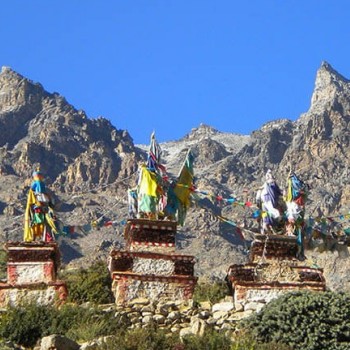
- Visit historic Buddhist monasteries including Thame Gompa, Tengboche Monastery, and Pangboche Monastery.
- Follow the quieter and culturally rich trail through Thame Valley, one of the less-traveled areas of the Khumbu.
- Discover Thame Village, one of the oldest and most culturally significant Sherpa settlements in the Everest region.
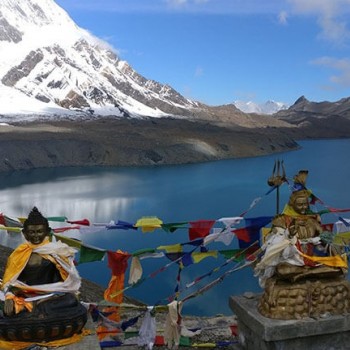
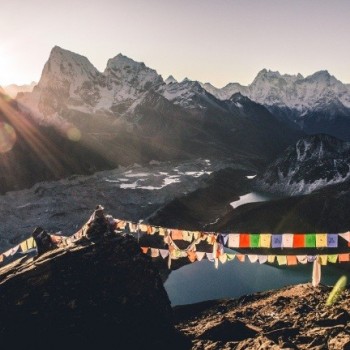
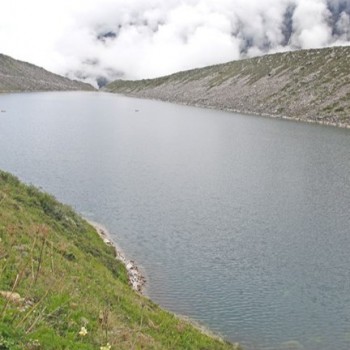
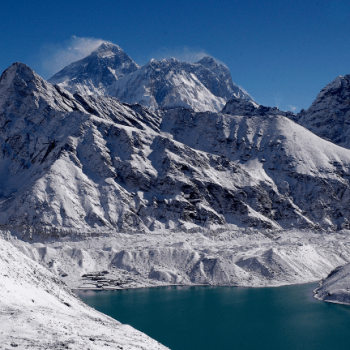
- Explore the spectacular Gokyo Valley and its turquoise glacial lakes.
- Climb Gokyo Ri (5,357m) for an unforgettable sunrise and panoramic views of Everest, Cho Oyu, Lhotse, Makalu, and surrounding peaks.
- Explore the beautiful Fourth Lake (Thonak Tsho) and Fifth Lake (Ngozumpa Tsho) in the upper Gokyo Valley.
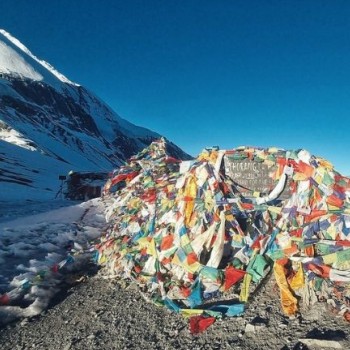
- Cross the challenging Renjo La Pass (5,360m) with breathtaking views of the Himalayan range.
- Cross the dramatic Cho La Pass (5,420m) and experience the spectacular Cho La Glacier.
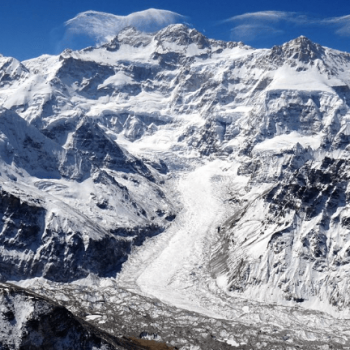
- Trek alongside the immense Ngozumpa Glacier, one of the longest glaciers in the Himalayas.
- Reach Everest Base Camp (5,364m) and stand at the foot of the world's highest mountain.
- Walk along the Khumbu Glacier and its dramatic moraine landscapes, with views toward the famous Khumbu Icefall.
- Hike to Kala Patthar (5,550m) for one of the finest close-up views of Mount Everest and the surrounding Himalayan giants.
- Take on the ultimate challenge: summit Lobuche East Peak (6,119m) with experienced climbing support from Mount Mania.
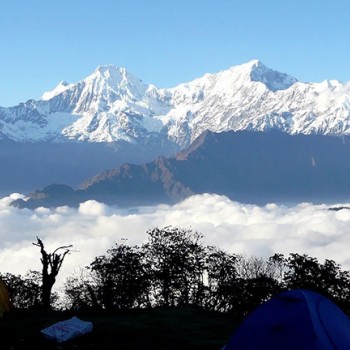
- Enjoy spectacular summit views of Mount Everest, Lhotse, Nuptse, Makalu, Cho Oyu, Ama Dablam, Pumori, Cholatse, Thamserku, and many more.
- Experience the changing landscapes of the Khumbu—from lush valleys and traditional villages to glacial valleys, rugged moraines, and high alpine terrain.
- Experience authentic Sherpa culture, Buddhist traditions, monasteries, mountain hospitality, and local village life throughout the journey.
- Complete an unforgettable Everest-region adventure combining trekking, high passes, glacier crossings, Everest Base Camp, and 6,000-meter peak climbing in one carefully designed itinerary.
Introduction to Lobuche Peak Climbing with Renjo La, Cho La Pass & Everest Base Camp
Renjo La & Cho La Pass, Everest Base Camp with Lobuche East Climbing
The Lobuche East Climbing with Everest Base Camp, Renjo La and Cho La Pass Trek is one of the most exciting and complete Himalayan adventures in the Everest region. This challenging journey combines high-altitude trekking, spectacular mountain passes, Everest Base Camp, Gokyo Valley, and the ascent of Lobuche East Peak (6,119m) into one unforgettable expedition.
Organized by Mount Mania, this adventure is designed for trekkers and climbers who want to experience the major highlights of the Khumbu region while gradually gaining valuable altitude and acclimatization before attempting the summit.
The journey takes you across two spectacular high mountain passes—Renjo La (5,360m) and Cho La (5,420m)—while visiting the beautiful Gokyo Lakes, Gokyo Ri, Everest Base Camp (5,364m), and Kala Patthar (5,550m). The combination provides an exceptional opportunity to explore both the quieter trails of the Gokyo Valley and the iconic Everest Base Camp route.
An Ideal Combination of Trekking and Peak Climbing
At 6,119 meters, Lobuche East is one of Nepal's popular trekking peaks and offers an exciting introduction to Himalayan peak climbing. The summit section involves steep snow and ice terrain, making previous high-altitude trekking experience and good physical fitness highly beneficial.
One of the major advantages of combining Lobuche East with the Everest Three High Passes route is the gradual acclimatization. Before reaching Lobuche Base Camp and High Camp, you will already have crossed Renjo La and Cho La, explored Gokyo Ri, visited Everest Base Camp, and reached Kala Patthar. This progressive itinerary provides valuable experience at high altitude before the summit attempt.
Explore the Gokyo Valley and Cross Renjo La
Your adventure begins with a scenic flight to Lukla, followed by trekking through traditional Sherpa settlements toward Namche Bazaar. From Namche, the route gradually leaves the busier Everest Base Camp trail and heads toward the beautiful and less-traveled Thame Valley.
From Thame, you continue toward Renjo La. The climb to Renjo La Pass (5,360m) is demanding but rewarding, with spectacular views of Everest, Lhotse, Makalu, Cho Oyu, and surrounding Himalayan peaks. Descending from the pass, you enter the breathtaking Gokyo Valley.
At Gokyo, you can explore the turquoise Gokyo Lakes and climb Gokyo Ri (5,357m) for an impressive panorama of the Everest region.
Cho La Pass and Everest Base Camp
From Gokyo, the adventure continues toward the dramatic Cho La Pass (5,420m). Crossing the pass is one of the most memorable sections of the trek, involving steep terrain and, depending on conditions, snow and ice.
After crossing Cho La, you descend toward Dzongla and Lobuche, eventually continuing to Gorak Shep. From here, you make the iconic trek to Everest Base Camp (5,364m), surrounded by some of the world's highest and most spectacular mountains.
You will also hike to Kala Patthar (5,550m), one of the finest viewpoints in the Everest region, where you can enjoy extraordinary close-up views of Mount Everest, Nuptse, Pumori, Lhotse, Ama Dablam, and other Himalayan giants.
Lobuche East Peak Climbing
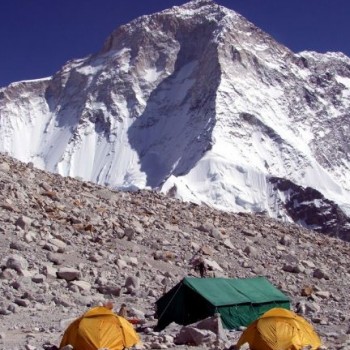
After completing the major trekking highlights, the journey turns toward the climbing section of the adventure. You head to Lobuche Base Camp and High Camp, where our experienced climbing team provides essential preparation and practical training.
Depending on weather and climbing conditions, the summit attempt normally begins very early in the morning. The climb involves snow and ice sections and requires the use of appropriate mountaineering equipment, including crampons, harness, ice axe, climbing helmet, ropes, and other technical gear.
Reaching the summit of Lobuche East (6,119m) is the ultimate achievement of the journey. From the summit, you can enjoy an outstanding Himalayan panorama featuring Mount Everest, Lhotse, Nuptse, Ama Dablam, Pumori, Cholatse, Thamserku, and numerous other peaks.
After celebrating your summit success, you descend safely toward the lower Khumbu and continue through the familiar Sherpa villages toward Namche Bazaar and Lukla. From Lukla, a scenic flight brings you back to Kathmandu, marking the end of an extraordinary Himalayan adventure with Mount Mania.
Why Choose Mount Mania?
With Mount Mania, this journey is carefully planned to combine challenging trekking with a professionally supported peak-climbing experience. Our experienced local guides and climbing team provide assistance throughout the trek, including acclimatization, route guidance, climbing preparation, and summit support.
The Lobuche East, Everest Base Camp, Renjo La and Cho La adventure is an excellent choice for travelers who want to experience the diverse landscapes of the Everest region—from peaceful Sherpa villages and turquoise glacial lakes to high mountain passes, Everest Base Camp, and the exhilarating summit of a 6,000-meter Himalayan peak.
This version is more natural for a Mount Mania website, with stronger branding, smoother flow, and clearer separation between the trekking, acclimatization, and climbing experiences.
Useful Information
Two High Passes Trek with Lobuche Peak Climbing – BestTime
The best seasons for the Two High Passes Trek with Lobuche Peak Climbing are spring (March to May) and autumn (late September to November).
Spring – March to May
Spring is one of the most popular periods for trekking and climbing in the Everest region. The weather is generally stable, temperatures are more comfortable, and the skies are often clear, providing excellent views of Everest, Lhotse, Nuptse, Ama Dablam, Cho Oyu, and other Himalayan peaks.
April and early May are particularly popular for Lobuche Peak climbing because climbing conditions are generally favorable. The Everest region is also lively during the spring expedition season.
Autumn – Late September to November
Autumn is another excellent season for this adventure. After the monsoon, the atmosphere is usually clear, offering excellent mountain visibility and spectacular views throughout the Khumbu.
October is generally considered one of the most popular months for the trek. November can still provide excellent conditions, although temperatures become considerably colder, particularly at higher elevations and during early-morning summit attempts.
Winter and Monsoon
The monsoon season (June to August) is generally less suitable because rainfall can make lower trails wet and slippery, while clouds may obscure mountain views.
Winter (December to February) brings very cold temperatures and a higher possibility of snow and ice on Renjo La and Cho La. Heavy snowfall can make the high passes and Lobuche Peak climbing section significantly more challenging.
Accommodation on the Two High Passes Trek with Lobuche Peak
Accommodation during the trekking section is primarily in local teahouses and mountain lodges. These provide a comfortable place to rest while allowing trekkers to experience the hospitality and culture of the Sherpa communities.
In places such as Phakding, Namche Bazaar, Thame, Thangnak, Dzongla, Lobuche, and Gorak Shep, accommodation generally consists of twin-sharing rooms with beds and mattresses. Facilities become increasingly basic as you gain altitude.
At lower elevations, some lodges offer attached bathrooms, hot showers, Wi-Fi, and charging facilities. At higher elevations, bathrooms are generally shared, hot showers may be limited or available for an additional charge, and internet and electricity can be less reliable.
During the Lobuche Peak climbing section, accommodation may include tented camping depending on the climbing itinerary and current conditions. At Lobuche Base Camp or High Camp, climbers stay in tents and the climbing crew provides the necessary camp support.
Food and Meals on the Two High Passes Trek with Lobuche Peak
Meals are an important part of maintaining energy during this demanding trek. Teahouses provide a variety of local and international dishes, including:
- Dal Bhat with rice, lentils, vegetables, and pickles
- Noodles and fried noodles
- Pasta
- Momo
- Sherpa stew
- Tibetan bread
- Pancakes
- Eggs
- Porridge
- Soup
- Rice dishes
- Potatoes
- Pizza at selected lodges
- Tea, coffee, and other hot drinks
Dal Bhat is particularly popular because it provides a substantial combination of carbohydrates, protein, and vegetables. It is an excellent choice before long trekking days and high-pass crossings.
The standard trekking package generally includes breakfast, lunch, and dinner during the trekking period.
During the Lobuche Peak climbing section, meals are arranged according to the camping and climbing program. On summit day, an early breakfast and portable high-energy snacks are important because the climb starts during the early hours of the morning.
Trekkers should also carry energy bars, chocolate, dried fruit, electrolyte powder, or similar snacks for demanding sections such as Renjo La, Cho La, and Lobuche Peak.
Two High Passes Trek with Lobuche Peak Difficulty
The Two High Passes Trek with Lobuche Peak Climbing is a strenuous high-altitude trekking and climbing adventure. It combines two challenging mountain passes—Renjo La and Cho La—with the Everest Base Camp trek and a technical ascent of Lobuche East Peak.
The route involves long trekking days, steep ascents and descents, rocky terrain, glacial sections, snow and ice, and significant altitude gain.
The highest points of the itinerary include:
- Renjo La 5,360m
- Cho La 5,420m
- Everest Base Camp 5,364m
- Kalatatthar 5545m
- Lobuche East Summit – 6,119m
Previous high-altitude trekking experience is strongly recommended. Good cardiovascular fitness, endurance, and preparation for sustained uphill walking are important.
The Lobuche Peak climbing section requires additional preparation because the route above the trekking section involves glacier travel, snow and ice, fixed ropes in some sections, and the use of climbing equipment such as crampons, harness, helmet, and an ice axe.
Trekkers should be prepared for walking approximately 5–9 hours per day, depending on the itinerary, weather, trail conditions, and altitude.
Altitude and Acclimatization
Altitude is one of the major challenges of this adventure. Proper acclimatization is therefore essential.
Possible symptoms of Acute Mountain Sickness (AMS) include:
- Headache
- Nausea
- Dizziness
- Loss of appetite
- Unusual tiredness
- Difficulty sleeping
- Shortness of breath
More serious symptoms require immediate medical attention and descent. Never continue ascending when serious altitude-related symptoms are developing.
Your guide will monitor your condition throughout the trek and can recommend rest, descent, or other appropriate action when necessary.
Travel Insurance for the Two High Passes Trek with Lobuche Peak
Comprehensive travel and mountaineering insurance are strongly recommended for this trek and peak-climbing adventure.
Because the route reaches above 6,000 meters, your insurance should specifically cover high-altitude trekking and mountaineering/peak climbing, not simply standard travel activities.
Before departure, check that your policy includes:
- Emergency helicopter evacuation
- High-altitude medical evacuation
- Emergency medical treatment and hospitalization
- Search and rescue
- Lobuche Peak climbing
- High-altitude trekking
- Trip cancellation and curtailment
- Flight delays and cancellations
- Emergency repatriation
- Lost or damaged baggage/equipment
- 24-hour emergency assistance
Always check the maximum altitude covered by your policy and make sure it covers the actual maximum altitude of your itinerary, including the Lobuche Peak summit.
You should carry your insurance policy details and emergency contact information with you during the trek.
Two High Passes Trek with Lobuche Peak Packing List
Packing correctly is essential for a successful high-altitude trek and peak climb. Your equipment should be suitable for both trekking and climbing conditions.
Trekking Clothing
- Moisture-wicking base layers
- Fleece jacket
- Down jacket
- Waterproof/windproof jacket
- Trekking trousers
- Thermal underwear
- Waterproof trousers
- Warm hat and sun hat
- Neck warmer or buff
- Warm gloves and lightweight gloves
- Trekking socks
- Extra underwear
Footwear
- Comfortable trekking boots
- Warm climbing boots suitable for Lobuche Peak
- Camp shoes or sandals
- Gaiters
- Several pairs of trekking socks
Climbing Equipment
- Climbing helmet
- Climbing harness
- Crampons
- Climbing gloves
- Headlamp with spare batteries
- Carabiners and climbing accessories as required
- Prusik/ascender equipment if required by the climbing team
The exact technical equipment required will depend on current route and climbing conditions. Your climbing guide will provide instructions before the ascent.
Sleeping and Personal Equipment
- Sleeping bag suitable for temperatures at high altitude
- Sleeping bag liner
- Duffel bag
- Daypack
- Trekking poles
- Water bottles or hydration system
- Water purification tablets or filter
- Sunglasses with strong UV protection
- Sunscreen and lip balm
- Personal first-aid supplies
- Personal medication
- Toiletries
- Quick-drying towel
- Power bank
- Camera/phone
Documents
- Passport
- Trekking permits
- Peak climbing permit
- Travel insurance documents
- Emergency contact details
- Passport-size photographs if required
Gear Rental in Kathmandu
Trekkers can purchase or rent many trekking and climbing items in Thamel, Kathmandu before departure. Mount Mania Treks and Expedition can assist clients with checking and arranging the necessary trekking and climbing equipment before the expedition begins.
It is important to test rented equipment before starting the high-altitude section and to make sure climbing boots, crampons, harnesses, and other technical equipment fit correctly.
Important Safety Advice
The Two High Passes Trek with Lobuche Peak Climbing combines demanding trekking with a technical mountain ascent. Weather can change quickly at high altitude, and itinerary schedules may need to be adjusted according to trail, weather, and individual health conditions.
The itinerary should therefore include adequate acclimatization and, where possible, contingency time for unfavorable weather or climbing conditions.
Safety always takes priority over reaching a particular pass or summit. Your guide and climbing team will assess conditions and make decisions based on weather, route conditions, altitude, and the group's overall safety.