Useful Information
Useful Information for Mera Peak Climbing – Base Camp Service
Where does the service start?
It starts and ends in Khare (5,000m), the last settlement below Mera High Camp. Most trekkers reach Khare in 6–7 days from Lukla via Paiya, Pangkongma, Ramailo Danda, Kothe and Thangnak.
2-day itinerary
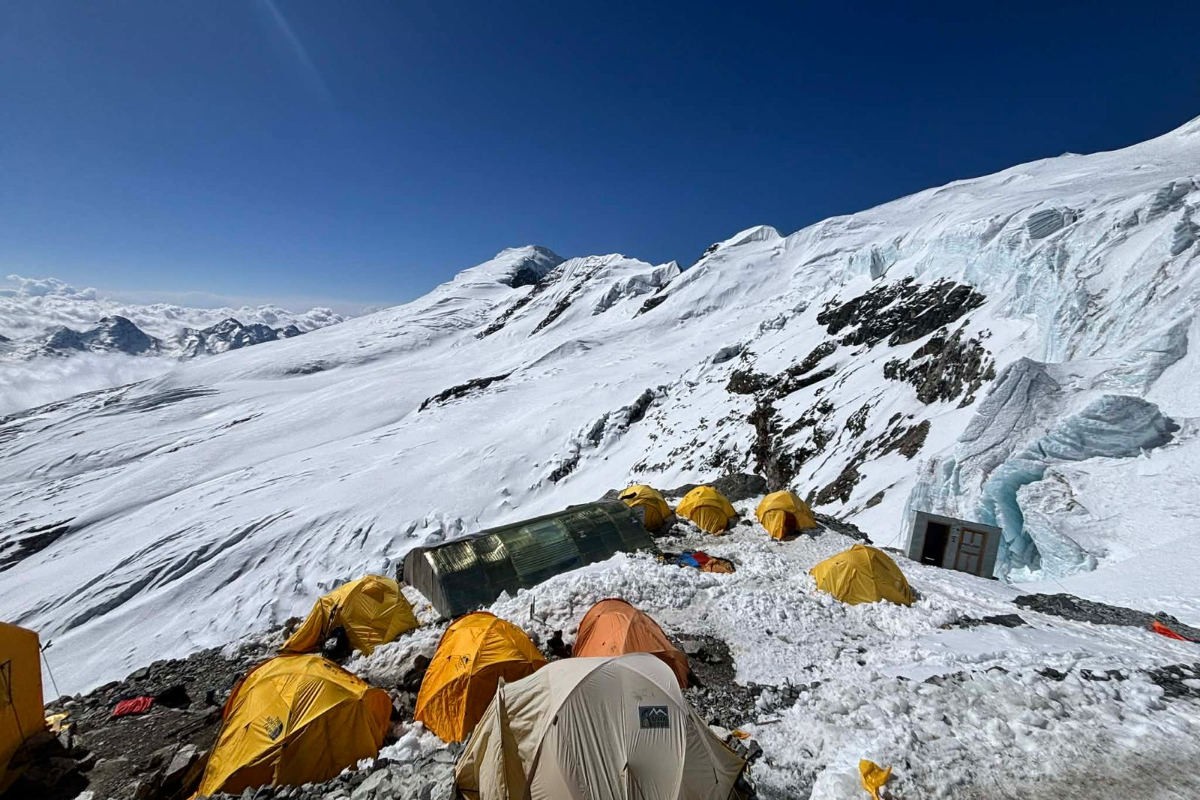
Day 1: Khare to Mera High Camp (5,800m), 5–6 hours across the glacier. Briefing, gear check, camp setup and early dinner.
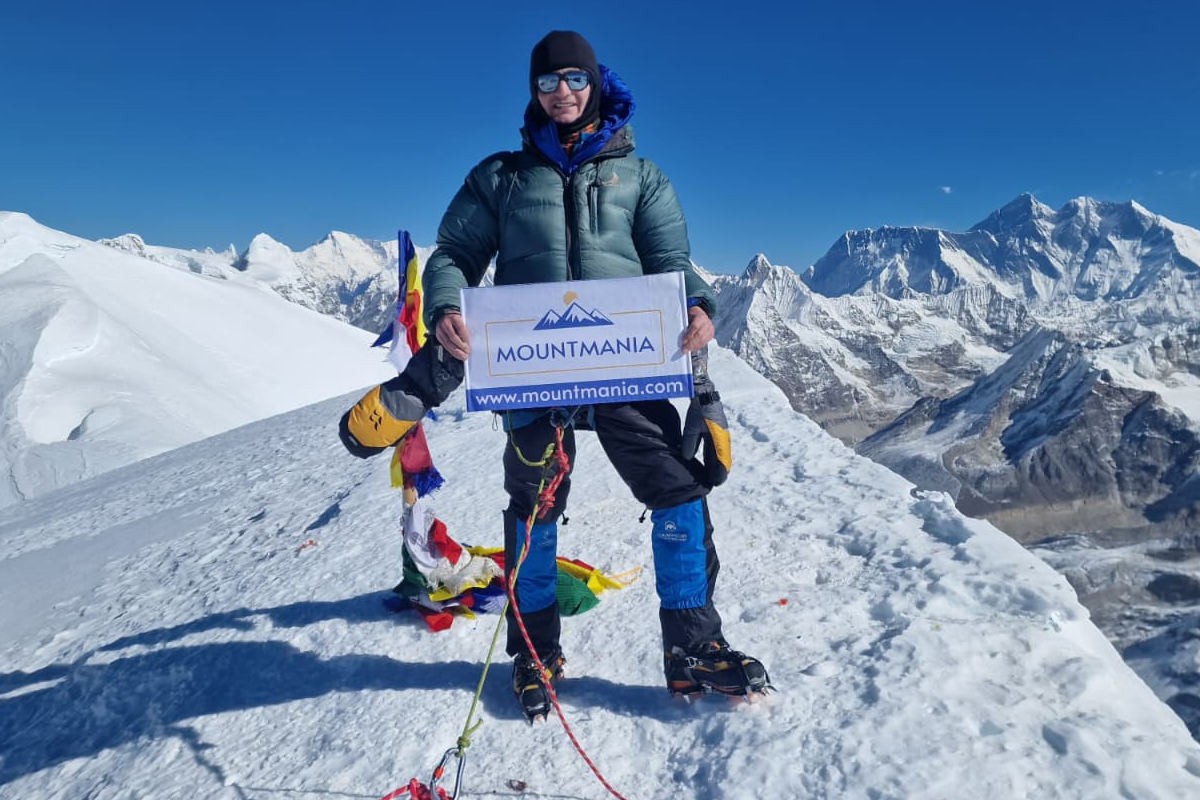
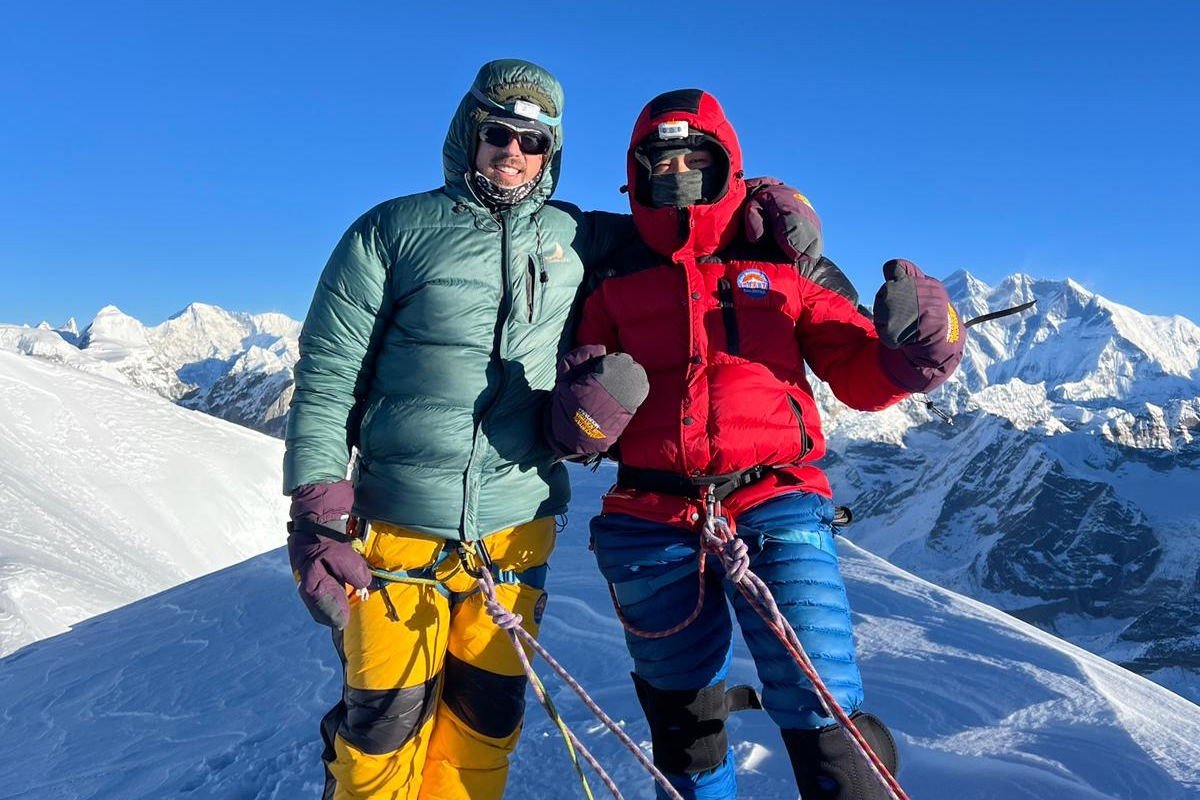
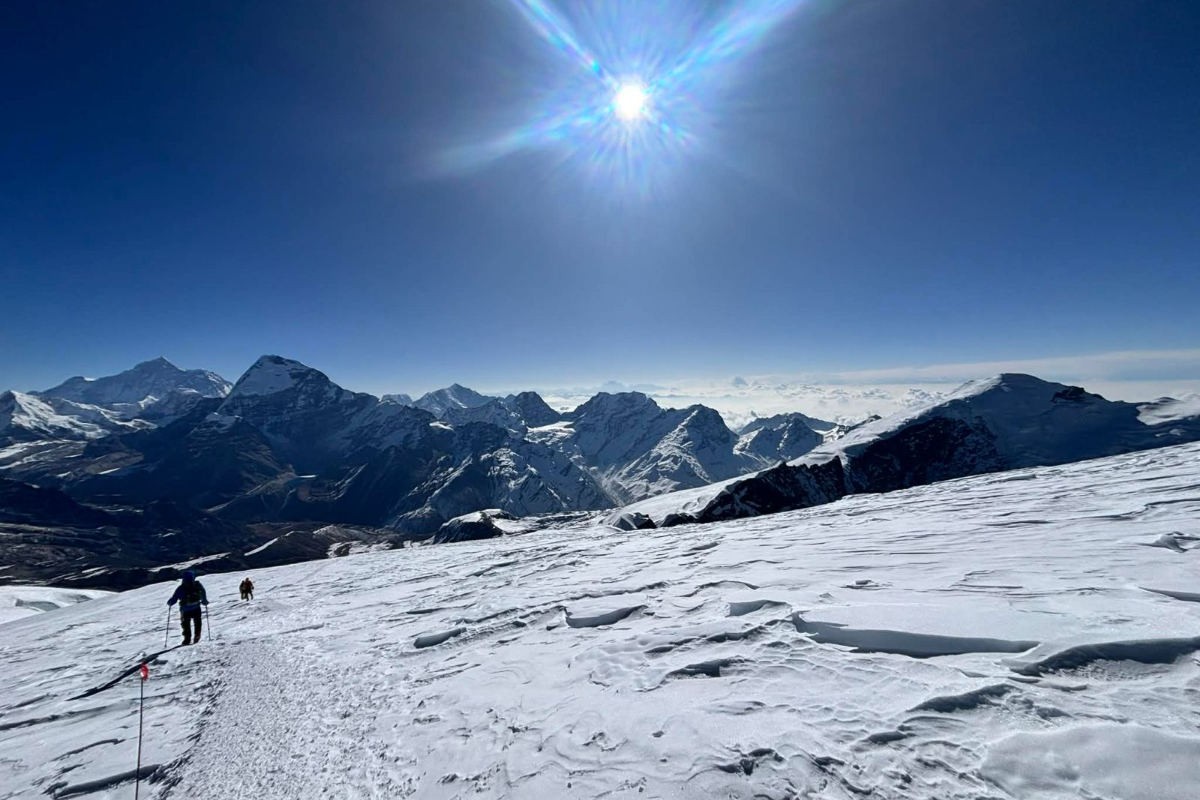
Day 2: Summit (6,476m) and return to Khare. Start around 2 AM, 8–9 hours round trip with snow slopes and short fixed-rope sections.
Difficulty
Mera Peak is non-technical but physically demanding because of the altitude, cold (below -20°C at night) and a long summit day. You must be fit and already acclimatised. Basic crampon and rope skills are taught in Khare.
Best time to climb
Spring (April to early June) and autumn (late September to November) give the most stable weather and clearest views.
What to bring
-20°C sleeping bag, down jacket, windproof trousers, high-altitude gloves and mittens, headlamp, 35–50L backpack, glacier sunglasses and sunscreen.
Prices
Autumn 2026–27: US$675 solo, US$650 per person for 2–5 climbers, US$600 per person for 6–10 climbers. Spring 2027–28: US$750 solo, US$700 (2–5), US$650 (6–10).
FAQs
How long does it take to climb Mera Peak?
The ascent to the summit of Mera Peak begins gradually and is significantly influenced by prevailing weather conditions. Initially, we depart from the high camp, typically around 2 am, with an estimated duration of 5 to 6 hours to reach the summit. Subsequently, it is crucial to adopt the rest step technique when navigating steeper terrain.
Is Mera Peak harder than kilimanjaro?
Mera Peak demanded more strength and endurance training than Kilimanjaro and was undoubtedly more difficult.
What is the hiking route to Mera Peak?
Rather than taking the typical route that goes straight up the Zatra La pass, which leads to Mera Peak, we choose the path that heads south from Lukla, into the stunning Hinku Valley, and then back over the same way.
How much does it cost to climb Mera Peak?
- Mera Peak Climbing cost for solo is USD 2350 Per Person
- Mera Peak Climbing cost for (3 to 6 Pax) is USD 2000 Per Person
- Mega Peak Climbing cost for (7 to 9 Pax) is USD 1796 Per Person
Can a beginner climb Mera Peak?
Yes, Mera Peak is a trekking peak at a high altitude that is not technical. You don't require any specialized climbing abilities with ropes, gears, or the use of an ice axe to reach summit 6476M. Mera Peak is a popular spot for climbers with little to no previous mountaineering knowledge.
How difficult is Mera Peak?
The route we take to reach Mera Peak is quite difficult to trek. The trail is quite challenging and has several ups and downs.
Is Mera Peak worth it?
As you ascend Mera Peak, Mount Everest will enthrall you more. The lower paths have a wonderful blend of little rural settlements and Sherpa culture. Nepal's Everest area is a gigantic mountain range.
Which is better Island Peak or Mera Peak?
Mera Peak (6476m) is slightly higher than Island Peak (6189m). Although Mera is the highest trekking peak, the route is simple. Island Peak is more technical as it includes steeper ice climbs. Both of these mountains are suitable for beginner climbers. However, Mera can be climbed without proper climbing skills.
Is Mera Peak better than Everest Base Camp?
The route to Mera Peak is much quieter than the busier Everest Base Camp trekking route, providing a more peaceful experience. Along the way, you pass through a variety of terrains, from dusty trails to lush forests, picturesque remote villages and finally snow-capped mountain peaks.
Can you see Mount Everest from Mera Peak?
Reaching an altitude of 6,476 m, Mera peak in the Khumbu region of Nepal is known as the gateway to Everest. From the summit, you'll be treated to breathtaking views of the world's five highest mountains: Kanchenjunga, Lhotse, Makalu, Cho Oyu and no doubt Everest.
Is Mera Peak easier than island peak?
Mera Peak is technically much simpler than Island Peak, and therefore easier than Island Peak. Although technically easier, the peak is only 1,000 feet higher, experiences more strong winds than Island Peak, and can also be much colder.
How long is Mera Peak trek?
Mera Peak is the highest peak in Nepal defined as a "trekking peak". With an altitude of 6476 meter, this is a high mountain that requires little technical climbing on the usual route. Our private guided trip takes only 13 days.
Can I climb Mera Peak without guide?
No, you cannot climb Mera peak or any other mountain in Nepal without a guide. As per government rule, you can only climb a Himalayan peak or mountain in Nepal if you climb with a registered Nepal climbing company and a licensed guide.
What do I need to know about Mera Peak?
Mera Peak is classified as a trekking peak. It has three main peaks: North Mera (6,476 meters), Central Mera (6,461 meters) and South Mera (6,065 meters). The first ascent of Mera Central took place on May 20,1953.
What is the success rate of the Mera Peak summit?
Our success rate of the Mera Peak Summit is 90%.
How do I get a Mera Peak climbing permit?
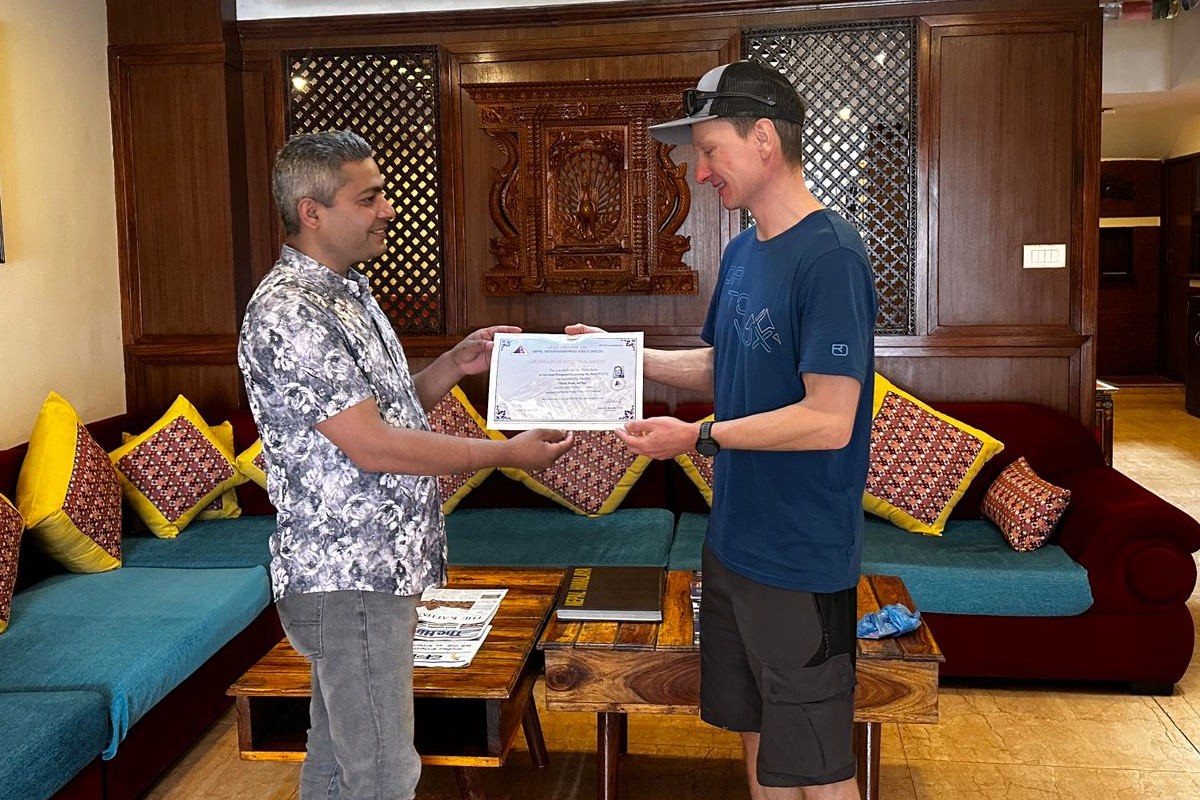
You need two different permits to climb to the top: Mera climbing permit and a Makalu Barun National Park permit. You can easily get a Mera Peak climbing permit from the Nepal Mountaineering Association (NMA) and a climbing permit from the Nepal Tourism Board office in Bhirkutimandap, Kathmandu.
What to climb after Mera Peak?
Himlung Himal Expedition (7,126 meters) is one of the unique trekking campaigns in Nepal. It is located between the Annapurna Mountains and the northern Mount Manaslu (8,163 meters). This peak is an ideal choice for those looking for their next hike after Mera Peak.
How high is Mera Peak in feet?
Mera Peak is a classic Himalayan peak to climb, rising to 21,246 feet above sea level.
What do you wear to Mera Peak summit?
Packs and Bags
- Two Duffel Bags: at least one bag should be extremely durable, waterproof and large enough to fit everything you own.
- One small Duffel Bag: this bag will be useful to keep everything that is not necessary for your trip. It will be left behind in the hotel.
- Alpine Pack: it is a large size summit pack for day climb and trekking.
Clothes
- Head: A warm hat that covers your ear, face mask, and scarf
- Hands: Lightweight synthetic gloves, mittens
- Upper Body: short sleeve Merino Short, Long sleeve Merino shirt, hardshell jacket, softshell jacket, lightweight down jacket, expedition weight down jacket
- Lower Body: underwear, quick-dry shorts, softshell pants, hardshell pants, lightweight trekking pants, down or synthetic insulated pant, thermal bottoms
- Feet: thick socks, mountaineering boots, hiking shoes, sandals, liner socks,