The Apple Pie Trek: Why the Annapurna Circuit is Nepal's Most Delicious Adventure?
Dec 19, 2025
Rupak Parajuli
Imagine trekking through snow-capped Himalayan passes, ancient Buddhist villages, and windswept valleys—then rewarding yourself with a warm slice of homemade apple pie and a steaming cup of masala tea. Welcome to Nepal's legendary Apple Pie Trek.
The Annapurna Circuit isn't just one of the world's greatest treks—it's also surprisingly one of the most delicious. While most people come for the jaw-dropping mountain views and cultural immersion, they leave raving about the apple pie. Yes, you read that right. This iconic route has earned the affectionate nickname "Apple Pie Trek," and once you experience it firsthand, you'll understand exactly why.
Table of Contents
Plan your trip to Nepal
Customize your trip with help from a local travel specialist.
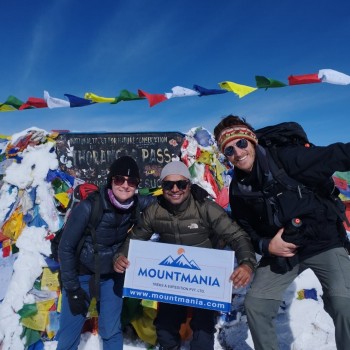
The Apple Pie Trek is simply another name for the Annapurna Circuit Trek, one of Nepal's most celebrated trekking routes. This classic journey typically takes 12-21 days and circles the magnificent Annapurna massif, crossing the challenging Thorong La Pass at 5,416 meters (17,769 feet).
But here's what makes it different from other high-altitude adventures: comfort. The Annapurna Circuit boasts an incredibly well-developed network of cozy teahouses, charming bakeries, and café-style lodges—especially in the Mustang region. You'll find fresh-baked goods, international cuisine, and yes, absolutely divine apple pie at almost every major stop along the way.
This isn't your typical rugged camping expedition where you survive on freeze-dried meals. The Annapurna Circuit food scene is legendary, offering trekkers the unique combination of wilderness adventure and surprising culinary comfort.
The Sweet History Behind the Nickname
The "Apple Pie Trek" nickname emerged organically in the 1980s and 90s when the Annapurna Circuit first opened to international trekkers. Lodge owners in the Mustang and Manang regions, particularly around Marpha and Jomsom, began cultivating apple orchards and creating homemade apple products to attract weary hikers.
The Marpha region, sitting at around 2,670 meters, proved to have ideal conditions for growing crisp, sweet apples. Enterprising locals started baking fresh apple pies, brewing apple cider, and crafting apple brandy (the locally famous marpha brandy). Word spread quickly among the trekking community, and soon, the promise of fresh apple pie became almost as famous as the mountain views.
Today, tea house trekking in Nepal—especially on the Annapurna Circuit—is synonymous with warm hospitality, comfortable lodges, and surprisingly sophisticated menus featuring everything from pizza and pasta to momos and, of course, that legendary apple pie.
Best Places to Savor Apple Pie Along the Circuit
Marpha: The Apple Pie Capital
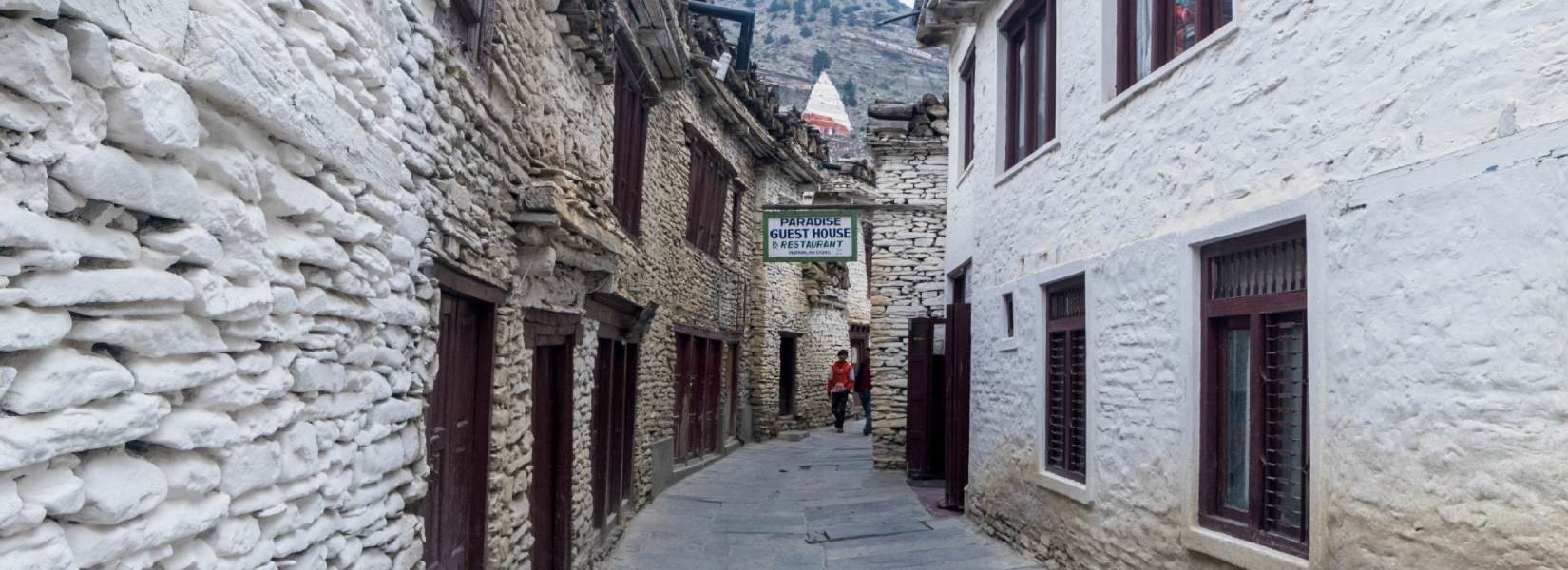
If the Annapurna Circuit has a culinary capital, it's Marpha. This picturesque village with its whitewashed stone houses and cobblestone streets is famous throughout Nepal for its apples. Nearly every teahouse and lodge serves fresh apple pie, often made with apples picked from nearby orchards just hours before.
Don't miss the local apple brandy either—it's the perfect way to warm up after a long day of trekking. The bakeries here also offer apple strudel, apple cake, and apple cider that rival anything you'd find in Europe.
Jomsom: Modern Comfort at Altitude
Jomsom, the administrative center of Lower Mustang, offers an impressive array of bakeries and cafés. With its airport and relatively developed infrastructure, this town has become a trekker's haven. You'll find German bakeries, Italian restaurants, and multiple spots serving excellent coffee alongside their signature apple desserts.
The morning bakery ritual in Jomsom is almost ceremonial—trekkers gather at cozy cafés, sharing stories over fresh croissants, cinnamon rolls, and of course, warm apple pie with vanilla ice cream.
Manang: High-Altitude Indulgence
At 3,540 meters, Manang is your crucial acclimatization stop before tackling Thorong La Pass. Fortunately, it's also a fantastic place to enjoy comfort food. The village has embraced its role as a trekking hub, with multiple bakeries offering fresh-baked goods daily.
The German Bakery in Manang is particularly popular, serving hearty breakfasts, fresh bread, and yes, exceptional apple pie. After spending a rest day here adjusting to the altitude, you'll be grateful for these culinary oases.
Pisang, Chame, and Beyond
Even in smaller villages like Pisang and Chame, you'll find teahouses offering apple-based treats. The Annapurna Circuit food culture has spread throughout the entire route, meaning you're never too far from a comforting slice of pie and a hot drink.
Trek Difficulty and Fitness Requirements
Let's be honest about the challenge. The Annapurna Circuit is a moderate to challenging trek that requires good physical fitness and mental determination. While the promise of apple pie makes it sound like a walk in the park, you'll still be trekking 5-7 hours daily for multiple weeks, often at significant altitude.
Altitude Challenges
The highest point—Thorong La Pass—sits at 5,416 meters, where altitude sickness becomes a real concern. You'll spend several days above 3,000 meters, which requires proper acclimatization. The good news? The itinerary naturally builds in rest days, and the gradual ascent profile helps your body adjust.
Fitness Level Needed
You don't need to be an Olympic athlete, but you should be able to walk continuously for several hours with a backpack. Start training at least 2-3 months before your trek with regular hiking, stair climbing, and cardiovascular exercise. The fitter you are, the more you'll enjoy the experience—and the apple pie will taste even better!
Technical Skills
No technical mountaineering skills are required. The Annapurna Circuit follows well-established trails, though some sections can be steep, rocky, or exposed. During winter months, the Thorong La Pass may require crampons and trekking poles for safety.
Best Seasons for the Apple Pie Trek
Spring (March to May)
Spring is peak apple blossom season in the lower valleys, creating stunning white and pink flower displays against the snow-capped peaks. Temperatures are pleasant, with warm days and cool nights. The trails are busy but not overcrowded, and all teahouses are fully operational.
Rhododendrons bloom across the hillsides, adding spectacular splashes of red and pink to your trek. March can still have snow at Thorong La, while May brings clearer skies but warmer temperatures.
Autumn (September to November)
This is the most popular season for the Annapurna Circuit Trek, and for good reason. Fresh apples are harvested in September and October, meaning the apple pie is made with the freshest possible ingredients. The weather is stable, skies are crystal clear, and mountain views are absolutely spectacular.
October offers the best combination of perfect weather, crisp visibility, and festival celebrations (Dashain and Tihar). November can be colder, especially at higher elevations, but trails are less crowded.
Monsoon and Winter?
The monsoon (June-August) brings rain, leeches, and obscured views, though the Mustang region sits in a rain shadow and receives less precipitation. Winter (December-February) is cold and challenging, with heavy snow potentially closing Thorong La Pass. However, winter trekking offers solitude and dramatically lower prices—though some teahouses close seasonally.
Modern Trekking Facilities: More Comfort Than You'd Expect
Accommodation
Tea house trekking in Nepal has evolved dramatically. Forget camping and basic shelters—today's Annapurna Circuit teahouses offer surprising comfort. Most provide private rooms with twin beds, clean bedding, and shared bathroom facilities. Larger villages like Manang, Jomsom, and Marpha have lodges with hot showers, western toilets, and even heated dining rooms.
Rooms are typically simple but adequate, with wooden walls, foam mattresses, and blankets. You'll pay extra for hot showers (usually 200-500 rupees) and wifi access, but these luxuries are readily available.
Food Options
The menu variety is remarkable. Beyond apple pie, you'll find:
Traditional Nepali dal bhat (unlimited refills!)
Tibetan momos (dumplings)
Pasta, pizza, and western breakfasts
Fresh vegetables and soups
Yak cheese from local herders
Chocolate cake, brownies, and cinnamon rolls
Most lodges display extensive menus rivaling small-city restaurants. Portions are generous, and the food is generally safe and well-prepared.
Wi-Fi and Charging
Most teahouses now offer wifi (for a fee of 200-500 rupees per day or per GB). Signal strength varies, but staying connected is possible throughout most of the circuit. Charging facilities are available everywhere, though you'll pay extra (100-300 rupees per device). Bring a universal adapter and power bank for backup.
Hot Showers and Heating
Hot water is generated by solar panels or gas heaters. Expect to pay extra, but the comfort of washing away trail dust is worth it. Common dining areas often have stoves or heaters, creating cozy gathering spaces for evening conversation with fellow trekkers.
Cultural Experience and Scenic Highlights
Cultural Diversity
The Annapurna Circuit is a cultural journey as much as a physical one. You'll pass through Hindu villages in the lush lower valleys, transition through Buddhist communities as you gain altitude, and experience Tibetan culture in the high-altitude Mustang region.
Prayer flags flutter in the wind, ancient monasteries cling to cliffsides, and locals greet you with warm "Namaste" throughout the journey. Manang's Praken Gompa monastery and the sacred Muktinath temple are spiritual highlights worth lingering over.
Landscape Transformations
Few treks in the world offer such dramatic landscape diversity. You'll trek through:
Subtropical rice terraces and banana plantations
Lush rhododendron and pine forests
High-altitude desert landscapes resembling Tibet
Windswept alpine valleys with glacial rivers
Dramatic gorges carved by the Marsyangdi and Kali Gandaki rivers
The scenery transforms completely every few days, keeping the visual experience constantly fresh and exciting.
Mountain Views
The mountain panoramas are simply breathtaking. You'll see:
Annapurna I (8,091m) - the world's 10th highest peak
Dhaulagiri (8,167m) - the 7th highest
Manaslu (8,163m) - the 8th highest
Gangapurna, Tilicho Peak, Nilgiri, and dozens more
The moment you crest Thorong La Pass and see the Mustang valley spreading below, with the Dhaulagiri massif gleaming white against the blue sky, is genuinely life-changing.
Is the Apple Pie Trek Suitable for Beginners?
Yes—with proper preparation and realistic expectations.
The Annapurna Circuit is one of the more beginner-friendly major treks in Nepal, especially compared to routes like Everest Base Camp or Manaslu. The tea house trekking in Nepal infrastructure provides safety nets, the gradual altitude gain helps acclimatization, and you're never far from help if needed.
Why It Works for First-Timers:
Gradual altitude gain allows your body to adjust naturally
Well-marked trails make navigation straightforward
Frequent villages mean you're never isolated
Good facilities reduce the intimidation factor
Flexible itineraries allow for extra rest days if needed
No technical skills required—just walking
Important Considerations:
Hire a guide if you're nervous about navigation or altitude
Choose a longer itinerary (18+ days) to reduce daily distances
Don't underestimate the altitude challenge
Consider travel insurance that covers helicopter evacuation
Start with shorter practice treks if completely new to hiking
Many first-time trekkers successfully complete the Annapurna Circuit every year. The key is preparation, patience, and listening to your body.
Essential Tips for Your Apple Pie Trek
Acclimatization Strategy
Follow the golden rule: "Climb high, sleep low"
Take mandatory rest days in Manang and other high villages
Stay hydrated (3-4 liters daily at altitude)
Avoid alcohol and sleeping pills at high altitude
Learn to recognize altitude sickness symptoms
Don't rush—extra rest days are better than evacuation
Packing Essentials
Clothing Layers:
Moisture-wicking base layers
Warm fleece or down jacket
Waterproof outer shell
Warm hat, gloves, and buff
Comfortable trekking pants (convertible are ideal)
Good quality trekking boots (broken in!)
Gear:
Sleeping bag (rated for -10°C minimum)
Trekking poles (essential for descents)
Headlamp with extra batteries
Water purification system (tablets or filter)
Sunglasses and high SPF sunscreen
First aid kit including altitude medication
Power bank and universal charger
Dry bags for electronics
Don't Overpack: Remember—you're carrying this every day! Teahouses provide blankets, and you can wash clothes along the route. Pack light and smart.
Permits and Paperwork
You'll need two permits for the Annapurna Circuit:
ACAP (Annapurna Conservation Area Permit): 3,000 NPR
TIMS Card (Trekkers' Information Management System): 2,000 NPR
Arrange these through a trekking agency in Kathmandu or Pokhara. Bring multiple passport photos and your passport. Keep permits accessible—checkpoints verify them regularly.
Money Matters
Bring enough Nepali rupees for the entire trek
ATMs exist in Manang and Jomsom, but don't rely on them
Budget 3,000-5,000 NPR daily for food, accommodation extras, and snacks
Accommodation is cheap (300-500 NPR), but food adds up
Keep small bills for purchases in tiny villages
Tipping guides and porters is customary (10-15% of total service cost)
Health and Safety
Get comprehensive travel insurance covering high altitude (5,500m+)
Bring a well-stocked first aid kit
Pack Diamox (acetazolamide) for altitude sickness prevention
Bring electrolyte supplements
Carry toilet paper and hand sanitizer
Download offline maps (Maps.me works excellently)
Share your itinerary with family back home
Environmental Responsibility
Pack out all non-biodegradable waste
Use refillable water bottles (avoid plastic)
Stay on marked trails to prevent erosion
Respect local culture and photography boundaries
Support local businesses over international chains
Consider carbon offsetting your flight
Start Planning Your Apple Pie Adventure
The Annapurna Circuit—the beloved Apple Pie Trek—offers something genuinely special: the perfect balance of authentic Himalayan adventure and unexpected comfort. Where else can you cross a 5,400-meter mountain pass in the morning and reward yourself with fresh-baked apple pie and cappuccino in the afternoon?
This trek will challenge you, inspire you, and feed you incredibly well. You'll push your physical limits while enjoying warm hospitality and surprisingly good food. You'll experience profound cultural immersion while staying in comfortable lodges with wifi and hot showers. It's the best of both worlds—wild enough to feel like a real adventure, comfortable enough to truly enjoy every moment.
The legendary apple pie is real, and it tastes even better than you imagine when you're sitting in a cozy teahouse at 3,500 meters, watching the sunset paint Annapurna pink and gold.
Ready to Taste the Adventure?
The Apple Pie Trek awaits, and the mountains are calling. Whether you're a first-time trekker dreaming of the Himalayas or an experienced hiker seeking your next great adventure, the Annapurna Circuit delivers unforgettable memories (and exceptional desserts).
Don't attempt this journey alone—partner with an experienced local guide who knows the trails, understands altitude challenges, and can unlock cultural experiences tourists miss. Local guides provide safety, share insider knowledge, support community economies, and transform your trek from a hike into a genuine cultural exchange.
Contact usto start planning your Annapurna Circuit adventure. Book for spring 2026 or autumn 2026 to experience the Apple Pie Trek during peak season, when the weather is perfect, the apples are fresh, and the mountain views are absolutely spectacular.
The slice of warm apple pie at 3,500 meters is waiting for you. Are you ready to taste the adventure of a lifetime?
Have you trekked the Annapurna Circuit? Share your favorite apple pie stop in the enquiry form below!
Rupak Parajuli
Rupak is a certified city tour guide and co-founder of Mount Mania, currently advancing his expertise through a Master's degree in Travel & Tourism Management. With a deep passion for storytelling and sustainable tourism, he is dedicated to promoting responsible travel and bringing local culture to life.
Send an Enquiry
Plan your trip to Nepal
Customize your trip with help from a local travel specialist.