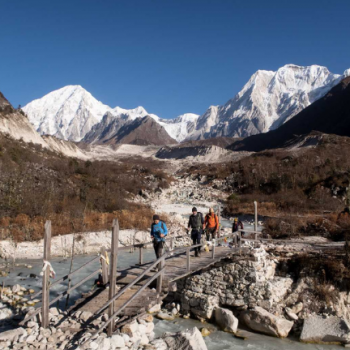
But here is the question many senior travellers ask: Is the Manaslu Circuit Trek suitable for trekkers aged 50 and above? The answer is a resounding yes — with the right preparation, mindset, and support. This guide is written specifically for those of you who are seniors, health-conscious, and ready to take on one of Nepal's great mountain adventures in the second half of life.
Is 50 Too Old for the Manaslu Circuit Trek?
This is perhaps the most common concern among senior trekkers considering this route, and it deserves a direct, honest answer: age is not the deciding factor — preparation is.
The Manaslu Circuit Trek is a moderately to highly challenging high-altitude trek. It involves approximately 14 to 17 days of walking, daily distances ranging from 12 to 20 kilometres, and ascents to altitudes above 5,000 metres. None of that is exclusively the domain of the young. Every year, a growing number of trekkers in their 50s, 60s, and even 70s successfully complete this circuit, many of them doing so for the first time at that age.
What makes older trekkers strong candidates for this adventure is often experience itself. Trekkers over 50 tend to be more disciplined about pacing, more attuned to their body's signals, more patient with the process, and less likely to take unnecessary risks. These are precisely the qualities that determine success on a demanding high-altitude route.
That said, it is important to be realistic. The Manaslu Circuit Trek is not a casual walk. The altitude, terrain, and remoteness present genuine challenges. Trekkers over 50 should approach this trek with thorough preparation, a conservative itinerary that allows for proper acclimatisation, and ideally the support of an experienced local guide. With those elements in place, the Manaslu Circuit Trek at 50+ is not only achievable — it can be one of the most profoundly rewarding experiences of your life.
Physical Fitness Requirements for the Manaslu Trek
One of the most important steps in preparing for the Manaslu Circuit Trek at 50 or above is an honest assessment of your physical fitness — and then building systematically towards the demands of the trek. Here is what the trek physically requires:
Cardiovascular Endurance
The heart and lungs carry the greatest load on a high-altitude trek. You will be walking for five to eight hours per day over consecutive days, at increasing elevations where oxygen levels are significantly reduced. For trekkers over 50, building a strong aerobic base is the single most impactful form of preparation.
Start a cardiovascular training programme at least three to four months before your trek. Recommended activities include brisk walking, hiking on hilly terrain, cycling, swimming, or stair climbing. The goal is to be able to sustain moderate aerobic activity for at least four to five hours without excessive fatigue.
Leg Strength and Muscular Endurance
The Manaslu Circuit involves steep ascents and descents on rocky, uneven trails. Strong quadriceps, hamstrings, calves, and glutes reduce fatigue and protect your knees — particularly important when descending for long stretches with a loaded pack.
Incorporate exercises such as squats, lunges, step-ups, and calf raises into your routine. Hiking with trekking poles and a loaded daypack is the best way to simulate trail conditions.
Core Stability and Balance
Mountain trails are rarely smooth. Good core stability improves balance on uneven terrain and reduces the risk of falls and lower back strain. Yoga, Pilates, and balance exercises are highly recommended additions to a pre-trek fitness programme.
Flexibility and Joint Health
Stiffness in the hips, hamstrings, or ankles can become genuinely painful over long days of trekking. Regular stretching, yoga, and flexibility work are especially valuable for trekkers over 50, whose joints and connective tissues benefit significantly from consistent mobility training.
Medical Clearance
Before committing to this trek, visit your doctor for a full physical assessment. Discuss your trekking plans specifically, including altitude exposure. Conditions such as heart disease, high blood pressure, respiratory issues, and diabetes require careful management at altitude. This is not a reason to avoid trekking — it is a reason to prepare intelligently.
Health and Safety Tips for Trekkers Over 50
High-altitude trekking carries health considerations that apply to all trekkers but are especially important to manage carefully in older adults. Understanding and preparing for these risks is what separates a safe, successful trek from a dangerous one.
Altitude Sickness (Acute Mountain Sickness — AMS)
Altitude sickness does not discriminate by age or fitness level. It occurs when the body struggles to adapt to reduced oxygen levels at high elevation. Symptoms include headache, nausea, dizziness, fatigue, and disturbed sleep. On the Manaslu Circuit, where you spend several days above 3,500 metres and cross a pass at over 5,100 metres, the risk is real and must be taken seriously.
The golden rule is: ascend slowly, acclimatise properly, and never ignore symptoms. Your itinerary should include dedicated acclimatisation days at Samagaun (3,520 m) and ideally a rest day at Dharamsala / High Camp (4,460 m) before the Larkya La Pass crossing.
The "Climb High, Sleep Low" Principle
This fundamental acclimatisation strategy — going higher during the day and returning to a lower altitude to sleep — is extremely effective. Build it into your itinerary wherever possible, particularly at Samagaun, from where you can day-hike to Manaslu Base Camp or the Birendra Tal lake.
Hydration
Dehydration accelerates altitude sickness symptoms and increases fatigue. Drink at least three to four litres of water daily at altitude. Avoid excessive caffeine and alcohol, both of which promote dehydration and disrupt sleep quality. Herbal teas are widely available in teahouses along the route and are an excellent option.
Medications
Discuss with your doctor whether Acetazolamide (Diamox) is appropriate for you as a prophylactic against AMS. Carry a comprehensive medical kit that includes: ibuprofen and paracetamol for pain, antihistamines, diarrhoea medication, antiseptic wound care, blister treatments, and any prescription medications you take regularly. Dexamethasone should be in your kit as an emergency AMS treatment, used only under instruction.
Travel Insurance
This is non-negotiable. Ensure your travel insurance policy covers high-altitude trekking (above 5,000 m) and helicopter evacuation from remote areas. Medical evacuation from the Manaslu region is helicopter-only and is extremely expensive without adequate coverage.
Sleep and Rest
Quality sleep becomes harder at altitude. Avoid sleeping pills, which suppress breathing at night. Instead, maintain good sleep hygiene, use adequate insulation, and allow yourself genuine rest on acclimatisation days rather than pushing on.
Sun and Cold Protection
At altitude, UV radiation is significantly stronger. Use SPF 50+ sunscreen, quality UV-protective sunglasses, and lip balm every day regardless of cloud cover. At the same time, temperatures drop sharply after sunset even in trekking season, so layering effectively for cold nights and early morning departures is essential.
Best Manaslu Circuit Itinerary for Trekkers Aged 50+

The standard Manaslu Circuit can be completed in 14 days, but for trekkers over 50, a 16-day itinerary with additional acclimatisation days is strongly recommended. The extra days are not a concession to age — they are simply good high-altitude practice that dramatically improves both safety and enjoyment.
Day 1: Drive from Kathmandu to Soti Khola (710 m) — approximately 8 to 9 hours by jeep. Overnight in Soti Khola.
Day 2: Trek from Soti Khola to Machha Khola (869 m) — 5 to 6 hours. A relatively easy introductory day through subtropical forest and terraced farmland.
Day 3: Machha Khola to Jagat (1,340 m) — 5 to 6 hours. The trail begins to gain elevation, passing through small riverside villages.
Day 4: Jagat to Deng (1,860 m) — 5 hours. You enter the restricted Manaslu Conservation Area. The landscape transitions to a more alpine character.
Day 5: Deng to Namrung (2,630 m) — 5 to 6 hours. Tibetan cultural influences become more visible. Gompa visits are possible here.
Day 6: Namrung to Samagaun (3,520 m) — 6 to 7 hours via Lho village. This is a significant altitude gain. Take it slowly.
Day 7: Acclimatisation Day at Samagaun. Rest, hydrate, and take a gentle day hike to Birendra Tal (glacial lake, 3,450 m) or towards Manaslu Base Camp (approximately 4,800 m for a partial ascent). Return to Samagaun to sleep.
Day 8: Samagaun to Samdo (3,860 m) — 3 to 4 hours. A shorter day that allows further acclimatisation at a higher elevation.
Day 9: Rest Day at Samdo or day hike to the Tibetan border at approximately 4,200 m. This is an excellent acclimatisation day hike with exceptional views.
Day 10: Samdo to Dharamsala / Larke Phedi (4,460 m) — 3 to 4 hours. A short but important day in preparation for the pass crossing. Rest well, eat carbohydrates, and hydrate.
Day 11: Dharamsala to Bimthang (3,590 m) via Larkya La Pass (5,160 m) — 8 to 9 hours. This is the most demanding day of the entire trek. Start very early (typically 2:00 to 4:00 am) to reach the pass before afternoon cloud cover and wind. Descend carefully to Bimthang.
Day 12: Bimthang to Tilije (2,300 m) — 5 to 6 hours. A long descent through rhododendron forest with significant altitude loss. The body begins to recover. Enjoy it.
Day 13: Tilije to Dharapani (1,860 m) — 4 to 5 hours.
Day 14: Dharapani to Besisahar or drive to Kathmandu. Alternatively, take a local bus or jeep to Besisahar and connect onward.
Day 15–16: Buffer days for Kathmandu exploration, rest, or any delays caused by weather or acclimatisation.
Packing Tips for the Manaslu Circuit Trek at 50+

Smart, lightweight packing is important for every trekker — but for trekkers over 50, it takes on added significance. Carrying unnecessary weight increases joint stress and fatigue. Hire a porter for your main backpack (which is standard practice on this route) and carry only a light daypack yourself.
Clothing Essentials
- Moisture-wicking base layers (top and bottom) — two sets minimum
- Mid-layer fleece or down jacket for warmth
- Waterproof and windproof outer shell jacket and trousers
- Lightweight trekking trousers — two pairs
- Warm trekking socks — at least four pairs (wool blend recommended)
- Gaiters for snow sections near Larkya La
- Warm hat and balaclava for the pass crossing
- Sun hat or cap for lower elevations
- UV-protective sunglasses with side shields
- Lightweight liner gloves and warm outer gloves
Footwear
Invest in high-quality, waterproof, ankle-supporting trekking boots that are thoroughly broken in before the trek. Blisters caused by new boots are one of the most common and preventable causes of trek disruption. Bring a comfortable pair of lightweight camp shoes or sandals for evenings at teahouses.
Gear
- Trekking poles — these are highly recommended for trekkers over 50. They significantly reduce knee strain on descents and improve balance on uneven terrain.
- A quality sleeping bag rated to at least -10°C (14°F) — teahouse blankets at high altitude are not reliable
- Lightweight sleeping bag liner for extra warmth
- Headlamp with extra batteries — essential for early morning starts on pass day
- A water purification method (filter bottle or purification tablets)
- Sunscreen SPF 50+, lip balm with SPF, and hand sanitiser
- A lightweight 20 to 25-litre daypack for the day's essentials
Health and Medical
- Personal medical kit as described in the health section
- Altitude sickness medications (consult your doctor)
- Electrolyte powder sachets
- High-energy snacks: nuts, energy bars, dried fruit, dark chocolate
Documents and Money
- Manaslu Conservation Area Permit (MCAP)
- Annapurna Conservation Area Permit (ACAP) — required for the Dharapani exit
- Trekkers' Information Management System (TIMS) card
- Passport copies
- Cash in Nepali Rupees — ATMs are unavailable along the route
The Benefits of Trekking at 50 and Beyond

There is a reason why increasing numbers of travellers are choosing to take on their greatest physical challenges after the age of 50 — and the Manaslu Circuit Trek beautifully illustrates why.
Physical Health
Extended trekking at moderate to high altitude is one of the most comprehensive forms of exercise available. It strengthens the cardiovascular system, builds lower body strength and muscular endurance, supports bone density, and improves metabolic function. For trekkers over 50, the physical conditioning gained during training and the trek itself can have lasting, measurable benefits on overall health.
Mental Clarity and Emotional Wellbeing
There is something about the Himalayas that strips away unnecessary noise. Days spent walking in mountain silence — without the constant stimulation of screens, deadlines, and social demands — produce a quality of mental clarity that many trekkers describe as transformative. Research consistently links time in nature with reduced cortisol levels, improved mood, and lower anxiety. At 50 and beyond, this psychological reset can be genuinely life-changing.
A Renewed Sense of Capability
Completing a challenging long-distance trek at 50+ delivers something that cannot easily be replicated: the knowledge that you are still capable of extraordinary things. The sense of achievement at the Larkya La Pass, looking out across the Himalayan panorama, is something that transcends any benchmark of age.
Cultural Immersion
The villages along the Manaslu Circuit — Lho, Samagaun, Samdo — preserve a way of life that has deep roots in Tibetan Buddhist culture. For older, experienced travellers who value depth of experience over novelty, walking through these communities is profoundly enriching.
Challenges to Expect on the Manaslu Circuit Trek

Honesty is an essential part of any responsible trekking guide. The Manaslu Circuit is demanding, and trekkers over 50 should enter with clear eyes about what lies ahead.
Altitude
The cumulative days spent above 3,500 metres, followed by the crossing of a 5,160-metre pass, represent the primary physical challenge of this trek. Even fit, well-acclimatised trekkers can experience mild AMS symptoms. This is the most important risk to manage and prepare for.
Long Walking Days
Several days on the circuit — particularly the Larkya La crossing day — involve eight to nine hours of continuous walking on demanding terrain. Some days begin before sunrise and require sustained physical and mental effort. Pacing yourself consistently across all days, not just the hard ones, is essential.
Remote Conditions
The Manaslu region has limited infrastructure compared to the Everest and Annapurna circuits. Teahouse accommodation is basic, food options are simpler at higher elevations, and medical facilities are essentially non-existent on the trail. The nearest hospital is a helicopter flight away. This remoteness is part of the trek's appeal — but it demands self-sufficiency and preparation.
Weather Unpredictability
Even in the best trekking seasons, Himalayan weather can change rapidly. Snow at altitude, rain in the lower valleys, and strong winds near the pass are all possible. Flexibility in your schedule and a willingness to wait out conditions is sometimes necessary.
Physical Fatigue
Consecutive days of trekking with altitude, load, and changing terrain accumulate fatigue in ways that single-day hikes do not. Recovery at altitude is slower than at sea level. Listening to your body — and resting when it tells you to — is not weakness. It is strategy.
Tips for a Successful Manaslu Circuit Trek at 50+
Drawing together everything above, here are the most important practical strategies for trekkers over 50 embarking on the Manaslu Circuit Trek:
Hire a Licensed Guide and Porter
This is strongly recommended for all trekkers on the Manaslu Circuit, and it is the single most impactful decision you can make for safety and success. A licensed, experienced guide knows the trail conditions, manages acclimatisation decisions, communicates with local communities and teahouses, and can respond effectively in an emergency. A porter carries your main bag, removing significant physical burden from your joints and cardiovascular system. This is not a luxury — it is sound planning.
Choose the Right Season
The two optimal seasons for the Manaslu Circuit Trek are:
- Autumn (September to November): The most popular season. Skies are clear, visibility is excellent, temperatures are stable, and trails are at their best after the monsoon. October is the peak month.
- Spring (March to May): The second-best season. Rhododendrons bloom at lower elevations, temperatures are warming, and days are long. March and April are ideal; May can bring pre-monsoon instability.
Avoid the winter months (December to February) due to extreme cold and heavy snow at altitude, and the monsoon season (June to August) due to trail conditions, leeches, and visibility issues.
Train Specifically for the Trek
Begin structured physical training at least three to four months before departure. Combine cardiovascular endurance work, strength training for the legs and core, and long practice hikes — preferably in hilly terrain — with a loaded pack and trekking poles.
Adopt a Slow and Steady Pacing Strategy
"Slowly, slowly" is both a Nepali trekking mantra and a genuine technique. Walking at a pace at which you can hold a conversation without gasping is the correct intensity for high-altitude trekking. Resist the urge to push pace on early, easier days. Consistency across all days preserves your energy for the hard ones.
Do Not Skip Acclimatisation Days
This cannot be overstated. The two rest days built into the recommended 16-day itinerary — at Samagaun and Samdo — are not optional extras. They are the structural foundation of a safe high-altitude trek. Skipping them to save time significantly increases AMS risk.
Inform and Connect
Register your trek with your country's embassy in Kathmandu. Share your itinerary with a trusted contact at home. Carry a communication device — many trekkers use a satellite communicator such as a Garmin inReach — given the lack of reliable mobile signal along much of the route.
Embrace the Teahouse Culture
Teahouses on the Manaslu Circuit are simple but genuine. Eat hot meals, drink hot beverages, sleep as early as possible, and engage with your fellow trekkers and hosts. The social rhythm of teahouse culture is one of the great pleasures of trekking in Nepal, and it supports physical recovery better than pushing late into evenings.
Conclusion
The Manaslu Circuit Trek at 50, 55, 60, or beyond is not a compromise. It is not a lesser adventure undertaken because the "real" ones are out of reach. It is one of the finest high-altitude treks in the world, and the qualities that come with age — patience, self-knowledge, discipline, the ability to be genuinely present — make older trekkers uniquely equipped to experience it fully.
Age does not define your limits on a mountain trail. Preparation does. Mindset does. The willingness to respect the mountain, listen to your body, and take the time to acclimatise and recover — these are the things that determine success on the Manaslu Circuit.
The summit of Larkya La Pass at 5,160 metres is waiting. The prayer flags are already there, streaming in the Himalayan wind. The views of Manaslu, Cheo Himal, and Himlung Himal on the descent are extraordinary in a way that no photograph has yet adequately captured. The tea at Bimthang after the crossing — warming your hands on the cup, looking back at what you just crossed — will be among the best cups of tea of your life.
You have earned your place on this trail. Go walk it.
Planning your Manaslu Circuit Trek at 50+? Get in touch with our team in WhatsApp for a fully customised itinerary, licensed guide and porter support, and expert advice tailored to your fitness level and goals. We specialise in safe, rewarding Himalayan trekking for both begineers and experienced travellers.