What Is Nepal's Monsoon Season?
Nepal's monsoon season runs from roughly June to August, with some rainfall extending into early September. During this period, moisture-laden clouds roll in from the Bay of Bengal, bringing heavy rain to much of the country — particularly the southern hills, the Annapurna region, and the lower Everest trails.
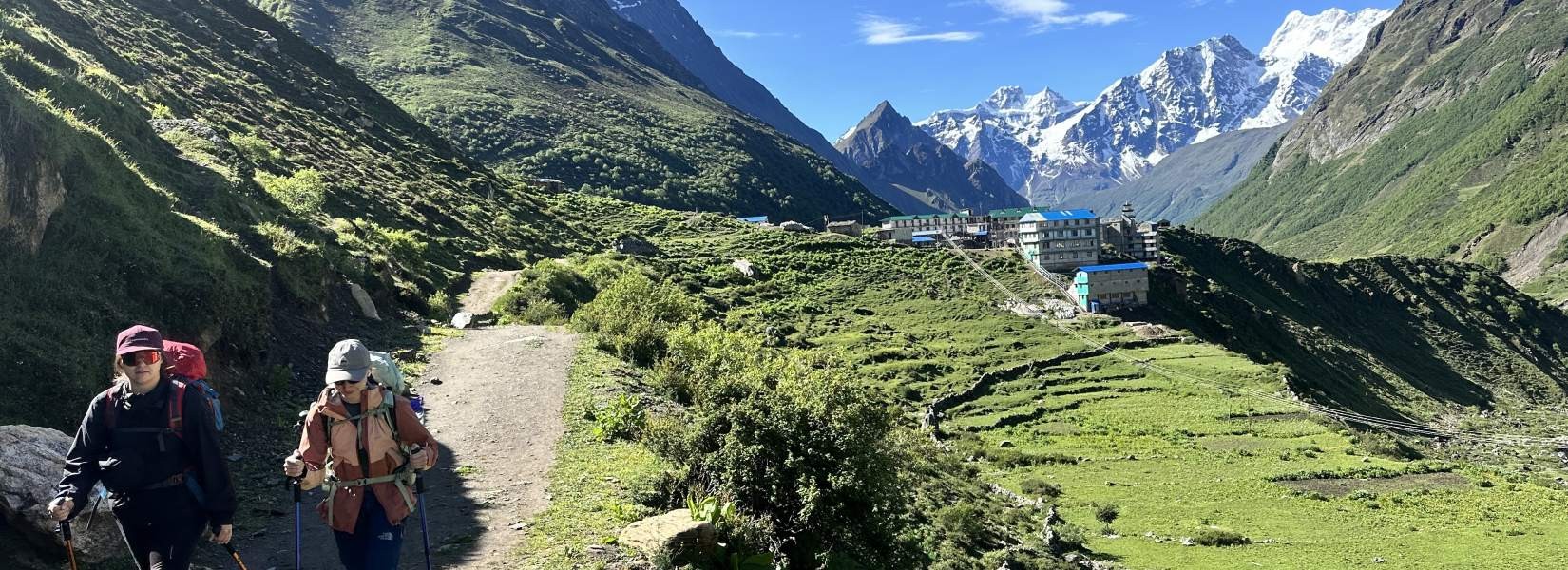
However — and this is the key point most people miss — not all of Nepal gets wet. Large portions of the northern Himalayan belt lie in what is called a rain shadow, meaning the mountains block the monsoon clouds before they arrive. These areas remain remarkably dry and open for trekking throughout June, July, and August.
What Actually Happens During Monsoon in Nepal?
Before deciding whether to trek, it helps to know what you're working with. Here's what the monsoon season actually looks like on the ground:
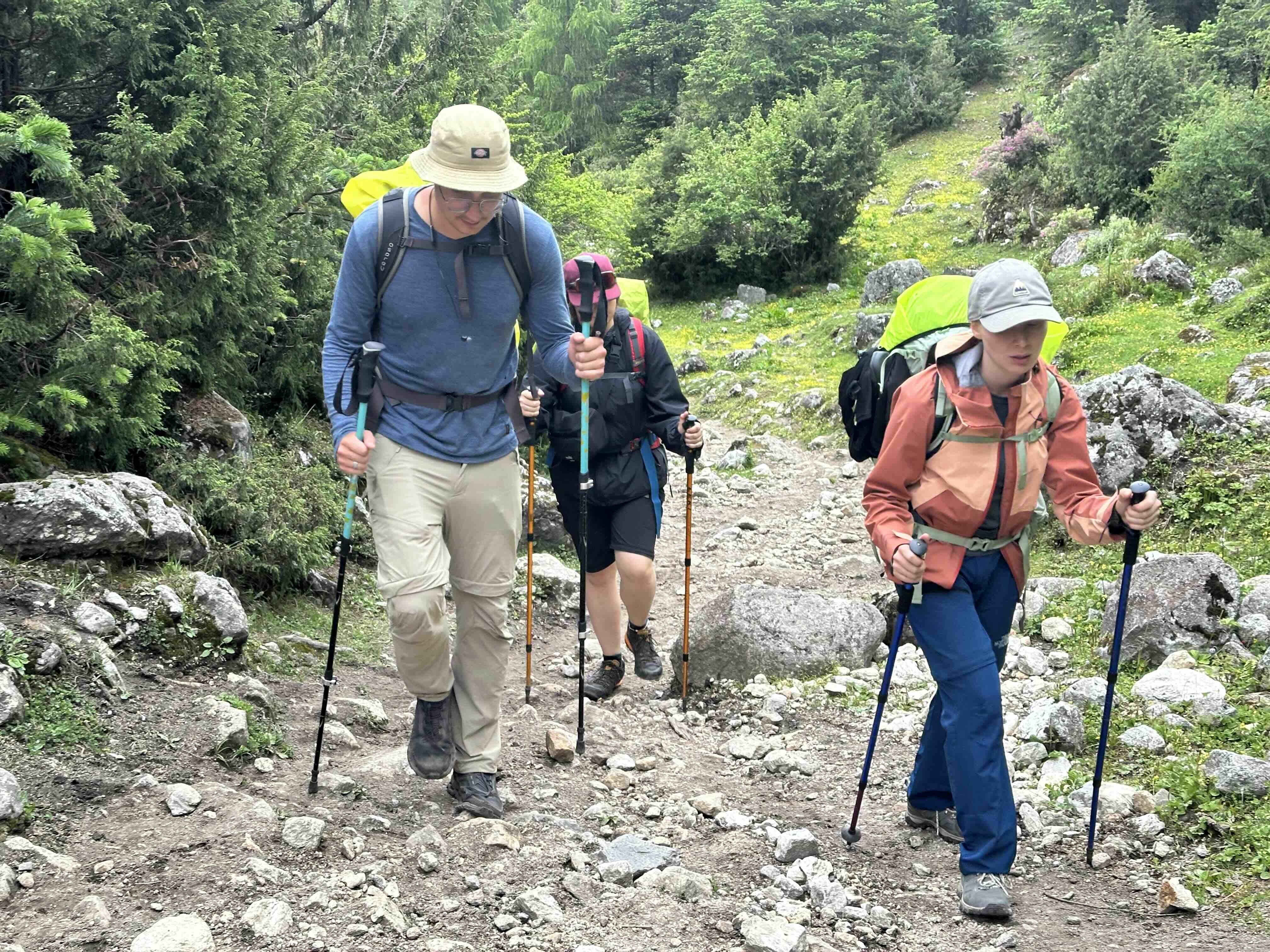
The trails in lower and mid-hill regions get slippery and muddy, and leeches become a real presence in forested areas below 3,000 metres. Landslides can block certain roads and trails, especially after heavy overnight rain. Cloud cover often obscures mountain views for days at a time in affected areas.
On the flip side, the landscape transforms into something breathtaking. Forests turn impossibly green, waterfalls cascade down every hillside, rice paddies glow in terraces, and the trails are wonderfully quiet. If you've ever wanted Nepal without the crowds, monsoon delivers exactly that.
The Truth: Is Monsoon Trekking in Nepal Safe and Practical?
Yes — with the right choices, it is both safe and deeply rewarding.
The key is destination selection. Trekkers who head to rain-shadow regions in northern Nepal experience minimal rainfall, clear skies, and some of the most dramatic high-altitude landscapes in the world. Those who venture into heavily affected areas without preparation may find the experience frustrating or genuinely risky.
Hiring a licensed guide is strongly recommended during monsoon. Guides know which trails are currently passable, can identify early signs of landslide risk, and navigate route changes confidently. With that support in place, monsoon trekking Nepal becomes a genuinely fantastic experience rather than a gamble.
Best Regions for Monsoon Trekking in Nepal
These are the destinations that make monsoon trekking not just possible, but outstanding.
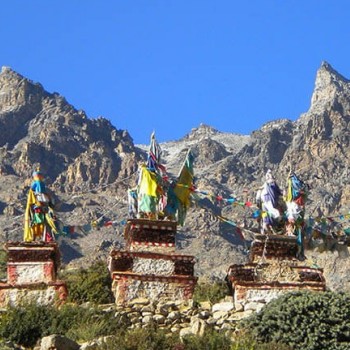
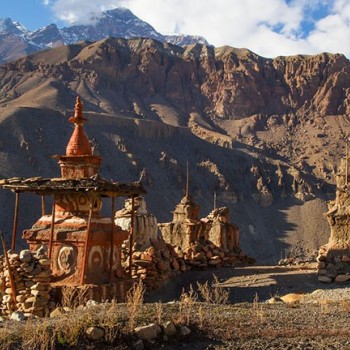
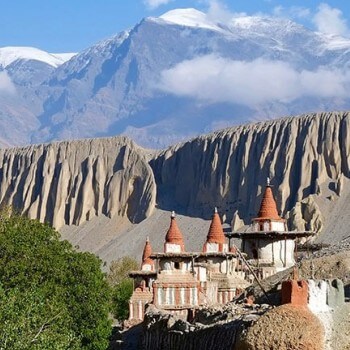
Upper Mustang is the gold standard for monsoon trekking in Nepal. Tucked behind the Annapurna and Dhaulagiri ranges, this ancient Tibetan kingdom receives almost no rainfall during the monsoon months. The landscape is an extraordinary mix of red cliffs, eroded canyons, whitewashed monasteries, and wind-carved rock formations. June to August is arguably the best time to visit.
Dolpo Region is another exceptional choice. Remote, culturally rich, and almost entirely free of monsoon rain, Dolpo offers trekkers a glimpse into one of the most isolated corners of the Himalayas. The Shey Phoksundo Lake trek here is among the most beautiful walks in all of Nepal.
Nar Phu Valley sits just north of the Annapurna Circuit and sits in the rain shadow. It features dramatic gorges, Tibetan-influenced villages, and high mountain passes. It sees very few visitors even in peak season, making it wonderfully peaceful in monsoon.
Limi Valley and Humla, in the far northwest of Nepal, are extremely remote and very dry during summer. These areas border Tibet and carry a strong Tibetan cultural identity. They are ideal for experienced trekkers looking for something truly off the beaten path.
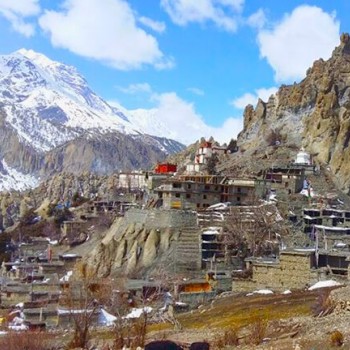
Manang, on the northern side of the Annapurna Circuit, is drier than the southern sections and remains suitable during monsoon. The landscape around Manang and toward Tilicho Lake is spectacular and largely unaffected by heavy rain.
If you're willing to trek with good gear and some flexibility, Mardi Himal and Pikey Peak in the Everest foothills can also be done during monsoon. The greenery on these routes is extraordinary, and the rain typically falls in the afternoons, leaving mornings clear.
Treks to Avoid During Monsoon Season
Being honest about risk is just as important as celebrating opportunity. The following treks are generally not recommended during June to August:
Annapurna Base Camp and Ghorepani Poon Hill sit in zones that receive heavy monsoon rainfall. Leeches are abundant on the forested trails below Ghorepani, and the paths can be dangerously slippery.
Everest Base Camp, specifically the lower section from Lukla to Namche Bazaar, passes through dense rhododendron and bamboo forest where leeches thrive and trails become very muddy. Flight cancellations to Lukla are also significantly more frequent during monsoon, which can seriously disrupt your itinerary.
Langtang Valley is prone to landslides during heavy rain and mountain views are often completely obscured by cloud cover for extended periods. It's best saved for spring or autumn.
Experential Monsoon Tour & Activities - The Guidebook That Don't Tell You
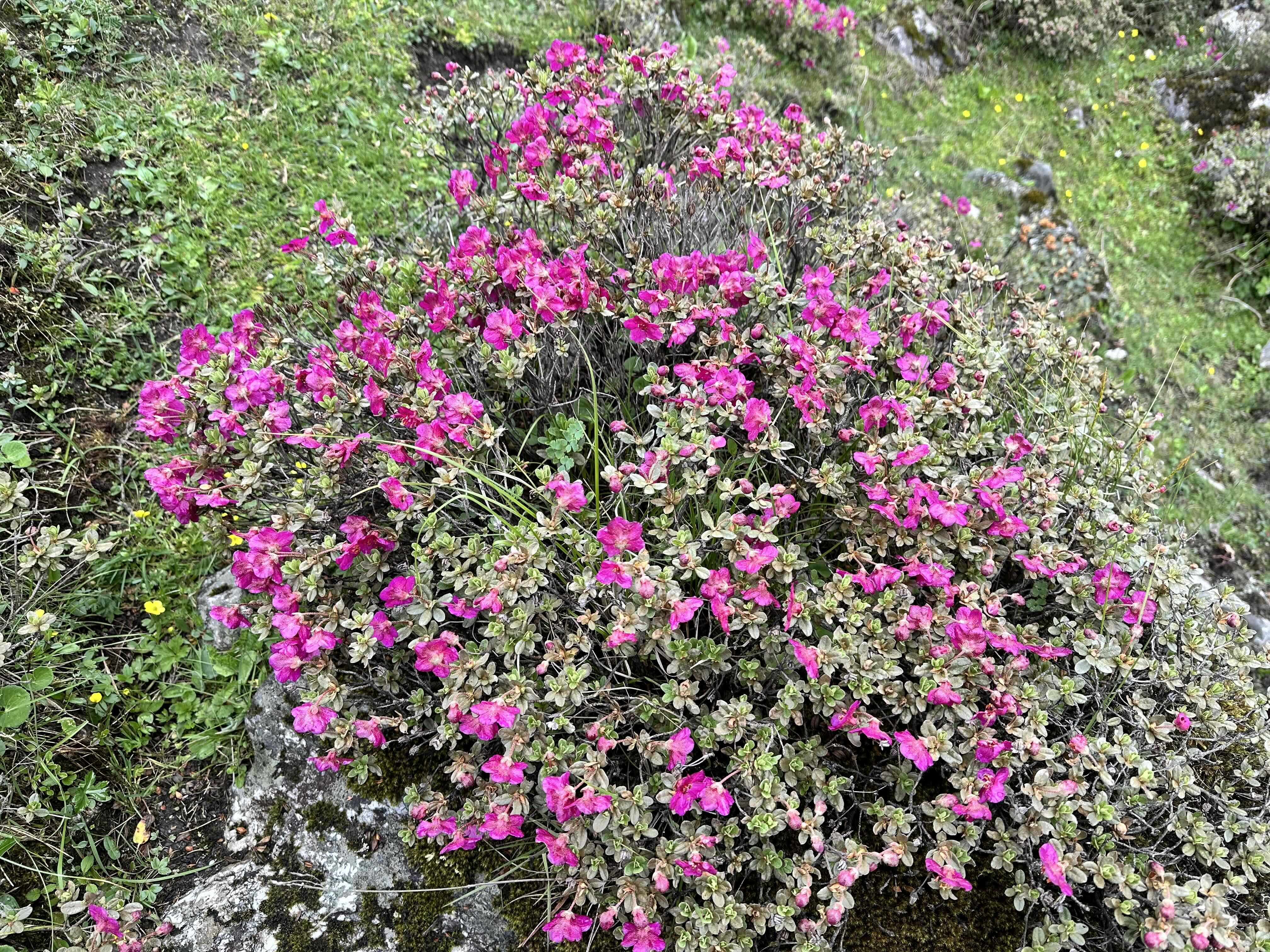
Nepal's monsoon season runs from June to September, transforming the country into a lush, emerald paradise. While many travelers avoid this period, those who visit discover a completely different side of Nepal — quieter trails, vibrant festivals, and landscapes so green they look almost unreal. Here's everything you can do to make the most of the monsoon season in Nepal.
Not all of Nepal gets drenched during monsoon. Regions like Upper Mustang, Dolpo, and Manang lie in the Himalayan rain shadow and receive very little rainfall. These areas are actually best visited during monsoon, when the skies are clear and the landscapes of dramatic desert valleys and ancient monasteries are at their most accessible. Trekking here during June to September is one of Nepal's best-kept secrets.
Visit Lush National Parks and Wildlife Reserves
Monsoon is a wonderful time to visit Nepal's lowland Terai region. Chitwan National Park and Bardia National Park become incredibly green and alive during the rains. Wildlife is abundant — rhinos, deer, and elephants are easily spotted near waterholes, and birdwatchers will be thrilled by the activity. Jungle safaris, canoe rides, and nature walks take on a magical quality when the forest is in full bloom.
Experience Nepal's Rich Festival Culture
Monsoon is arguably Nepal's most festive season. Some of the country's most important celebrations fall during these months. Teej, the women's festival of fasting and dancing, fills the streets with women in red saris. Janai Purnima sees Hindu men changing their sacred threads at holy sites like Gosaikunda Lake. Gai Jatra, the colorful and humorous cow festival, is celebrated across the Kathmandu Valley. Indra Jatra, one of Kathmandu's grandest street festivals, also falls near the end of the season. If you want to experience authentic Nepali culture, monsoon is the time.
Trek in Eastern Nepal
Eastern Nepal — including the Kanchenjunga and Makalu base camp routes — sees comparatively less rain than other parts of the country. The trails are less crowded, the greenery is extraordinary, and the whole experience feels deeply immersive and personal. If you are an experienced trekker looking for solitude and raw natural beauty, this is a great option during the rainy months.
Explore the Kathmandu Valley
The Kathmandu Valley is very manageable during monsoon. The rain usually comes in short afternoon bursts, leaving mornings and evenings clear and pleasant. This is a perfect time to visit the UNESCO World Heritage sites — Pashupatinath Temple, Boudhanath Stupa, Swayambhunath, and the ancient cities of Patan and Bhaktapur — without the dense tourist crowds of peak season. The monuments look especially beautiful against dramatic monsoon skies.
Visit Waterfalls and Natural Landscapes
Monsoon breathes life into Nepal's waterfalls and rivers. Jalbire, Devi's Fall in Pokhara, and countless unnamed cascades throughout the hills roar with power and beauty during this season. The hills around Pokhara and the Annapurna foothills turn a vivid green, and Phewa Lake swells and shimmers. Even a simple drive through the countryside becomes a scenic wonder.
Try Pottery, Cooking Classes, and Cultural Activities
If rain keeps you indoors, Nepal offers plenty to do. Bhaktapur is famous for its pottery tradition, and you can try your hand at the wheel. Cooking classes teaching traditional Nepali cuisine — dal bhat, momos, sel roti — are available in Kathmandu and Pokhara. Thangka painting workshops, meditation retreats, and yoga centers are also excellent ways to spend a rainy afternoon.
Enjoy the Food and Local Life
Monsoon brings fresh, seasonal produce to Nepal's markets. You will find wild mushrooms, fresh corn roasted on open fires, and seasonal greens everywhere. Sitting in a small teahouse with a cup of masala tea while rain falls outside is one of those simple, deeply satisfying Nepal experiences. The monsoon slows life down just enough to let you actually connect with the place and its people.
Tips for Visiting Nepal During Monsoon
- Carry a good rain jacket and waterproof bags for your gear.
- Leech socks are useful on forested trails.
- Book accommodation in advance during festival periods.
- Check trail conditions before heading into the hills, as landslides can sometimes block certain routes.
- Take advantage of significantly lower hotel rates and fewer tourist crowds.
Monsoon Nepal is not the Nepal most guidebooks describe, and that is exactly what makes it special. The country is alive, colorful, and deeply itself during these months. With a little preparation and an open mind, the rainy season can easily become the highlight of any Nepal journey.
Benefits of Monsoon Trekking That Most People Don't Know
Here's what the guidebooks don't always tell you.
The trails are genuinely peaceful. Monsoon strips away the crowds that fill popular routes in October and November, meaning you have teahouses to yourself, trails with no queue, and a more authentic connection with the mountain communities you pass through.
Accommodation and permits are cheaper. Hotel rates drop significantly across the board, and you'll often have your pick of rooms. For budget-conscious trekkers, monsoon is the most affordable time to be in Nepal.
The landscapes are at their most alive. The greens are richer, the waterfalls are fuller, and the air is clean and fresh after rain. Photographers often find monsoon Nepal more visually dramatic than any other season.
After rain breaks — especially in rain-shadow areas — the mountain views can be astonishingly clear. The dust and haze that sometimes obscure peaks in other seasons are completely washed away.
Monsoon is also farming season in Nepal. Trekking through villages during this time means witnessing local life at its most active — planting, festivals, community gatherings. It's a far more culturally immersive experience than trekking through a region full of other foreign visitors.
Challenges to Expect on the Trail
It's only fair to be upfront about what you'll face. Leeches are the most common complaint from monsoon trekkers in lower forested zones. They're harmless but unpleasant, and you should be prepared. Flight delays and cancellations are more frequent, so building buffer days into your itinerary is essential. Some days will bring persistent cloud cover with no mountain views at all. Trail surfaces in non-rain-shadow areas require careful footing, and certain sections may be temporarily closed after heavy rainfall.
None of these are dealbreakers — they're simply things to plan around.
Essential Tips for Trekking in Nepal During Monsoon
Wear quick-dry clothing and avoid cotton, which stays wet and causes chafing. Waterproof trekking boots and a waterproof backpack cover are non-negotiable. Carry salt or a diluted Dettol solution in a small spray bottle to deal with leeches — it causes them to release immediately. Leech-proof socks are also worth packing.
Always check weather forecasts before setting out each day. Use a licensed, experienced guide who knows current trail conditions. Keep your itinerary flexible, with contingency days built in for delays. Travel insurance that covers trek evacuation and flight disruption is strongly recommended.
Book accommodation in advance if you're trekking during major festival dates, as guesthouses in certain areas can fill up even during monsoon.
Final Verdict: Should You Trek in Nepal During Monsoon?
Absolutely — if you make smart choices.
Monsoon trekking in Nepal is ideal for adventurous trekkers who want fewer crowds and lower costs, photographers chasing dramatic green landscapes and powerful waterfalls, nature lovers who want to see the Himalayas at their most lush and alive, and anyone who wants a genuine, unhurried experience of mountain culture without the tourist rush.
The single best piece of advice is this: choose a rain-shadow trek. Upper Mustang, Dolpo, or Nar Phu will give you a monsoon experience that rivals any other season in Nepal — dry trails, clear skies, and a landscape that feels like it exists outside of time.
Ready to Plan Your Monsoon Trek?
Don't let uncertainty hold you back from one of the most unique trekking experiences in the world. Our team specializes in monsoon trekking Nepal itineraries tailored to your fitness level, interests, and travel dates. Whether you're drawn to the desert valleys of Upper Mustang or want a quieter walk through the green hills of Mardi Himal, we'll design the perfect route for you.
Get in touch today for a free consultation and custom monsoon trekking itinerary. The trails are waiting — even in the rain.