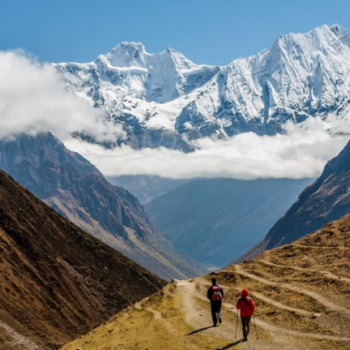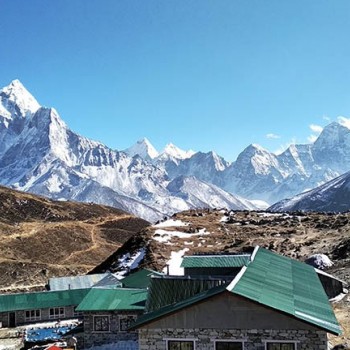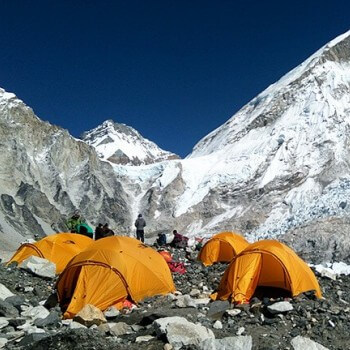

Nepal has no shortage of legendary treks, but two names consistently rise to the top of every serious trekker's bucket list: the Manaslu Circuit and the Everest Base Camp trek. Both are world-class adventures. Both will test your limits. But they are not the same kind of hard — and knowing the difference could be the most important research you do before lacing up your boots.
Table of Contents
Plan your trip to Nepal
Customize your trip with help from a local travel specialist.
This Manaslu Circuit vs Everest Base Camp Trek guide breaks down every major factor — altitude, distance, terrain, permits, crowds, and more — so you can figure out which trek actually matches your fitness level, experience, and travel style.
Manaslu Circuit Trek loops around the world's eighth highest mountain, Mount Manaslu (8,163 m), through remote villages, ancient monasteries, and dense Tibetan-influenced culture. The highest point is Larkya La Pass at 5,160 metres. It covers roughly 177 km over 14 to 18 days and passes through one of Nepal's most restricted trekking zones.
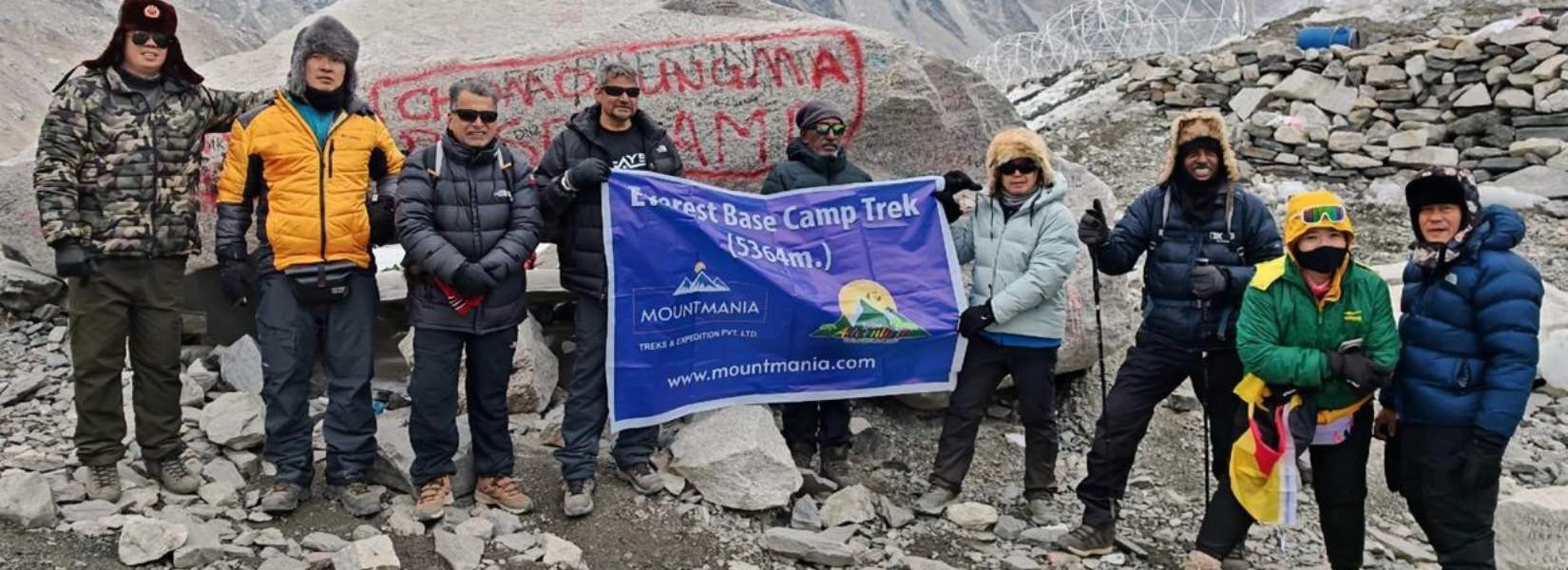
Everest Base Camp Trek (EBC) is the most famous trek in the world. It follows the Khumbu Valley to the foot of Mount Everest (8,849 m), reaching a high point of 5,364 metres at Everest Base Camp — or 5,545 metres if you summit Kala Patthar. It covers around 130 km over 12 to 14 days and is one of Nepal's most visited trekking routes.
Altitude: Who Goes Higher?
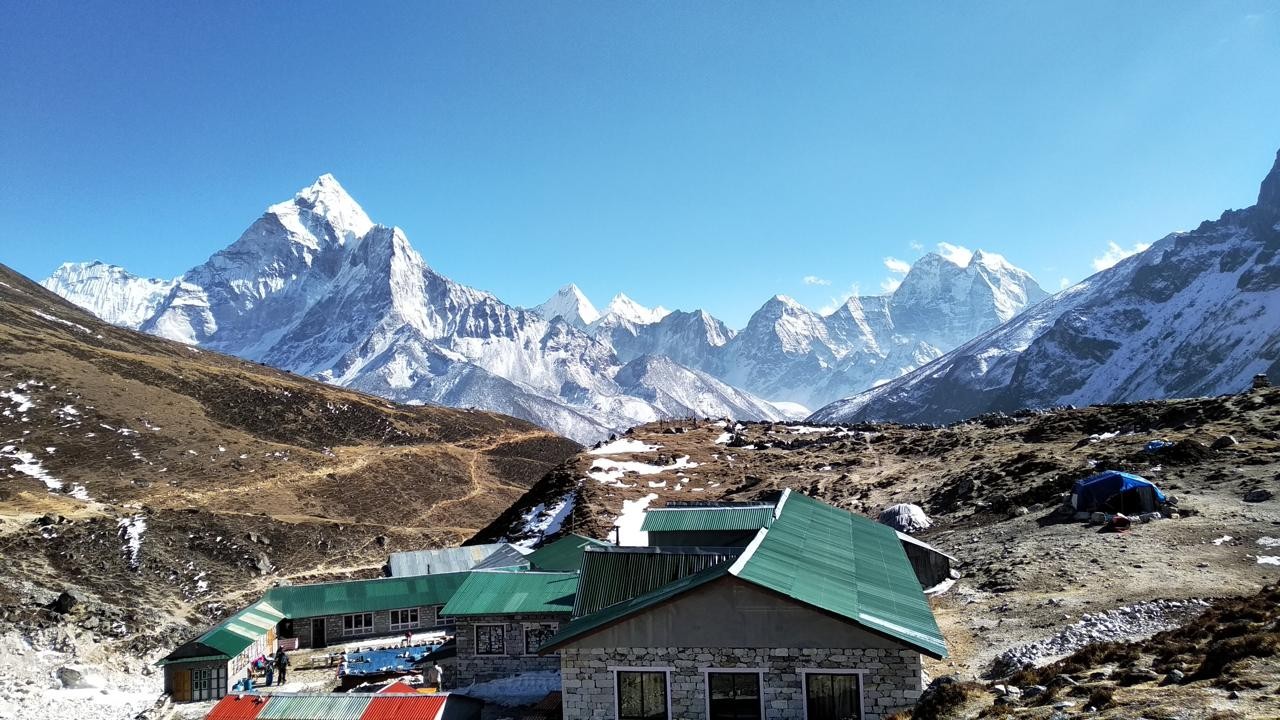
This is the first question most trekkers ask — and for good reason. Altitude sickness does not discriminate between experienced hikers and first-timers.
Everest Base Camp wins on maximum altitude. Reaching 5,364 metres at base camp and optionally 5,545 metres at Kala Patthar, the EBC trek pushes trekkers to heights where oxygen levels drop to roughly half of what they are at sea level. The risk of Acute Mountain Sickness (AMS), HACE (High Altitude Cerebral Edema), and HAPE (High Altitude Pulmonary Edema) is real and well-documented on this route.
Manaslu Circuit is no pushover. Larkya La Pass sits at 5,160 metres — still extremely high and demanding. But the overall altitude profile of the Manaslu Circuit gives trekkers a more gradual ascent over more days. The trail climbs steeply only in the final push to the pass, while the EBC trail spends more cumulative days at high altitude, including nights above 4,000 metres from Namche Bazaar onwards.
Verdict: EBC is harder from a pure altitude standpoint. You spend more nights at greater elevation, which significantly increases the risk and physical demand.
Terrain and Trail Difficulty
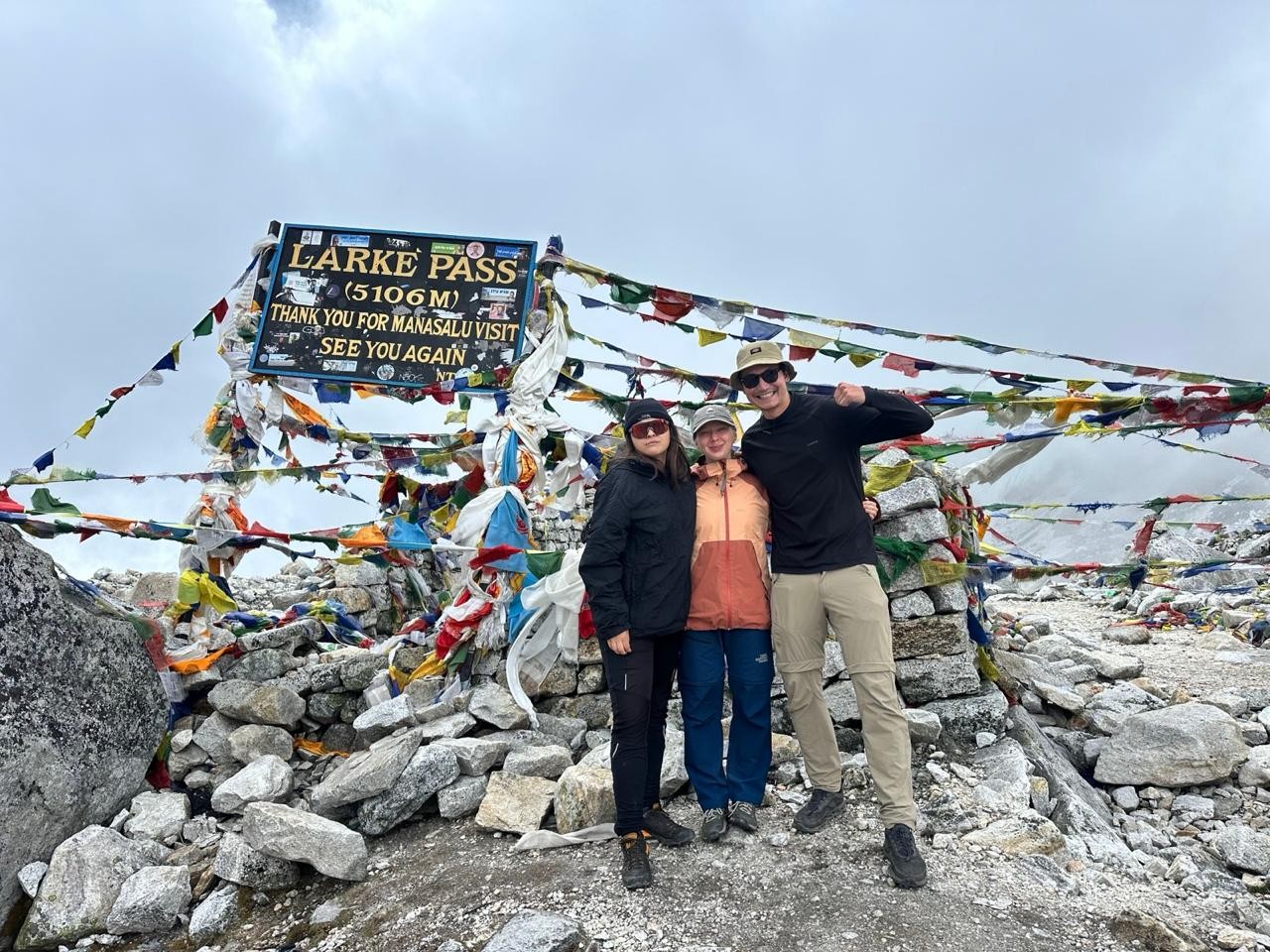
Altitude alone does not determine how hard a trek is. The ground beneath your feet matters just as much.
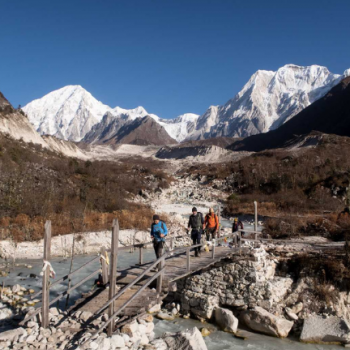
Manaslu Circuit terrain is genuinely rugged. Much of the trail is rocky, narrow, and poorly maintained compared to the EBC route. You cross multiple suspension bridges over raging glacial rivers, navigate landslide zones (especially in the Budhi Gandaki gorge), and tackle Larkya La Pass — a long, steep, and exposed crossing that typically begins at 2:00 or 3:00 AM to avoid afternoon snowfall and dangerous conditions. The descent from the pass is steep, icy in many sections, and physically punishing on the knees. Some trail sections require scrambling over boulders or wading through snow even in shoulder seasons.
EBC trail is more predictable but cumulatively demanding. The route from Lukla to base camp is well-trodden and clearly marked. However, the sheer number of consecutive high-altitude days, combined with rocky moraines near the base camp section and the steep climb to Kala Patthar, makes it exhausting in a slow-burn way. The trail from Gorak Shep to EBC is particularly rough — loose rocks, uneven surfaces, and glacial terrain that is disorienting even for experienced walkers.
Verdict: Manaslu has harder individual sections, particularly the Larkya La crossing. EBC has more sustained difficulty over consecutive days at altitude.
Distance and Daily Walking Hours
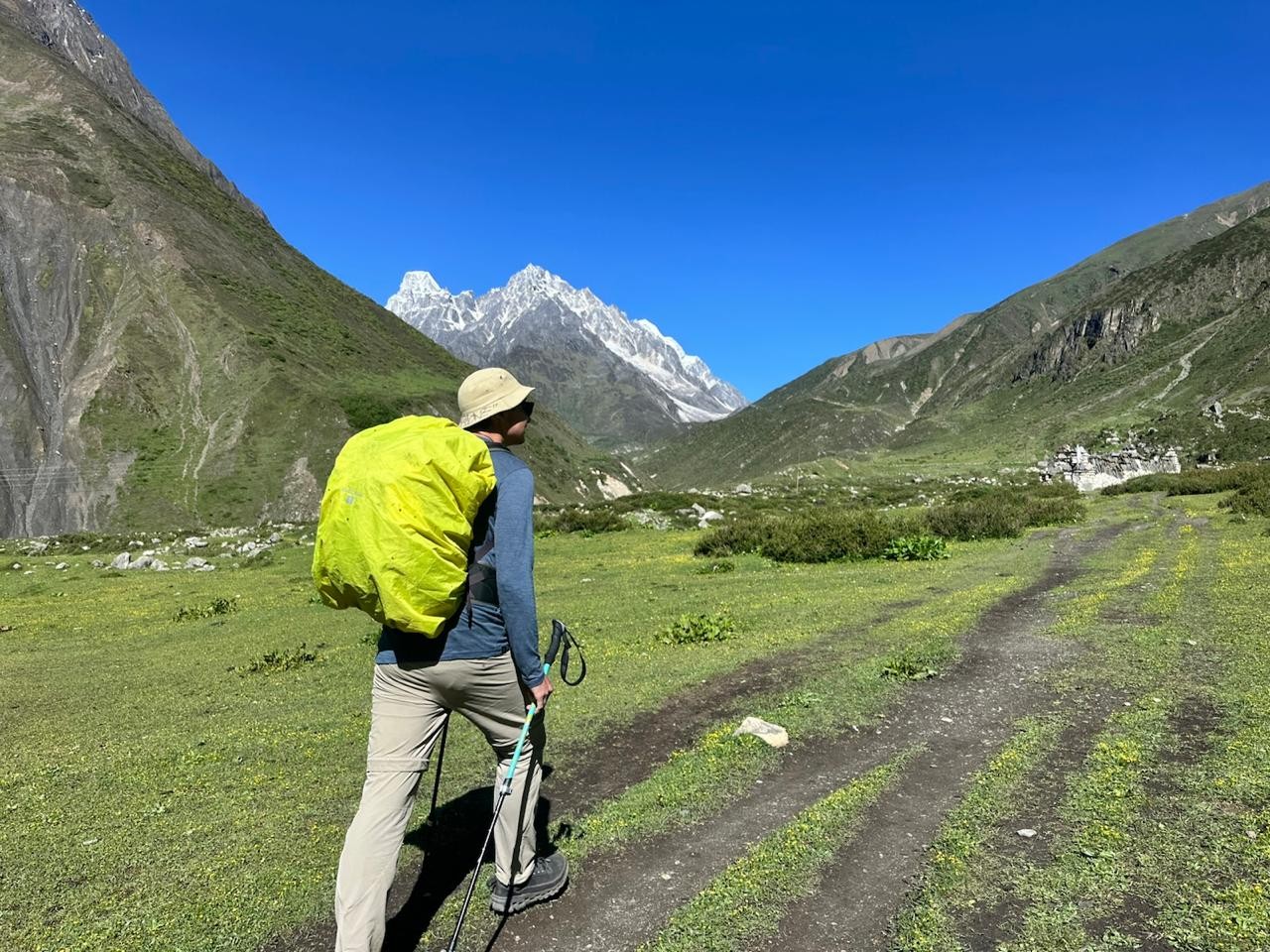
Manaslu Circuit: Approximately 177 km total. Daily walking averages 5 to 8 hours, with some shorter days built in for acclimatization. The Larkya La crossing day is the exception — expect 10 to 12 hours of walking in a single day.
EBC Trek: Approximately 130 km total. Daily walking averages 5 to 6 hours. The itinerary includes planned rest days at Namche Bazaar and Dingboche for acclimatization, which break up the physical effort.
Verdict: Manaslu is longer in distance and involves more cumulative walking time. For trekkers focused on endurance, Manaslu is the harder test.
Remoteness and Trail Infrastructure
This is where the two treks differ most dramatically — and where Manaslu's true challenge reveals itself.
Manaslu Circuit is remote by design. It falls within a restricted area managed by the Nepal government, meaning trekker numbers are intentionally limited. Tea houses along the route — especially between Samagaon, Samdo, and Dharamsala — are basic. Electricity is limited or unreliable. Charging devices often costs extra. Menus shrink dramatically as you gain altitude. In the upper sections, you are genuinely far from help. There are no paved roads, no helicopter rescue pads at every stop, and medical posts are sparse.
If something goes wrong on Manaslu — a bad fall, serious AMS, or injury on the pass — evacuation takes considerably more time and logistics than on EBC.
EBC is remote by comparison to daily life but well-serviced for a high-altitude trek. Namche Bazaar has ATMs, bakeries, gear shops, Wi-Fi, and a well-stocked medical clinic run by the Himalayan Rescue Association. Most tea houses along the route have hot showers, charging facilities, and reliable menus. Helicopter rescue services operate regularly and efficiently. This infrastructure makes EBC significantly more manageable when things go wrong.
Verdict: Manaslu is significantly more remote and less forgiving. For solo trekkers or those with limited high-altitude experience, this gap is critical.
Permits and Access
Manaslu Circuit requires multiple permits:
- Manaslu Restricted Area Permit (RAP) — varies by season
- Chumanuwri Rural Municipality Fee
- Manaslu Conservation Area Permit (MCAP)
- Annapurna Conservation Area Permit (ACAP) — for the final section to Dharapani
- You must trek with a registered guide
EBC requires:
- Sagarmatha National Park Permit
- Khumbu Pasang Lhamu Rural Municipality Entry Permit
- Individual trekking is permitted; guides are not legally mandatory but strongly recommended
Verdict: Manaslu has higher bureaucratic hurdles and mandatory guide requirements, which adds cost and planning complexity.
Crowds and Experience on the Trail
EBC is one of the busiest trekking routes on the planet. In peak season (March–May and September–November), Namche Bazaar feels like a mountain town on a holiday weekend. Tea houses book up weeks in advance. Popular viewpoints like Kala Patthar are crowded at sunrise. If solitude is part of your trekking goal, the EBC route during peak season will disappoint.
Manaslu Circuit offers rare peace. On most days above Arughat, you will encounter a fraction of the trekkers you would see on EBC. Villages feel genuinely off-the-beaten-path. The monasteries around Samagaon and Lho are culturally rich and unhurried. You are more likely to share a trail with yak herders and local traders than with large tourist groups.
Verdict: If you value solitude and raw experience, Manaslu wins. If you prefer the energy of a well-worn trail with fellow trekkers around, EBC is the better fit.
Physical Fitness Requirements
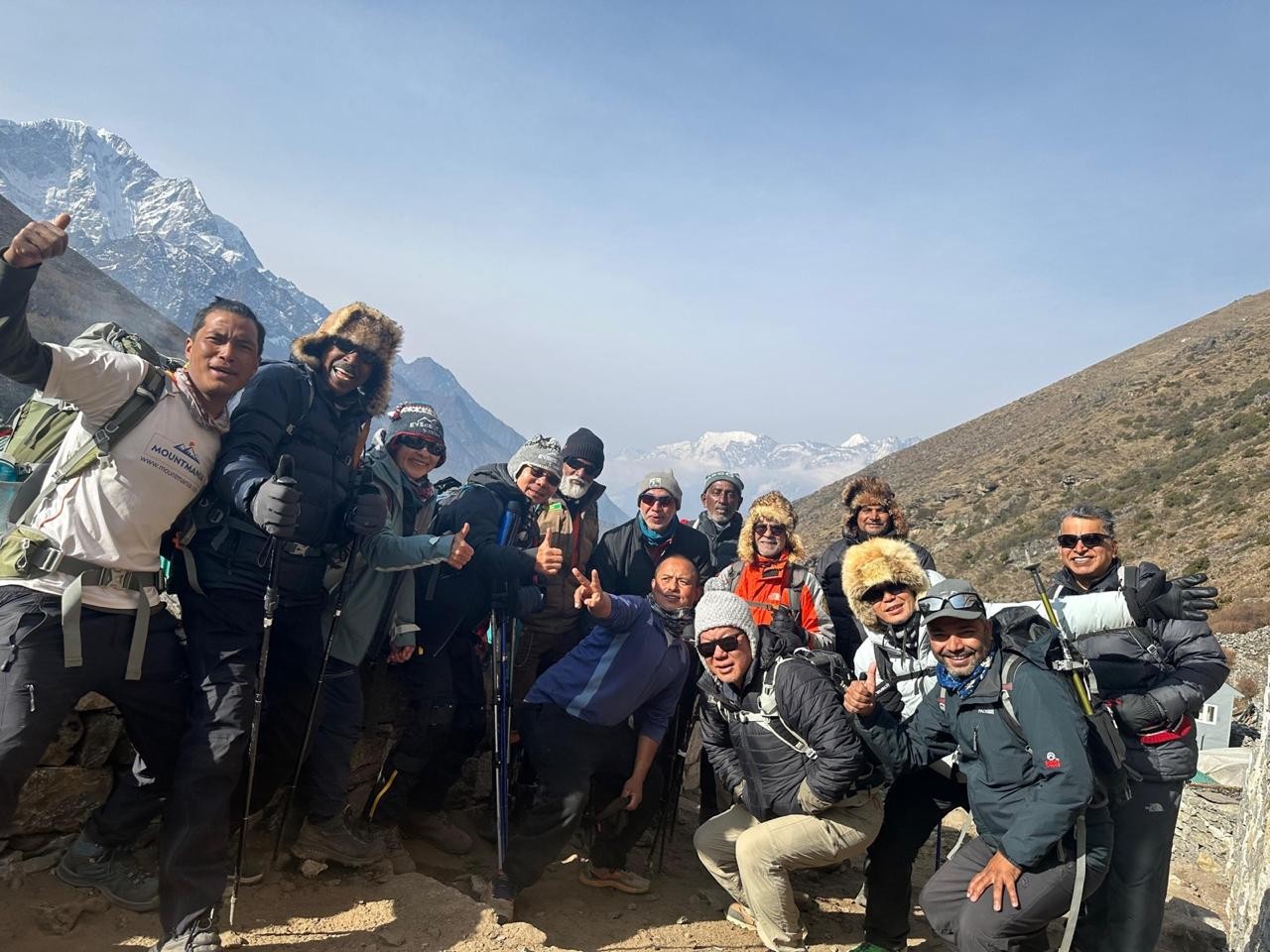
For EBC, a moderate to high level of fitness is required. You do not need to be a trained mountaineer, but you should be comfortable walking 5 to 6 hours a day on uneven terrain for two consecutive weeks. Prior trekking experience above 3,000 metres is helpful but not always necessary if your acclimatization schedule is conservative.
For Manaslu, a higher baseline fitness level is recommended. The longer distances, rougher terrain, high-altitude pass crossing, and remote conditions mean you should already have experience with multi-day trekking in the mountains. Prior experience above 4,000 metres is strongly advisable. The Larkya La day alone requires sustained cardiovascular effort at high altitude.
For group trekkers: On EBC, groups can better accommodate mixed fitness levels because the trail is gentler and infrastructure supports slower paces. On Manaslu, the group needs to be more evenly matched — a significantly slower member on Larkya La day can create safety risks for the entire team.
Verdict: Manaslu demands more physical preparation. EBC is the better starting point for first-time Himalayan trekkers.
Best Season to Trek
Both treks share the same two primary trekking windows:
- Pre-monsoon (Spring): March to May — clear skies, warmer temperatures, busy trail
- Post-monsoon (Autumn): September to November — excellent visibility, stable weather, most popular season
Manaslu in monsoon (June–August): Unlike EBC, the Manaslu Circuit is a viable option during the monsoon season because the Larkya La lies in a rain shadow zone. Upper Manaslu receives far less rainfall than the EBC route. This is a genuine advantage for trekkers who cannot travel during peak seasons — though lower sections of the trail can still be wet and leechy.
EBC in monsoon: Not recommended. The Khumbu valley receives significant rainfall, trails become muddy, views are obscured, and mountain risks increase.
Verdict: Manaslu offers more seasonal flexibility. EBC is strictly best in spring and autumn.
Cost Comparison
EBC total cost for an independent trekker (excluding flights) typically ranges from USD 1,200 to 2,500 depending on tea house choices, guide and porter fees, and extras. No mandatory guide means budget options exist.
Manaslu Circuit tends to cost USD 1,500 to 2,800 because of mandatory guide fees, restricted area permit costs, and the more expensive food and accommodation in remote sections. Prices in upper Manaslu villages reflect the difficulty of supply chains — a simple dal bhat can cost 2 to 3 times what you pay in Kathmandu.
Verdict: Manaslu is modestly more expensive when all mandatory costs are factored in.
Manaslu Circuit Vs Everest Base Camp Summary Table
| Factor | Manaslu Circuit | Everest Base Camp |
|---|---|---|
| Maximum Altitude | 5,160 m (Larkya La) | 5,364–5,545 m (EBC/KP) |
| Distance | ~177 km | ~130 km |
| Duration | 14–18 days | 12–14 days |
| Trail Difficulty | High (rough, remote) | Moderate–High (sustained) |
| Remoteness | Very High | Moderate |
| Crowds | Low | Very High |
| Guide Required | Yes (mandatory) | Recommended |
| Seasonal Flexibility | High (monsoon possible) | Low |
| Infrastructure | Basic | Well-developed |
| Average Cost | Higher | Moderate |
| Best For | Experienced trekkers | All levels with preparation |
So, Which Trek Is Actually Harder?
Here is the honest answer: they are hard in different ways, and the harder one depends entirely on what challenges you most.
Manaslu Circuit is objectively harder for most trekkers because:
- It covers more distance over more demanding terrain
- The Larkya La crossing is a physically and mentally gruelling single-day effort
- Its remoteness means less margin for error
- Infrastructure is limited, and help is further away
- It demands consistent fitness across more days
Everest Base Camp is harder if:
- You are highly sensitive to altitude (EBC keeps you higher for longer)
- The psychological weight of the world's most famous mountain and its history adds pressure
- You struggle with crowds and the social stress of busy trails
Final Decision: Which Trek Should You Choose?
Choose Manaslu Circuit if:
- You have prior trekking experience above 4,000 metres
- You want fewer crowds and a more authentic, culturally rich experience
- You are a solo trekker or in a fit, experienced group comfortable with remote conditions
- You are flexible on travel dates and open to monsoon trekking
- You want a physical challenge that will genuinely test your endurance
Choose EBC if:
- This is your first major Himalayan trek
- You are trekking with a group of mixed fitness levels
- You want the iconic Himalayan experience with reliable infrastructure and rescue services nearby
- You want to stand in the shadow of Everest — an experience that Manaslu, for all its beauty, simply cannot replicate
- You prefer a route where help, supplies, and fellow trekkers are always close
For the truly adventurous: Consider doing both. Many experienced trekkers complete EBC first, build Himalayan knowledge and confidence over a season, and return for Manaslu the following year. The two treks complement each other beautifully — one iconic, one raw; one crowded, one quiet; one that shows you the summit of the world, the other that lets you truly disappear into the mountains.
Whichever you choose, prepare well, respect the altitude, listen to your body, and move slowly. Nepal's mountains have been humbling confident trekkers for decades — and that is exactly why we keep coming back.
Plan Your Trek with Local Experts
At Mount Mania, we specialize in both treks with experienced local guides, flexible itineraries, and safety-first planning. Whether you choose Everest or Manaslu, we’ll help you make it safe, memorable, and perfectly organized. Contact us today to customize your trek in Nepal.

Rupak Parajuli
Send an Enquiry
Plan your trip to Nepal
Customize your trip with help from a local travel specialist.