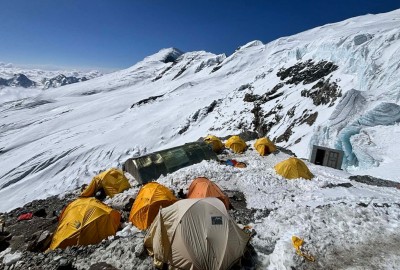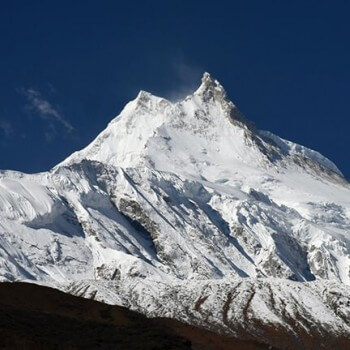

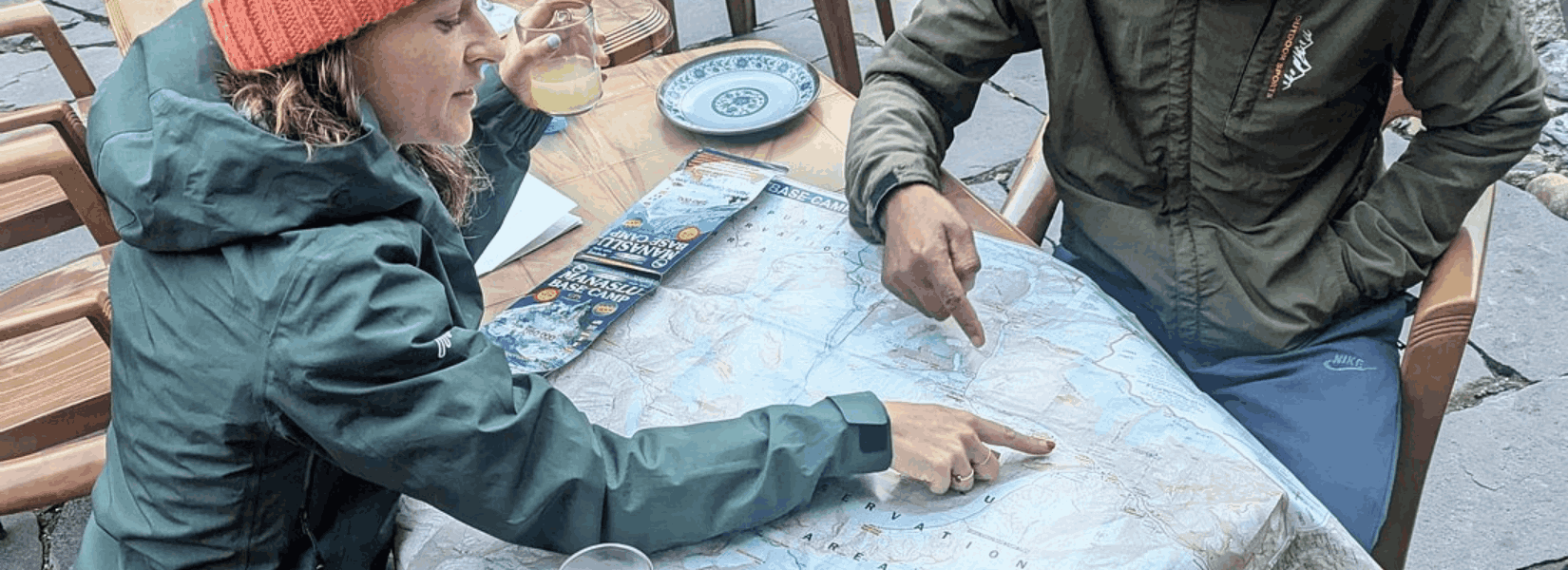
One of the most practical questions trekkers ask before starting the Manaslu Circuit Trek is: “How much cash should I carry?” This question may sound simple, but for a remote trekking route like Manaslu, cash planning is a very important part of your preparation. The Manaslu Circuit is not like Kathmandu, Pokhara, or even the busier Everest and Annapurna trekking routes where ATMs, card payments, and digital wallets are more common. Once you leave Kathmandu and begin the journey toward Machha Khola, Jagat, Deng, Namrung, Samagaun, Samdo, Dharamshala, and Larkya La Pass, most payments are still made in Nepali Rupees cash.
Table of Contents
Plan your trip to Nepal
Customize your trip with help from a local travel specialist.
While researching real questions from trekkers on Reddit, Facebook trekking groups, Quora-style Q&A discussions, and trekking forums, one thing becomes clear: trekkers are not only asking how much cash to carry, but also whether ATMs work, whether USD is accepted, how much food costs, why prices increase with altitude, and how much emergency money they should keep separately. This article answers those real concerns in a practical way so you can prepare better before starting the Manaslu Circuit Trek.
Why Cash Matters on the Manaslu Circuit Trek
Cash matters on the Manaslu Circuit because the route passes through remote mountain villages where banking services, card machines, and reliable internet are limited. The Manaslu Conservation Area includes remote settlements and mountain communities, and the official conservation project highlights that tourism development in the area is closely connected with local community benefit and sustainable management.
This means trekkers should not expect the same level of payment convenience they find in cities. Most tea houses, small shops, local kitchens, and lodges along the trail prefer direct cash payment in Nepali Rupees. Even if a place says online payment is possible, weak internet, power cuts, or mobile network issues can make it unreliable. In simple words, cash gives you freedom on the trail. You will need it for tea, coffee, snacks, hot showers, charging, Wi-Fi, boiled water, toilet paper, tips, and emergency expenses.
How Much Cash Should You Carry for the Manaslu Circuit Trek?
Many trekkers search Reddit and trekking communities asking how much cash is enough for the Manaslu Circuit Trek. In one Reddit discussion about Manaslu Circuit costs, the estimated food and drinks budget is listed around USD 10–20 per day, while basic teahouse accommodation is estimated around USD 5–15 per night, depending on the location and season. Another Reddit discussion about Himalayan trekking mentions that food can cost roughly USD 5–10 per meal, with prices increasing as trekkers gain altitude.
Based on these real trekker-style budget discussions and the practical reality of the Manaslu route, most trekkers should carry around NPR 40,000 to NPR 60,000 in cash for a standard 12 to 14-day Manaslu Circuit Trek, especially if their package already includes guide, permits, accommodation, meals, and transport. This amount is not the full trek cost. It is the personal cash you keep for extras such as hot showers, Wi-Fi, phone charging, snacks, drinks, tips, and emergency situations.
Budget trekkers may spend less if they avoid alcohol, bakery items, frequent Wi-Fi, and hot showers. Comfort trekkers may need more if they regularly buy coffee, soft drinks, desserts, beer, extra snacks, private rooms where available, or additional services. The safest rule is simple: carry slightly more than you think you need. Returning to Kathmandu with extra cash is much better than running short in a remote mountain village.
Are There ATMs on the Manaslu Circuit Trek?
Many trekkers ask in Facebook trekking groups whether they can withdraw money during the Manaslu trek. The honest answer is: do not depend on ATMs once the trek begins. Some lower towns may have banking services or limited cash access, but these should not be treated as reliable trekking infrastructure. ATMs may be out of service, out of cash, disconnected from the network, or unable to process international cards.
A recent trekking blog focused on Manaslu food, drinks, and accommodation also notes that trekkers should carry enough cash because ATMs and card payments are not available along the trail. Therefore, the best place to withdraw money is Kathmandu before departure. If you are continuing toward Annapurna after crossing Larkya La or planning extra travel after the trek, arrange your cash before leaving the city.
Should You Carry Nepali Rupees or US Dollars?
Trekkers often ask on Quora-style travel discussions and Nepal travel forums whether they should carry US dollars or Nepali Rupees. The practical answer is that for daily spending on the Manaslu trail, you should carry Nepali Rupees. US dollars can be useful as backup money in Kathmandu or for emergency exchange, but local tea houses and small shops in the Manaslu region usually expect payment in NPR.
You should also carry smaller notes. NPR 100, NPR 500, and NPR 1,000 notes are easier to use than very large bills. Remote shops and tea houses may not always have enough change, especially in smaller villages. Carrying smaller notes makes it easier to pay for tea, snacks, charging, hot showers, and other daily expenses without causing inconvenience to local lodge owners.
How Much Should You Budget Per Day on the Manaslu Trek?
A realistic daily personal spending budget for the Manaslu Circuit Trek is around NPR 2,500 to NPR 5,000 per day, depending on what your package includes and how you like to travel. If your meals and accommodation are already included, you may spend less because your major costs are covered. In that case, your daily cash will mostly go toward tea, coffee, snacks, charging devices, Wi-Fi, hot showers, boiled water, and small personal items.
If your package does not include meals and accommodation, your daily budget should be higher. A Manaslu cost discussion on Reddit estimates food and accommodation for the trek separately, while another Manaslu budget breakdown gives accommodation and meals as a major cost category for independent or semi-independent trekkers. A Nepal trekking cost guide also estimates daily food and teahouse accommodation on Manaslu around USD 25–40 per person, with costs rising near higher altitude areas such as Larkya Pass.
This is why trekkers should avoid making a very tight cash plan. If you like extra tea, coffee, chocolate, soft drinks, hot showers, and internet access, your daily spending can rise quickly.
Why Do Food and Drinks Become Expensive on the Manaslu Trek?
Many trekkers ask online why food and drinks are expensive on remote Nepal treks. The reason is simple: transportation. Food, gas, bottled drinks, snacks, and supplies must be carried into mountain villages through difficult terrain. As the route climbs higher, transportation becomes harder, and prices naturally increase.
A Reddit discussion about Himalayan trekking mentions that food prices tend to increase as trekkers gain altitude. A Manaslu food and accommodation guide also explains that teahouse prices depend on location and facilities, and costs may increase as you climb higher because of remoteness and transportation challenges.
So when a cup of tea, a plate of dal bhat, bottled water, noodles, pancakes, soup, or chocolate costs more in Samagaun, Samdo, or Dharamshala than in lower villages, it is not simply because tourists are being charged more. It reflects the real cost of bringing supplies into remote Himalayan settlements.
Are Tea House Rooms Cheap on Manaslu?
Tea house rooms on the Manaslu Circuit are usually basic and relatively affordable, but trekkers should understand how the system works. Many lodges keep room prices low because they expect trekkers to eat dinner and breakfast at the same lodge. This is common in Nepal’s trekking regions, where lodge owners often earn more from food than from the room itself.
A Reddit discussion about food budgets for trekking in Nepal mentions the common teahouse model where accommodation is closely connected with buying meals at the lodge. For trekkers, this means you should not only think about the bed price. Your total daily expense includes dinner, breakfast, tea, charging, Wi-Fi, hot showers, and other small services. Eating where you sleep is also good trekking etiquette because it supports local families who operate lodges in difficult mountain conditions.
Also Read: Manaslu Circuit Trek Map with Distance
What Hidden Costs Should Trekkers Prepare For?
Hidden costs are one of the biggest reasons trekkers spend more than expected on the Manaslu Circuit Trek. Many people calculate only meals and accommodation but forget about the small extras that appear every day. These may include phone charging, camera battery charging, power bank charging, Wi-Fi, hot showers, boiled water, toilet paper, snacks, soft drinks, extra blankets, laundry, and tips for guides and porters.
On longer treks, these small costs add up quickly. For example, a cup of tea here, phone charging there, a hot shower after a cold day, and snacks in the evening can slowly increase your total spending. This is why carrying only the exact amount you calculated is risky. A comfortable cash buffer is always better, especially in a remote region like Manaslu.
How Much Emergency Cash Should You Carry?
Every trekker should carry emergency cash separately. For the Manaslu Circuit Trek, keep at least NPR 10,000 to NPR 20,000 as emergency reserve money. This should not be used for normal tea, snacks, or Wi-Fi. Keep it only for unexpected situations such as weather delays, transportation changes, illness, altitude-related rest days, extra accommodation, or route adjustments.
The need for flexibility is real in Nepal’s high mountains. In October 2025, heavy snowfall affected several Himalayan trekking areas, including Annapurna, Manaslu, and Dhaulagiri, and authorities warned hikers not to continue in dangerous conditions. This kind of situation shows why trekkers should always keep backup cash and extra time in their plan.
Does Manaslu Require More Cash Planning Than Annapurna?
Manaslu usually requires more careful cash planning than Annapurna because it is more remote, less commercialized, and has fewer service options. Annapurna has more villages, more trekkers, more lodges, and generally easier access to supplies and services. Manaslu is quieter and more traditional, which is part of its beauty, but that also means trekkers should prepare better.
Manaslu is also a restricted trekking area. The Department of Immigration states that trekking in restricted areas requires a permit, and NTNC’s permit portal notes that special permits are required for designated restricted areas in the Manaslu Conservation Area. Permit rules may be handled before the trek through your trekking agency, but the restricted and remote nature of the route is another reason trekkers should not depend on last-minute cash access.
Recommended Cash for Different Types of Trekkers
Budget Trekkers
Budget trekkers who have already booked a package including guide, permits, meals, accommodation, and transport may manage with around NPR 30,000 to NPR 40,000 for personal spending and emergency backup. This works best for trekkers who are comfortable with simple meals, basic rooms, limited internet, fewer hot showers, and fewer snacks. However, even budget trekkers should not skip emergency cash because mountain conditions can change quickly.
Standard Trekkers
Most trekkers should carry around NPR 40,000 to NPR 60,000. This is the safest and most practical recommendation for a normal 12 to 14-day Manaslu Circuit Trek with an organized trekking company. This amount gives enough flexibility for tea, coffee, snacks, charging, Wi-Fi, occasional hot showers, tips, and unexpected expenses.
Comfort Trekkers
Comfort trekkers should carry NPR 60,000 to NPR 80,000 or more, depending on their travel style. If you prefer regular hot showers, Wi-Fi, coffee, bakery items, soft drinks, extra snacks, and more personal comfort, your daily expenses will be higher. Comfort always becomes more expensive as you gain altitude, so carrying extra cash is a wise decision.
Simple Cash Breakdown for the Manaslu Circuit Trek
For a standard 12 to 14-day trek, a practical cash plan can look like this:
Daily personal expenses: NPR 25,000 to NPR 35,000 for tea, snacks, drinks, charging, Wi-Fi, boiled water, and hot showers.
Emergency reserve: NPR 10,000 to NPR 20,000 for delays, illness, transport changes, extra nights, or route adjustments.
Tips for guide and porter: Keep a separate amount depending on service quality, group size, and trekking duration.
Extra comfort spending: Add more if you plan to buy alcohol, desserts, frequent Wi-Fi, regular hot showers, or private rooms where available.
This breakdown works because it separates your normal spending from your emergency money. Many trekkers make the mistake of treating all cash as spending money. Instead, keep emergency cash separate and avoid touching it unless necessary.
Smart Money Tips Before Starting the Trek
Withdraw enough cash in Kathmandu before leaving for the trailhead. Carry mostly NPR 500 and NPR 1,000 notes, along with some NPR 100 notes for small purchases. Divide your cash into different places instead of keeping everything in one wallet. Use waterproof zip bags to protect money from rain, sweat, snow, and moisture. Bring some snacks from Kathmandu because trail snacks become more expensive at higher elevations. Carry a reusable water bottle and purification tablets or a filter system to reduce bottled water costs. Also carry a good power bank so you do not need to pay for charging every day.
These small habits can save money and reduce stress during the trek.
Final Answer: How Much Cash Is Enough for Manaslu Trek?
For most trekkers, the safest recommendation is to carry NPR 40,000 to NPR 60,000 in cash for a standard Manaslu Circuit Trek if your main package already includes guide, permits, meals, accommodation, and transport. If meals and accommodation are not included, carry more. If you are adding Tsum Valley, trekking more than 14 days, traveling in peak season, or choosing a comfort-style trek, increase your cash budget.
The Manaslu Circuit is beautiful because it is remote, peaceful, culturally rich, and less commercialized. But that same remoteness means trekkers must be financially prepared before leaving Kathmandu. Do not rely on ATMs, cards, or online payments on the trail. Carry enough Nepali Rupees, keep emergency money separate, and plan your daily expenses realistically. In the mountains, cash is not just convenience; it is security.
Plan Your Manaslu Trek with Mount Mania
The Manaslu Circuit Trek rewards prepared trekkers with dramatic mountain views, peaceful trails, Tibetan-influenced villages, deep river valleys, high suspension bridges, and the unforgettable crossing of Larkya La Pass. But good preparation matters, especially when it comes to permits, restricted-area rules, transport, altitude safety, accommodation, food costs, and cash planning.
At Mount Mania, we help trekkers prepare for the Manaslu Circuit Trek with clear guidance, honest advice, local expertise, and well-planned itineraries. Whether you are looking for a classic Manaslu Circuit Trek, a Tsum Valley and Manaslu combination, a private guided trek, or a group joining departure, our team can help you understand the real costs before you start. With proper planning, the right cash budget, and a reliable local team, your Manaslu adventure becomes safer, smoother, and more enjoyable.

Rupak Parajuli
Send an Enquiry
Plan your trip to Nepal
Customize your trip with help from a local travel specialist.