
When planning a trek through the Himalayas, one of the most important decisions you'll make isn't just which route to take, but where you'll rest your head at night. Nepal offers two distinctly different accommodation experiences: the increasingly popular monastery stays and the classic teahouse trek. Each offers its own flavor of mountain life, and the "better" choice really depends on what kind of journey you're seeking.
Table of Contents
Plan your trip to Nepal
Customize your trip with help from a local travel specialist.
The Monastery Stay: Immersion in Spiritual Tranquility

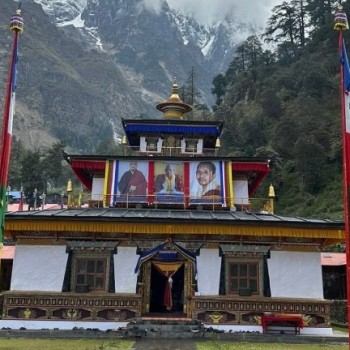
Staying in a Buddhist monastery transforms your trek from a physical journey into something deeper. These ancient structures, perched on mountainsides with prayer flags snapping in the wind, offer travelers a chance to step into a world that has remained largely unchanged for centuries.
What to Expect
Monastery accommodations are typically simple and austere. You might sleep in a basic room with shared facilities, wake to the haunting sound of morning prayers, and share meals with monks in training. Some monasteries welcome guests as part of their tradition of hospitality, while others offer more structured volunteer or cultural exchange programs.
The rhythm of monastery life is meditative. You'll wake early, perhaps join morning chanting if invited, help with simple tasks, and spend evenings in quiet reflection. Meals are usually vegetarian, often served communally, and there's minimal electricity. Your phone will likely stay tucked away.
The Experience
This option appeals to travelers seeking cultural depth over comfort. You'll gain genuine insight into Tibetan Buddhism, learn about monastic life firsthand, and form connections that transcend the typical tourist experience. Many travelers describe monastery stays as the spiritual highlight of their Nepal journey, a chance to slow down and truly absorb the mountain culture.
However, monastery stays require flexibility and cultural sensitivity. You'll need to respect rules about dress, behavior, and participation in daily routines. Language barriers can be significant, and amenities are minimal.
The Teahouse Trek: The Social Mountain Experience
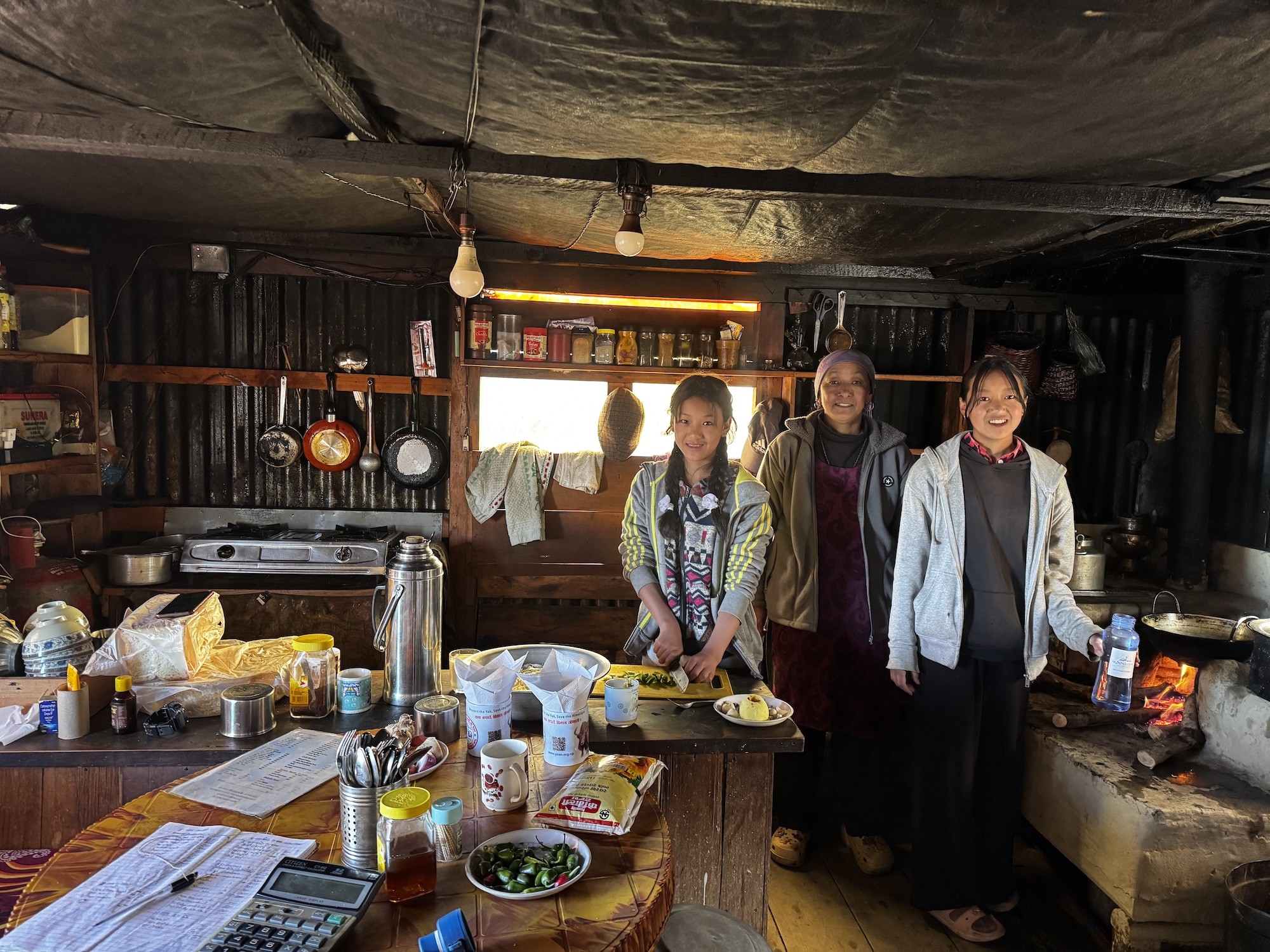
Teahouses are the backbone of Nepal's trekking industry, a network of family-run lodges that line the country's most popular trekking routes. What began as simple shelters offering tea and basic food has evolved into a sophisticated system that makes multi-day treks accessible to almost anyone.
What to Expect
Teahouse accommodations vary from rustic mountain huts to surprisingly comfortable lodges with hot showers, wifi, and extensive menus. You'll typically get a private room with twin beds (though walls may be thin), share bathroom facilities, and gather in a communal dining hall warmed by a central stove.
The teahouse experience is inherently social. Each evening, trekkers from around the world gather to share stories over dal bhat or pizza (yes, really), compare notes on the day's trek, and plan tomorrow's route. The atmosphere is warm, convivial, and supportive.
The Experience
Teahouse trekking offers maximum flexibility. You can trek independently without carrying camping gear, adjust your itinerary based on weather or how you're feeling, and choose your comfort level. Feeling strong? Push on to the next lodge. Need rest? Stay an extra day. Most popular routes like the Annapurna Circuit and Everest Base Camp have teahouses spaced every few hours.
You'll also form genuine connections with lodge owners and their families, many of whom have run their teahouses for generations. These relationships offer cultural insight while maintaining appropriate boundaries, making it comfortable even for solo travelers or those new to Nepal.
So Which Is Better?
The honest answer is that they serve completely different purposes, and the "better" choice depends entirely on what you're seeking from your Nepal experience.
Choose a monastery stay if you:
- Want deep cultural and spiritual immersion
- Value authentic experiences over comfort
- Are comfortable with uncertainty and minimal amenities
- Seek quiet reflection and meditation
- Have time to stay in one place for several days
- Are interested in Buddhism and monastic life
Choose teahouse trekking if you:
- Want to cover significant distance and see diverse landscapes
- Appreciate the social aspect of travel
- Value flexibility in your itinerary
- Prefer having options for comfort and amenities
- Are trekking popular routes like Annapurna or Everest Base Camp
- Want a structured but independent trekking experience
The Best of Both Worlds
Here's a secret many seasoned Nepal travelers have discovered: you don't have to choose just one. The most enriching trips often blend both experiences. Trek the classic teahouse routes to experience the mountains and meet fellow travelers, then bookend your journey with a few nights at a monastery for deeper cultural connection and reflection.
Don't Miss: 16 Days Sherang Gumba Monastery Stay with Manaslu Circuit Trek
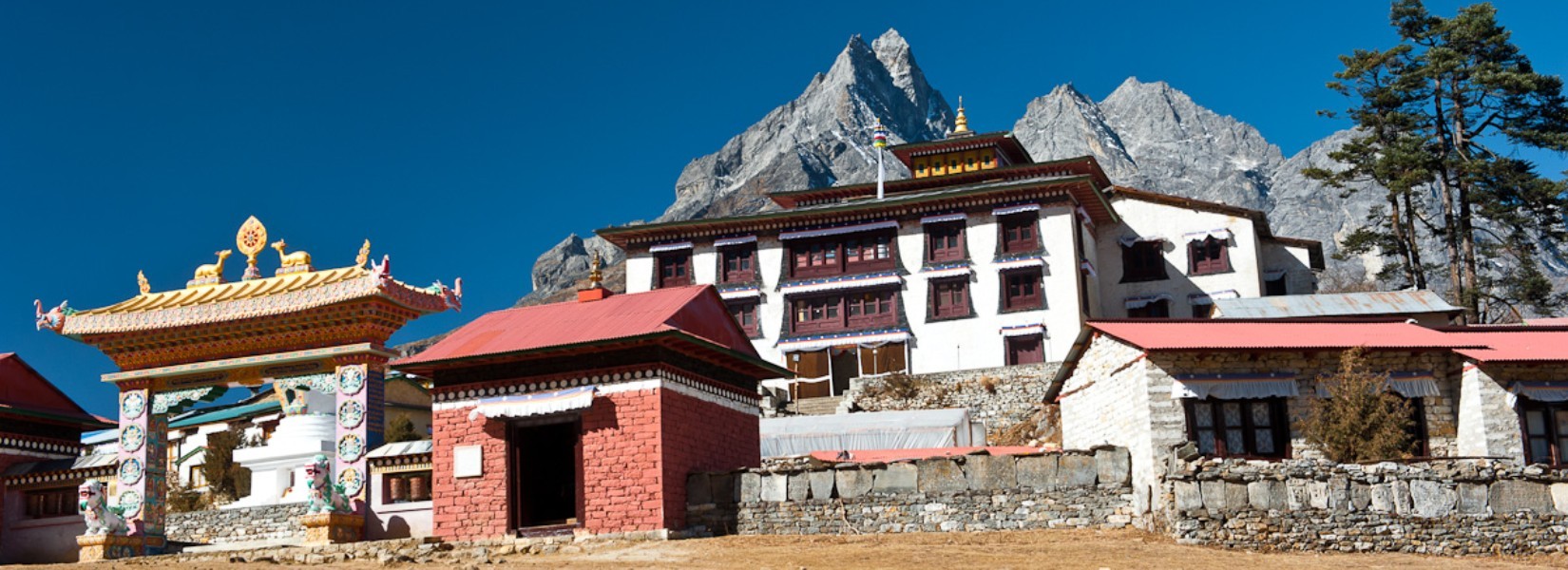
Some routes naturally incorporate both. The Upper Mustang trek, for instance, passes ancient monasteries where overnight stays can be arranged, while still utilizing teahouses for most of the journey. In the Everest region, you might stay at the famous Tengboche Monastery for a night during your trek to Everest base camp.
Practical Considerations
If you're leaning toward a monastery stay, research is essential. Not all monasteries accept guests, and those that do often require advance arrangement or introduction. Organizations like the Kopan Monastery near Kathmandu offer structured programs for foreigners, which can be an easier entry point than showing up unannounced at a remote mountain monastery.
For teahouse treks, the logistics are simpler but still require planning. Peak seasons (March-May and September-November) mean busier lodges, so starting your day's trek early gives you better choice of accommodation. During monsoon or winter, many high-altitude teahouses close, limiting route options.
Frequently Asked Questions About Monastery Stays in Nepal
Can anyone stay at a monastery in Nepal?
Not all monasteries accept guests, and those that do often have specific requirements or preferences. Some monasteries welcome travelers as part of their Buddhist tradition of hospitality, while others only accept guests who are genuinely interested in learning about Buddhism or participating in meditation retreats. It's essential to contact monasteries in advance or contact us that can arrange stays.
Do I need to be Buddhist to stay at a monastery?
No, you don't need to be Buddhist, but you should have a genuine interest in learning about the religion and culture. Monasteries appreciate guests who come with respect and curiosity rather than just seeking free or cheap accommodation. Being open-minded and willing to participate in daily routines is more important than your religious background.
How much does it cost to stay at a monastery?
Many monasteries operate on a donation basis rather than fixed fees, though some have suggested minimum contributions ranging from $10-30 per day for room and meals. Structured retreat programs may have set fees. Remember that your donation helps support the monastery's operations, the monks' education, and community projects. Be generous if you can afford it.
What should I wear at a monastery?
Dress modestly and conservatively. Cover your shoulders, chest, and legs (pants or long skirts are best). Avoid tight, revealing, or flashy clothing. Remove shoes before entering prayer halls and temple buildings. Darker, muted colors are generally more appropriate than bright patterns. Bring warm layers as mountain monasteries can be quite cold.
What will I eat at a monastery?
Monastery food is strictly vegetarian or vegan, typically consisting of rice, lentils, vegetables, and Tibetan bread. Meals are simple, filling, and served at set times. Some monasteries observe silence during meals. The food may be basic compared to what you're used to, so adjust your expectations and consider bringing supplements if you have specific dietary needs.
Can I use my phone or camera?
Many monasteries discourage or prohibit phone use to maintain the contemplative atmosphere. Photography inside temples and prayer halls is often forbidden, though you may be allowed to take photos outside with permission. Some monasteries have limited or no electricity, so charging devices may be impossible. This is an opportunity to disconnect, so embrace it.
What's the daily schedule like?
Monasteries typically wake very early (4-5 AM) for morning prayers and meditation. The day includes prayer sessions, teachings, meals, work periods (cleaning, maintenance, gardening), personal meditation time, and study. Evening prayers occur around sunset. Lights out is usually early (8-9 PM). The schedule varies by monastery, but expect structure and early mornings.
Which monasteries in Nepal accept guests?
Some well-known options include Kopan Monastery (near Kathmandu, offers structured courses), Thrangu Tara Abbey (nunnery near Kathmandu), Tengboche Monastery (Everest region, limited accommodation), Shechen Monastery (Kathmandu), Sherang Gumba, Mu Gumba and other various monasteries in the Upper Mustang region. Contact us if you want specialize in cultural exchange programs.
Do I need to book in advance?
Yes, advance booking is highly recommended and often required. Some monasteries need weeks or months of notice, especially for retreat programs. Even monasteries that accept walk-in guests appreciate advance contact so they can prepare and ensure they have space. Don't assume you can just show up.
What are the rules I need to follow?
Common rules include respecting silence periods, participating in scheduled activities, helping with chores, maintaining cleanliness, walking clockwise around stupas and prayer wheels, not pointing your feet toward Buddha images or monks, asking before taking photos, refraining from alcohol and drugs, and maintaining modest behavior. Each monastery will have specific guidelines they'll share upon arrival.
Will there be language barriers?
English proficiency varies widely. Some monasteries that regularly host international guests have English-speaking monks or staff, while remote monasteries may have limited English. Learning a few basic Nepali (To Greet say Namaste) or Tibetan phrases (To greet say Tashi delek) shows respect and helps communication. Non-verbal communication and patience go a long way.
Can I participate in meditation and teachings?
Most monasteries that accept guests welcome or even expect participation in certain activities, though the level of involvement varies. Some offer formal meditation instruction and Buddhist teachings, while others simply allow you to observe. Express your interest when booking, and don't be shy about asking questions during appropriate times.
What should I bring with me?
Essentials include modest clothing, warm layers (monasteries are often cold), a sleeping bag or warm blankets, toiletries, any medications you need, a flashlight or headlamp, toilet paper, a water bottle, and perhaps a small gift for the monastery (books, tea, or a cash donation). Leave valuables behind.
How long should I stay?
This depends on your goals and the monastery's preferences. Some monasteries have minimum stays of 3-7 days, while others accept guests for just a night or two. Longer stays (1-2 weeks or more) allow for deeper immersion and are often more transformative. Structured retreat programs typically run for specific durations, from a weekend to several months.
Conclusion
Nepal's mountains hold enough magic for countless visits, and both monastery stays and teahouse treks offer legitimate paths into that magic. Monastery stays invite you to pause, look inward, and connect with an ancient spiritual tradition. Teahouse treks propel you forward through some of Earth's most spectacular landscapes while connecting you with a global community of mountain lovers.
Rather than asking which is better, perhaps the question is: which serves your journey right now? Are you seeking transformation or adventure, stillness or movement, solitude or community? Nepal generously offers all of these, and the mountains will be there waiting, whichever path you choose.

Rupak Parajuli
Send an Enquiry
Plan your trip to Nepal
Customize your trip with help from a local travel specialist.