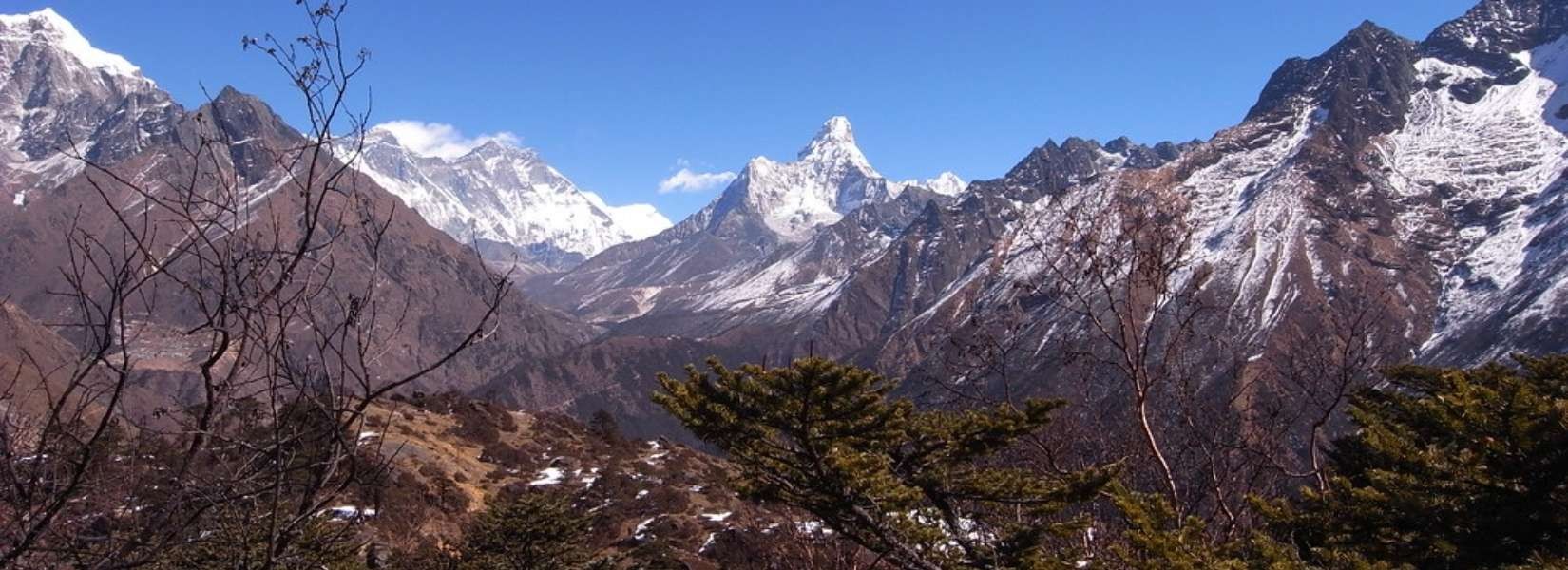
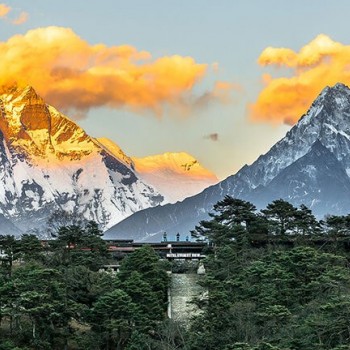
January in Nepal is a season of crisp, crystal-clear skies and serene, snow-dusted landscapes. While it is the heart of winter, it is a hidden gem month for travelers who prefer tranquility over crowds. With the monsoon haze long gone, the mountain views are arguably at their sharpest, and the lowlands offer a mild, spring-like escape.
Whether you are looking for a quiet Himalayan trek, a deep dive into ancient Newari culture, or a jungle safari under a gentle sun, January provides a unique, contemplative perspective of this mountain kingdom.
Weather & Climate Across Nepal
January is the coldest month in Nepal, but the weather varies dramatically depending on your elevation. The key feature of this month is dryness; rainfall is rare, ensuring deep blue skies for photography.
Terai: Expect thick morning fog that usually clears by midday. It’s the most comfortable region for those avoiding the bite of winter.
Kathmandu & Pokhara: Daytime is surprisingly pleasant under the sun, but temperatures drop rapidly after sunset. Houses and teahouses often lack central heating, so evenings feel brisk.
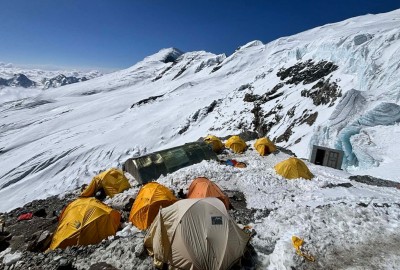
High Altitude: Above 3,000m, expect sub-zero temperatures. High passes (like Larkya La) may be closed due to heavy snow.
| Region | Typical Conditions | Avg. Temp (High/Low) |
| Terai Plains (Chitwan, Lumbini) | Mild days, foggy mornings | 24°C / $8°C |
| Mid-Hills (Kathmandu, Pokhara) | Sunny days, chilly nights | 18°C / $2°C |
| High Himalayas (Namche, Manang) | Deep snow, freezing nights | 4°C / -15°C |
Best Things to Do & Places to Visit
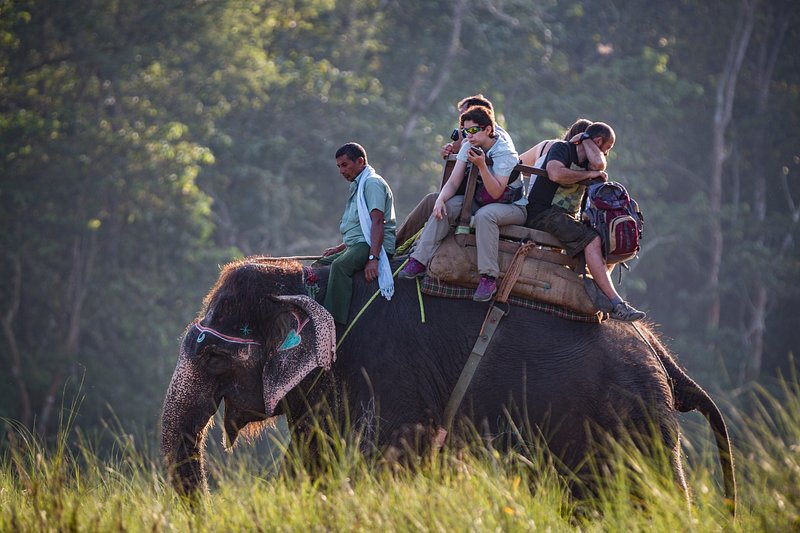
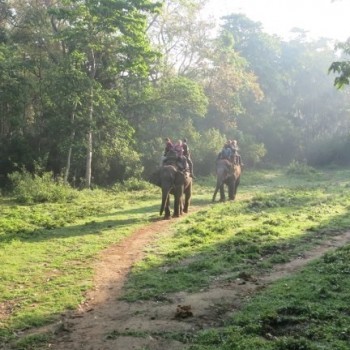
While the mountains are freezing, the southern jungles are temperate. January is excellent for wildlife spotting because the tall elephant grass is often cut back, increasing your chances of seeing the One-horned Rhino, Bengal tigers, and various migratory birds.

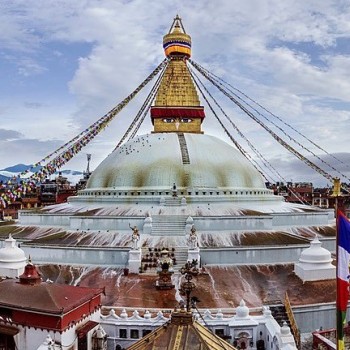
Explore the UNESCO World Heritage sites of Kathmandu, Bhaktapur, and Patan without the autumn tourist swarms. The ancient brick architecture and golden temples look stunning in the sharp winter light.

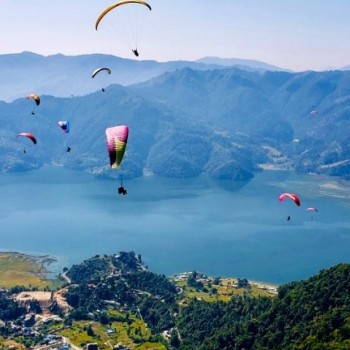
The lakeside city of Pokhara is slightly warmer than Kathmandu. It serves as a perfect base for paragliding (which remains open) or taking a boat ride on Phewa Lake, where the reflection of the Annapurna range is perfectly still and clear.
Short Trekking in Nepal
Trekking in January is all about staying below the "snow line" (usually under 4,000m) to ensure open trails and operational teahouses.

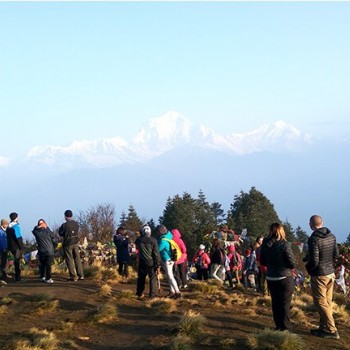
The classic winter trek. It reaches 3,210m and offers one of the world's best sunrise views over Dhaulagiri and Annapurna.

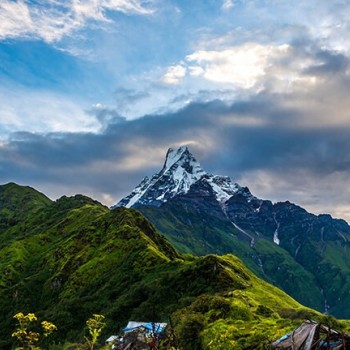
A shorter, ridge-line trek that gets you incredibly close to Machhapuchhre (Fishtail) mountain. It’s less crowded and provides spectacular snowy vistas.

If you want to see Everest without the grueling 12-day trek, fly to Lukla and trek to Namche Bazaar and Tengboche. You’ll get clear views of the peak while staying at manageable altitudes.
Winter Trekking Safety
Gear: A 4-season sleeping bag is non-negotiable, as teahouse rooms are unheated.
Footwear: Bring micro-spikes or crampons for icy patches on the trail.
Hydration: Drink plenty of water; the dry air and cold can lead to dehydration faster than you realize.
Festivals & Cultural Events (January 2026)
January is a month of vibrant local celebrations that offer a window into Nepal’s diverse ethnic tapestry.
Maghe Sankranti (Jan 14, 2026): Marking the end of the winter solstice, Nepalis celebrate by taking holy dips in rivers and eating special foods like Chaku (molasses), ghee, and sesame laddoos.
Sonam Lhosar (Jan 19, 2026): The New Year of the Tamang community. Head to Swayambhunath or Boudhanath in Kathmandu to see traditional masked dances and monks in ritual prayer.
Swasthani Brata Katha: A month-long festival (starting early Jan) where Hindu devotees perform daily rituals and recitations of goddess Swasthani's miracles.
Also Read: A Year of Celebrations: Kathmandu Valley's Major Festivals
Travel Tips & Practical Advice
Winter Packing Checklist
Clothing: Use the layering system (moisture-wicking base, fleece mid-layer, down jacket outer).
Accessories: Woolen beanie, thermal gloves, and a buff/neck-gaiter.
Health: Lip balm and high-SPF sunscreen are vital; the winter sun at high altitudes is incredibly strong.
Practical Insights
Early Sunsets: The sun sets around 5:30 PM. Plan your hikes to finish by 4:00 PM to avoid the rapid temperature drop.
Power & Hot Water: While "load shedding" is mostly a thing of the past, hot water in teahouses may be limited or come at an extra cost in winter.
Photography: Cold weather drains batteries quickly. Keep your camera batteries in an inner pocket close to your body heat.
Conclusion
Traveling to Nepal in January requires a bit more preparation for the cold, but the rewards are immense. You’ll experience the Himalayas at their most majestic, enjoy cheaper "off-season" rates, and witness authentic festivals that aren't staged for tourists. It is the perfect time for the mindful traveler to find solitude among the world's highest peaks.
Would you like me to draft a 7-day winter itinerary for your trip to Nepal? Contact us!