If you're planning your first serious trek in Nepal, you've likely stumbled upon the Manaslu Circuit Trek—a stunning, remote route that circles the world's eighth-highest mountain. But here's the question keeping many first-time trekkers awake at night: Can beginners actually do this trek?
As someone who's guided dozens of first-timers through the Himalayas and written extensively about Nepal's trekking routes, I'm going to give you an honest, detailed answer. No sugarcoating, no gatekeeping—just practical information to help you decide if the Manaslu Circuit is right for you.
What Is the Manaslu Circuit Trek?
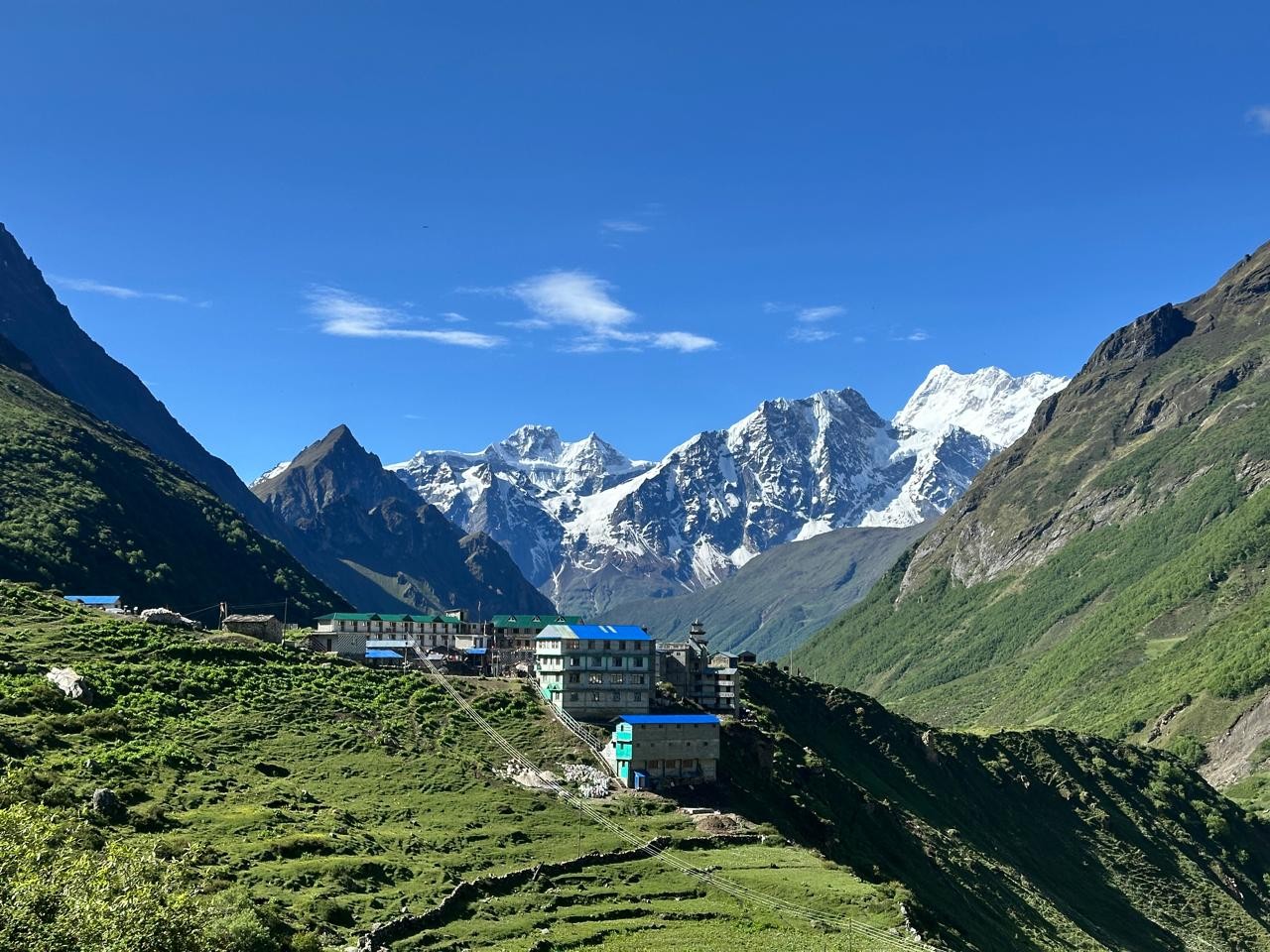
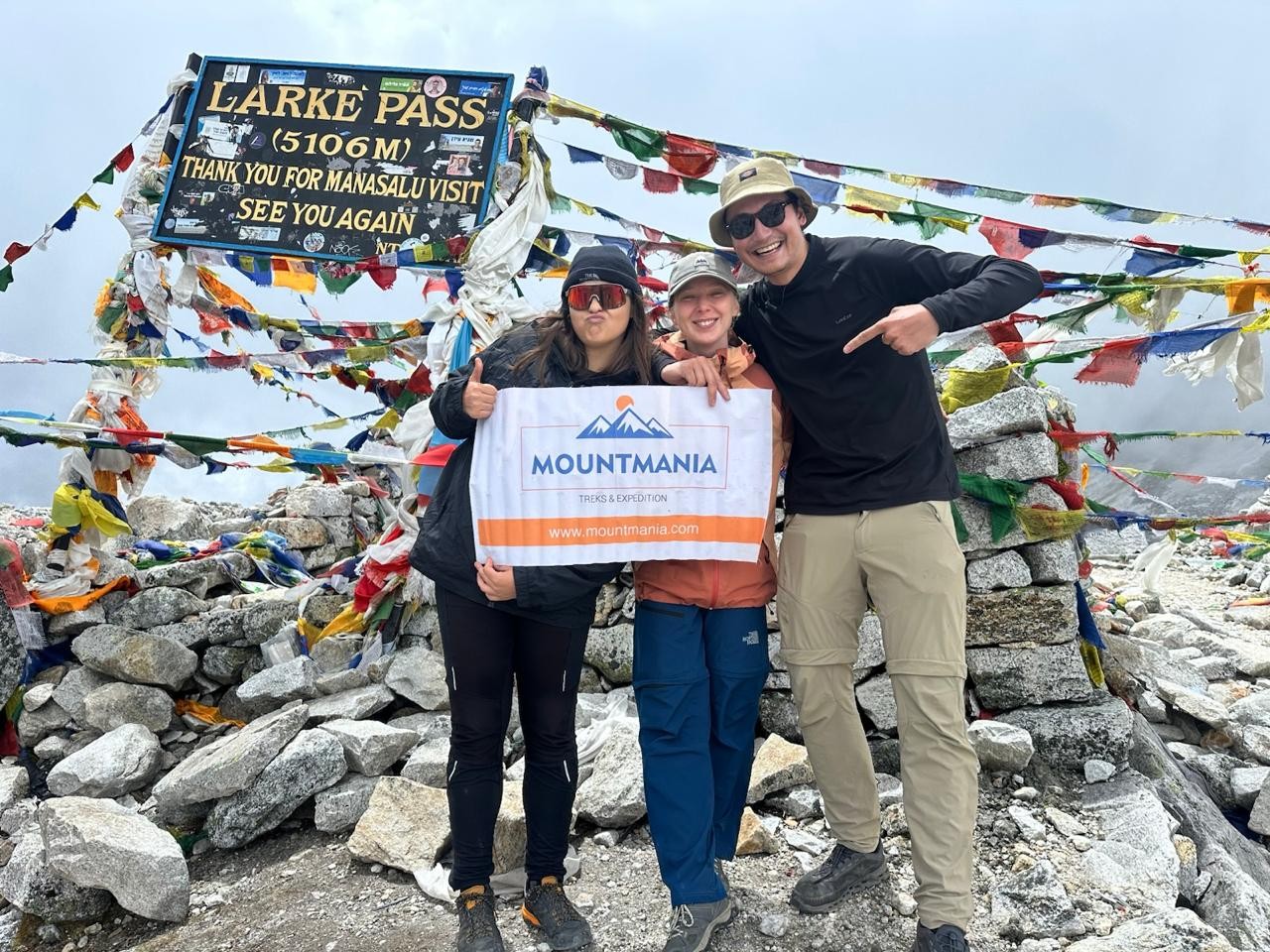
The Manaslu Circuit is a 177-kilometer loop around Mount Manaslu (8,163m), taking you through traditional Gurung and Tibetan Buddhist villages, crossing high suspension bridges, traversing glacial valleys, and culminating at the Larkya La Pass at 5,160 meters. The trek typically takes 12 to 16 days, depending on your itinerary and acclimatization needs.
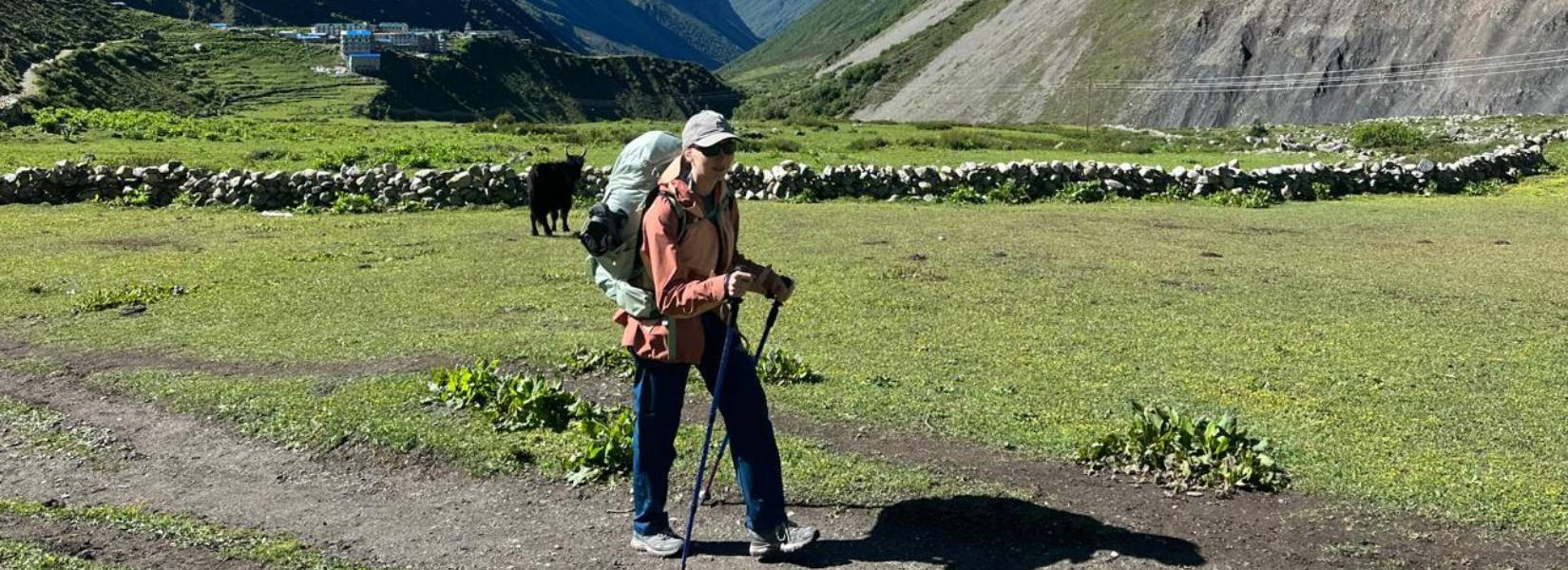
What makes this trek special? It's Nepal's best-kept secret for now. While Everest Base Camp and Annapurna Circuit see thousands of trekkers each season, Manaslu remains beautifully uncrowded. You'll experience authentic village life, sleep in family-run teahouses, and walk trails where yak caravans still outnumber tourists. The cultural richness rivals the mountain scenery—monasteries with spinning prayer wheels, stone chortens lining paths, and locals who still practice traditional lifestyles.
Why Manaslu Is Growing in Popularity
The Manaslu Circuit has surged in popularity over the past five years, and for good reason. Trekkers are seeking alternatives to the crowded trails of Annapurna and Everest. The Manaslu region offers similar dramatic landscapes and cultural experiences but with a fraction of the foot traffic. You'll still get teahouse accommodation, established trails, and stunning mountain views—without feeling like you're in a queue.
Additionally, the trek provides an excellent "middle ground" experience: more remote and adventurous than Annapurna, but more accessible and developed than truly off-the-beaten-path routes like Kanchenjunga or Dolpo.
What Does "Beginner" Mean in Trekking?
Before we dive into whether you can do this trek, let's clarify what "beginner" actually means.
Beginner trekkers are people who have limited or no experience with multi-day mountain treks. You might have done day hikes in your home country, walked coastal trails, or completed shorter treks at lower altitudes, but you haven't spent weeks walking in the mountains or dealt with high-altitude conditions.
Physical fitness vs technical skills: Here's the good news—the Manaslu Circuit requires zero technical mountaineering skills. You won't be rock climbing, using ropes, or needing crampons under normal conditions. It's a walking trek, plain and simple. However, "walking" at altitude for 6-8 hours daily with elevation gain is vastly different from a weekend hike.
Is Manaslu Circuit Suitable for Beginners? The Honest Answer
Yes, with important conditions.
The Manaslu Circuit is suitable for fit, determined beginners who are willing to prepare properly, respect the altitude, and follow a sensible itinerary. It's not a casual walk, but it's absolutely achievable for first-timers who approach it with the right mindset.
Who can do it:
- People with good basic fitness who can walk 5-7 hours at a moderate pace
- First-time trekkers willing to train for 2-3 months beforehand
- Those comfortable with basic accommodation and simple food
- People who can remain patient and flexible with plans
- Anyone who will trek with a guide and follow acclimatization protocols
Who should reconsider:
- People with serious pre-existing heart or lung conditions
- Those unable or unwilling to train beforehand
- Individuals who need luxury amenities and predictable schedules
- Anyone expecting a "vacation" rather than an adventure
- First-timers choosing rushed 10-day or shorter itineraries
Key Challenges Beginners Should Know
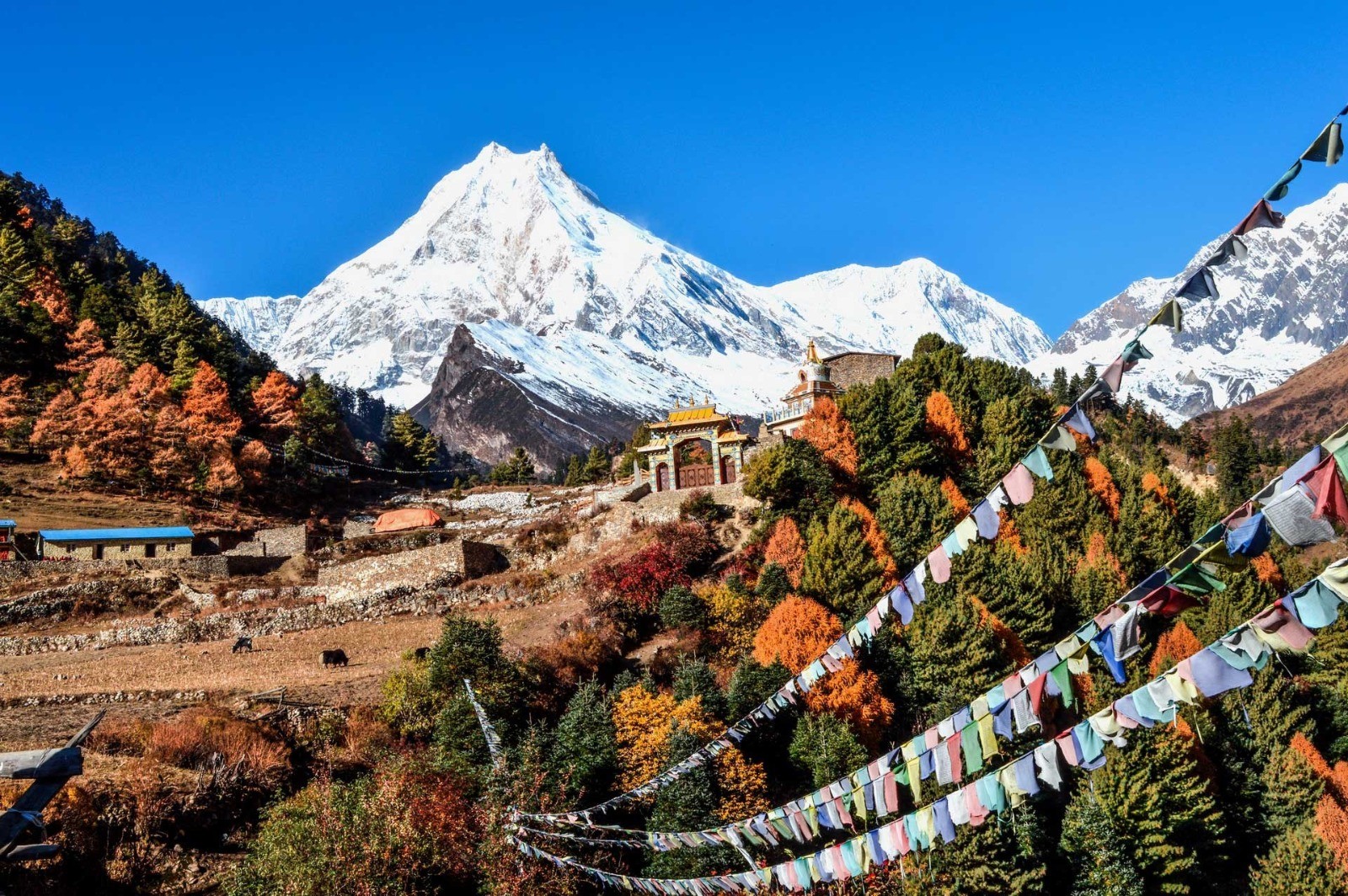
Let me be straight with you about what makes this trek demanding.
Altitude and Larkya La Pass
The biggest challenge is altitude. You'll sleep at 3,500+ meters for several nights and cross Larkya La Pass at 5,160 meters. At this elevation, there's roughly 50% of the oxygen available at sea level. Your body needs time to adapt, and even fit athletes can struggle if they ascend too quickly.
Altitude doesn't discriminate. I've seen marathon runners suffer from altitude sickness while casual hikers breeze through. The key is proper acclimatization, not fitness alone.
Trek Duration and Daily Walking
Most days involve 5-7 hours of walking, with some longer days reaching 8-9 hours. The terrain includes steep ascents, rocky descents, suspension bridge crossings, and occasional snow or ice depending on season. Your legs will be tested, especially in the first few days when your body is adjusting to constant uphill grades with a daypack.
Remote Trail and Limited Facilities
This isn't Annapurna with its bakeries and WiFi hotspots every hour. Teahouses are basic—think shared bathrooms, cold showers (or no showers), and simple dal bhat meals. After Samagaon, facilities become even more rudimentary. There are no rescue helicopters stationed nearby, and evacuation can take time to arrange.
For first-timers used to Western comforts, this can be mentally challenging. But it's also what makes the trek authentic.
Weather and Seasonal Risks
Mountain weather is unpredictable. Even during prime seasons, snowfall can occur at Larkya La Pass, closing the route temporarily. I've seen groups stuck for 2-3 days waiting for conditions to improve. Flexibility is essential.
Why Beginners Still Choose Manaslu Circuit
Despite the challenges, thousands of first-time trekkers successfully complete this trek each year. Here's why they're drawn to it:
Less crowded trails: You'll encounter far fewer trekkers than on mainstream routes. This means quieter trails, more meaningful interactions with locals, and a genuine sense of wilderness.
Cultural richness: The villages of Lho, Samagaon, and Samdo offer incredible cultural experiences. You'll visit ancient monasteries, witness traditional Buddhist ceremonies, and stay with families who've lived in these mountains for generations. The Tibetan cultural influence is strong and fascinating.
Scenic diversity: The landscape changes dramatically. You start in subtropical forests with terraced fields, progress through pine and rhododendron forests, emerge into stark alpine terrain, and finally reach glacial valleys surrounded by towering peaks. Every day brings new vistas.
Teahouse trekking experience: Unlike camping treks, the teahouse experience is social and comfortable. You'll meet fellow trekkers, share stories over meals, and sleep in beds (albeit simple ones) rather than tents. For beginners, this infrastructure makes the trek significantly more manageable.
Physical Preparation for First-Time Trekkers
If you're serious about doing this trek, training is non-negotiable.
Fitness Level Required
You need to comfortably walk for 6-7 hours with elevation gain while carrying a light daypack (5-7kg). If you can hike 12-15 kilometers with 800-1,000 meters of elevation gain without complete exhaustion, you're in the right ballpark.
Training Plan
Start training 8-12 weeks before your trek:
Cardiovascular endurance: Walk or hike 3-4 times weekly, gradually increasing duration. Include hills or stairs. Aim to build up to 4-5 hour hikes with 500+ meters of elevation gain by month two.
Strength training: Focus on legs, core, and back. Squats, lunges, step-ups, and planks twice weekly will prepare your body for the physical demands.
Back-to-back days: Practice walking on consecutive days to simulate trek conditions where you're walking day after day without full recovery.
Weighted pack training: Walk with a loaded backpack (5-8kg) for at least the final month of training.
Mental Preparation
Mental toughness matters as much as fitness. You'll have hard days—cold mornings, sore muscles, altitude headaches. Prepare yourself mentally for discomfort. Practice staying positive when things don't go as planned. The trek rewards those who can embrace challenges with patience and humor.
Altitude Safety and Acclimatization Tips
Altitude is the great equalizer on this trek. Here's how to stay safe:
Acclimatization days work: Your itinerary should include at least two dedicated acclimatization days—typically in Samagaon and sometimes in Namrung or Lho. On these days, you'll do short hikes to higher elevations (4,000-4,500m) before returning to sleep lower. This "climb high, sleep low" principle helps your body adapt.
Recognize altitude sickness signs: Headaches, nausea, loss of appetite, and difficulty sleeping are common mild symptoms. They're manageable if you rest, hydrate, and don't ascend further. Serious symptoms include confusion, severe breathlessness at rest, or inability to walk straight. If these occur, descend immediately.
Pace and hydration: Walk slowly—much slower than you think necessary. Drink 3-4 liters of water daily. Avoid alcohol. Listen to your guide's advice about pace and rest days.
Don't be a hero: If you feel unwell, speak up immediately. Altitude sickness can escalate quickly. There's no shame in taking an extra rest day or descending if needed.
Best Itinerary Option for Beginners
For first-time trekkers, I strongly recommend a 13-15 day itinerary (not counting drive days from Kathmandu). Here's why:
A proper beginner-friendly itinerary includes:
- Gradual altitude gain with multiple acclimatization days
- Buffer days for weather delays
- Shorter walking days in the early stages while your body adjusts
- Time to actually enjoy the villages and culture, not just rush through
Many budget operators offer 10-12 day itineraries. These are too rushed for beginners. You'll be constantly pushing your body without adequate acclimatization time, significantly increasing altitude sickness risk and reducing enjoyment.
A sample 14-day itinerary might look like this: Soti Khola to Machha Khola (Day 1), Machha Khola to Jagat (Day 2), Jagat to Deng (Day 3), Deng to Namrung (Day 4), Namrung to Lho (Day 5), Lho to Samagaon (Day 6), Acclimatization day in Samagaon (Day 7), Samagaon to Samdo (Day 8), Samdo to Dharamsala (Day 9), Dharamsala to Bimthang via Larkya La Pass (Day 10), Bimthang to Tilije (Day 11), Tilije to Tal (Day 12), Tal to Syange (Day 13), Syange to Besisahar (Day 14).
Do Beginners Need a Guide and Porter?
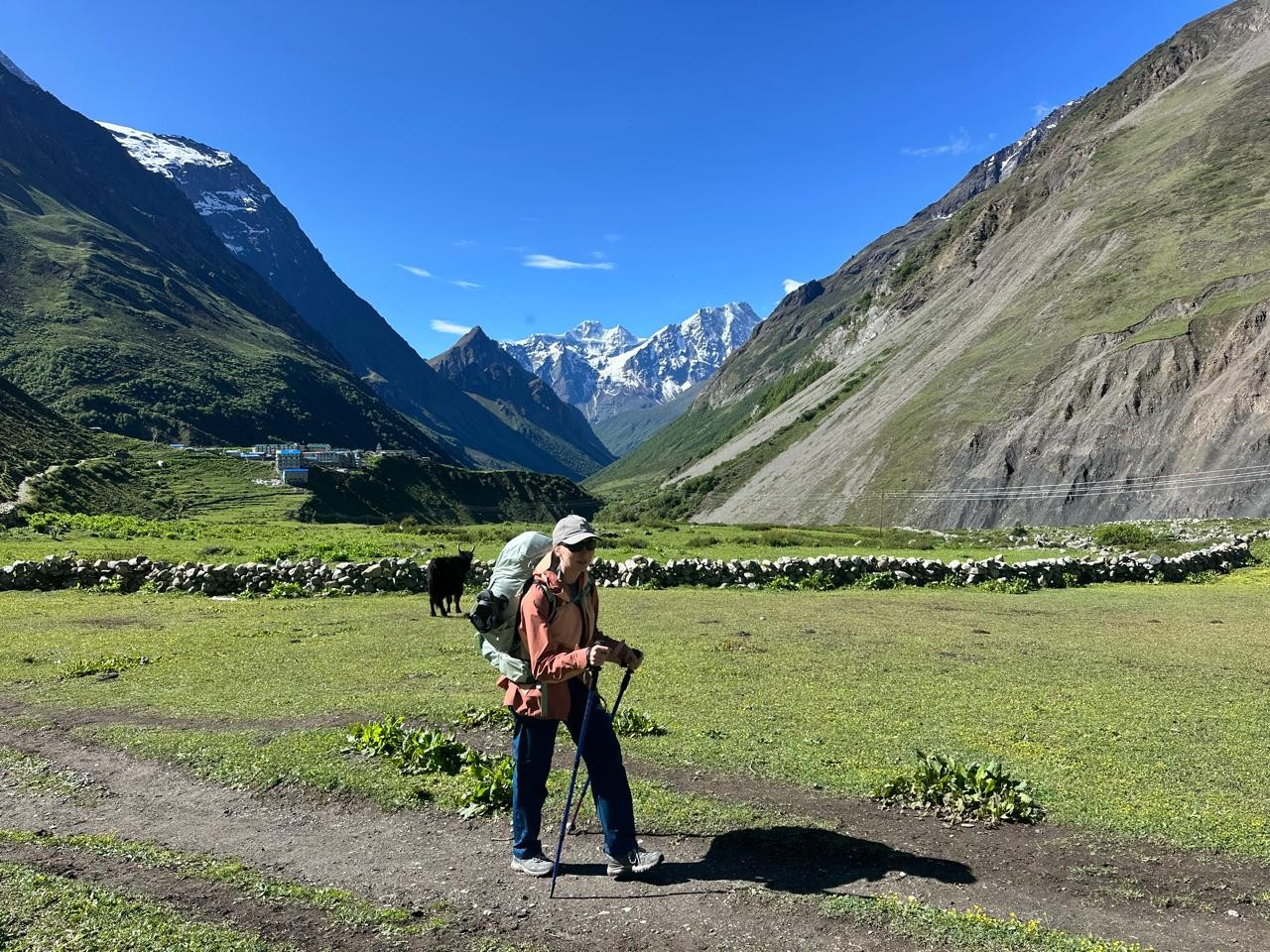
Short answer: Yes, you need a guide. A porter is highly recommended.
The Manaslu region is a restricted area requiring a special permit, and regulations mandate that trekkers travel with a registered guide. You cannot trek independently here, which actually works in beginners' favor.
Benefits of guides for first-timers:
- They navigate the trail, handle teahouse bookings, and manage permits
- They monitor your health and recognize altitude sickness symptoms
- They facilitate cultural interactions and provide insights
- They make decisions about pace, rest days, and safety
- They handle logistics if emergencies arise
How porters help: Carrying your own full backpack (12-15kg) at altitude is exhausting and increases altitude sickness risk. Porters carry your main bag while you walk with just a daypack containing water, snacks, and layers. This makes a huge difference in your stamina and enjoyment. It also provides employment to local communities.
Think of the guide and porter as your support team, not a luxury. They're essential for a safe, successful first trek.
Also Read: Hire Guide and Porter for Manaslu Trek
Best Season for Beginner Trekkers
The Manaslu Circuit has two main trekking seasons:
Spring (March to May): Temperatures are milder, trails are less icy, and rhododendrons bloom at lower elevations. The weather is generally stable, though afternoon clouds can obscure mountain views. Spring is excellent for beginners because conditions are more forgiving.
Autumn (September to November): Crystal-clear skies provide the best mountain visibility. Weather is stable and dry. This is peak season, meaning more trekkers (though still far fewer than Annapurna or Everest) and higher teahouse demand. Mornings are cold, with temperatures dropping significantly at higher elevations.
For first-timers, both seasons work well. Spring offers slightly warmer conditions, while autumn provides better views. Avoid monsoon (June-August) and winter (December-February) unless you're prepared for significant challenges.
For more info: Best Time to Trek the Manaslu Circuit Trek
Packing Tips for Beginners
Beginners tend to either overpack or forget essentials. Here's what matters:
Essential gear:
- Quality hiking boots (broken in before the trek)
- Warm sleeping bag rated to -10°C
- Down jacket for high elevations
- Waterproof jacket and pants
- Base layers and trekking pants
- Warm hat, sun hat, gloves, and buff
- Trekking poles (essential for descents and Larkya La)
- Headlamp with extra batteries
- Water purification tablets or filter
- Basic first aid kit including altitude sickness medication (discuss with your doctor)
- Sunscreen and sunglasses (UV protection is critical)
Common beginner mistakes:
- Bringing too many clothes (you'll wear the same things repeatedly)
- New, unbroken boots (recipe for blisters)
- Heavy items like books or excessive electronics
- Forgetting that teahouses have charging facilities (bring a power bank as backup)
Pack light. Your porter typically carries up to 15kg, but keeping your main bag around 10kg makes logistics easier.
Read more: The Ultimate Packing List for the Manaslu Circuit Trek
Cost Expectations
Budget realistically to avoid cutting corners on safety.
Approximate costs for a 14-day trek:
- Organized package (guide, porter, permits, accommodation, meals): $1,200-$1,800 USD
- Independent booking (you arrange guide, permits separately): $900-$1,400 USD
What's typically included:
- Manaslu Restricted Area Permit and TIMS card
- Teahouse accommodation during trek
- Three meals daily during trek
- Guide and porter wages and insurance
- Transportation from Kathmandu to trailhead and back
What's excluded:
- International flights
- Nepal visa fee ($50 USD for 30 days)
- Kathmandu accommodation and meals
- Travel insurance (mandatory)
- Personal expenses, snacks, drinks
- Tips for guide and porter
- Gear rental if needed
Don't choose the cheapest operator. Quality guides, proper insurance coverage, and ethical treatment of staff matter. A slightly higher price often means better safety standards and more experienced guides.
Read More: Manaslu Circuit Trek Cost
Final Verdict: Should Beginners Do Manaslu Circuit?
Here's my honest conclusion after years of guiding in Nepal: The Manaslu Circuit is absolutely doable for beginners—but not for every beginner.
This trek is perfect for you if:
- You're willing to train seriously for 2-3 months
- You're comfortable with basic conditions and flexibility
- You respect that altitude requires patience and acclimatization
- You'll commit to a 13+ day itinerary with proper rest days
- You embrace challenge and see it as part of the adventure
Choose a different trek if:
- You want guaranteed comfort and predictability
- You have significant time constraints forcing a rushed itinerary
- You're not willing to invest time in physical preparation
- You need constant connectivity and modern amenities
For adventurous first-timers willing to prepare properly, the Manaslu Circuit offers an incredible introduction to Himalayan trekking. You'll be challenged, yes, but you'll also experience something genuinely transformative. The sense of accomplishment standing atop Larkya La Pass, surrounded by giants of ice and stone, is something no photograph or description can capture.
Thousands of first-time trekkers complete this circuit successfully each season. With proper preparation, realistic expectations, and the right support team, you can absolutely be one of them.
Ready to Take the Next Step?
If you're seriously considering the Manaslu Circuit Trek as your first Himalayan adventure, I strongly encourage you to consult with experienced local trekking companies in Nepal - Mount Mania. They can assess your fitness level, recommend suitable itineraries, and answer specific questions about your situation.
Look for operators with excellent safety records, properly insured staff, and realistic itineraries that prioritize your wellbeing over speed. Read recent reviews from other first-time trekkers who've completed the route.
The Manaslu Circuit awaits. With the right preparation and mindset, this could be the beginning of your love affair with the Himalayas. Trust the process, respect the mountains, and embrace the journey—every challenging step is worth it.
Safe travels, and may the mountains welcome you with clear skies and open hearts.