
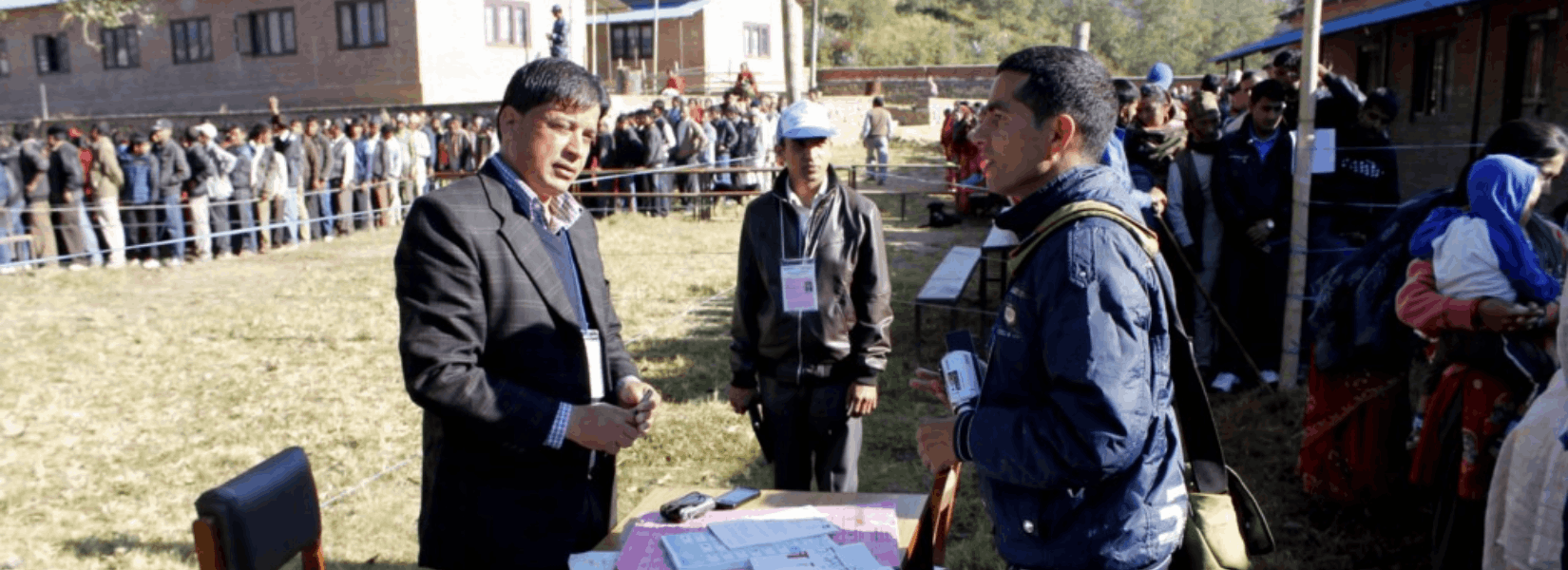
If you're planning a travel in Nepal during early March 2026, you might be wondering how the general election scheduled for March 5 will affect your travel plans. Here's what you need to know to make an informed decision.
Table of Contents
Plan your trip to Nepal
Customize your trip with help from a local travel specialist.
Yes, trekking or traveling during the first week of March is generally safe, but timing and planning are key. The safest approach is to arrive in Kathmandu a few days before March 5 and begin your trip before or immediately after election day.
Understanding Election Day in Nepal
General elections in Nepal typically bring some temporary disruptions to daily life, particularly in urban areas like Kathmandu. Here's what commonly happens:
Transportation are possible in the days surrounding the election, primarily affecting road transport in and out of the Kathmandu Valley. Domestic flights to trekking gateways like Pokhara or Lukla usually continue operating, though delays can occur.
Urban areas see more activity than remote trekking regions. Political rallies, demonstrations, and related events concentrate in cities, not mountain trails.
Trekking routes remain largely unaffected once you're out of urban centers. Popular trails like Annapurna, Langtang, Everest Base Camp, and shorter treks around the Kathmandu Valley operate normally during election periods.
Smart Planning Strategies
- Arrive Early: Get to Kathmandu at least 2-3 days before March 5. This gives you buffer time to start your trek before any potential transportation disruptions.
- Start Your Trek Before Election Day: Ideally, begin trekking on March 3 or 4. Once you're on the trail, elections have minimal impact on your experience.
- Consider Domestic Flights: If your trek requires travel to Pokhara or other gateway cities, book domestic flights rather than relying on tourist buses, which are more vulnerable to strike-related delays.
- Choose Closer Trailheads: If you're concerned about transportation, consider treks that start closer to Kathmandu, like Langtang Valley, Helambu, or Kathmandu Valley rim treks (Nagarkot, Chisapani, Shivapuri).
- Book Accommodations: Have your Kathmandu hotel booked for before and after your trek to avoid any last-minute issues.
What to Expect on the Trek Route?
The good news is that Nepal's trekking routes operate independently of political events in the cities. Here's why:
- Teahouses and lodges along popular routes remain open and welcoming
- Trail communities go about their daily business as usual
- Trekking permits are processed normally (get yours before leaving Kathmandu)
- Mountain weather and trail conditions are your primary concerns, not politics
Sample Outline Itinerary for March 5 General Election
Here's how a well-planned March trek might look:
- March 1-2: Arrive in Kathmandu, rest, and acclimatize
- March 3: Obtain permits, do final shopping
- March 4: Travel to your trailhead (Pokhara, Syabrubesi, etc.)
- March 5-14: Trek while election activities occur in distant cities
- March 15+: Return to Kathmandu after things have settled
Recommended Treks for Early March
7-10 Day Options:
Shorter Options (3-8 Days):
Frequently Asked Questions
Is it safe in the mountains during election time?
Yes, mountain regions are very safe during elections. Political activities are concentrated in urban centers like Kathmandu, Pokhara, and other cities. Remote trekking areas remain peaceful and unaffected. Local communities in mountain villages are focused on their daily lives and hospitality, not political events happening in distant cities.
Will teahouses and lodges be open during the election?
Absolutely. Teahouses and lodges along popular trekking routes operate normally during election periods. The trekking economy is vital to mountain communities, and they continue to welcome trekkers regardless of political events in Kathmandu.
Can I get trekking permits on election day?
Permit offices in Kathmandu may have reduced hours or be closed on March 5. It's best to obtain all necessary permits (TIMS card, national park permits, conservation area permits) at least one day before the election. If you're using a trekking agency, they typically handle this for you in advance.
What if there's a transportation strike when I need to return to Kathmandu?
Transportation strikes typically last 1-2 days and are announced in advance. Domestic flights usually continue operating, though there may be delays. If you're completing your trek around March 5-6, build in an extra day or two of buffer time before your international flight. Most strikes are peaceful and resolve quickly.
Should I cancel my trek altogether?
No need to cancel. Thousands of trekkers visit Nepal during election periods without issues. The key is smart timing - arrive early, start trekking before election day, and you'll have a normal, enjoyable experience.
Will there be any violence or danger?
Nepal's elections are generally peaceful, especially in recent years. Any political activities occur in urban areas, far from trekking routes. Violence is extremely rare and would not affect mountain regions. Exercise the same caution you would during any visit to Kathmandu.
Can I fly to Lukla or Pokhara on election day?
Domestic flights typically operate on election day, though there may be minor delays. Airlines prioritize flight schedules, especially to major tourist destinations. However, it's safer to fly a day or two before March 5 if possible.
What should I do if I'm in Kathmandu on March 5?
Stay in your hotel or guesthouse in tourist areas like Thamel, which remain safe and operational. Avoid large political gatherings or demonstrations. Use this as a rest day, organize gear, or visit nearby attractions. Restaurants and shops in tourist areas generally stay open.
How will I know if there are any strikes or disruptions?
Your hotel staff, trekking agency, or guide will keep you informed of any developments. Tourist areas are well-connected and information spreads quickly. You can also check local news sources or ask fellow travelers.
Is travel insurance necessary?
Travel insurance is always recommended for trekking in Nepal, regardless of elections. Ensure your policy covers trekking at altitude, medical emergencies, and trip disruptions. The election itself is a minor consideration compared to standard trekking risks like weather, altitude, or injury.
What if I'm on a guided trek versus solo trekking?
Both are equally safe during election time. Guided treks have the advantage of your guide's local knowledge and ability to adjust plans if needed. Solo trekkers should stay informed through their accommodation hosts and fellow trekkers, but will find the same peaceful trails.
Are ATMs and money exchange services affected?
ATMs in tourist areas generally work normally, though it's wise to withdraw sufficient cash before March 5 in case of any temporary disruptions. Money exchange services in Thamel typically remain open. Always carry enough Nepali rupees for your trek before leaving Kathmandu.
Final Recommendations
Trekking during Nepal's election period is safe and feasible with proper planning. The key is to position yourself on the trail rather than in urban areas during election day itself.
Monitor local news as your travel date approaches, stay flexible with your itinerary, and maintain communication with your trekking agency or hotel. Most importantly, once you're in the mountains, you'll find the same warm hospitality and stunning landscapes that make Nepal a world-class trekking destination, regardless of what's happening in Kathmandu's political sphere.
The mountains don't vote—they just wait for you to explore them.

Rupak Parajuli
Send an Enquiry
Plan your trip to Nepal
Customize your trip with help from a local travel specialist.